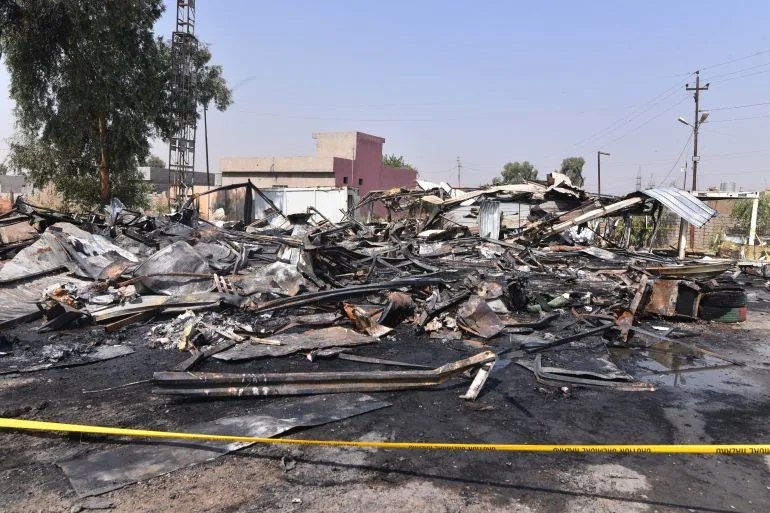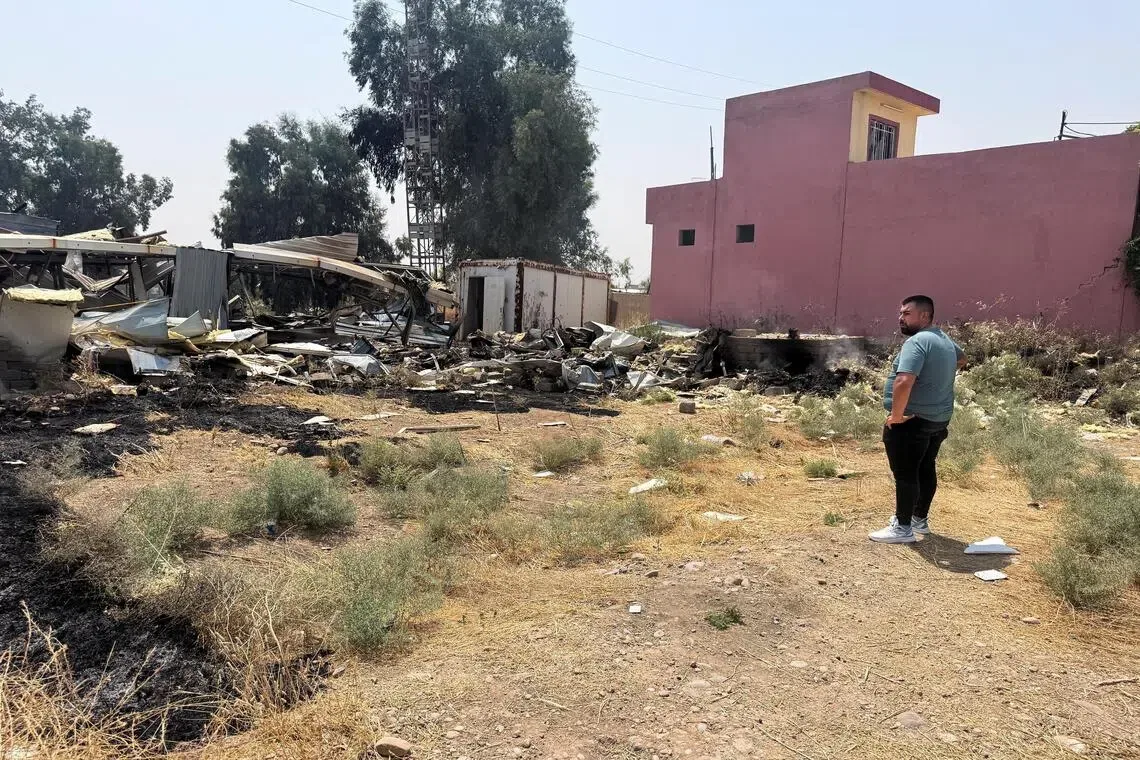
US and Saudi forces carried out joint airstrikes on July 29 targeting Iran-backed militants across seven Iraqi provinces, killing at least 20 militants including Iranian advisers. The strikes hit multiple sites linked to Iran-aligned armed groups, with US Central Command stating the operations targeted logistics and weapons facilities tied to recent attacks on US troops and Saudi energy infrastructure [1, 2, 3, 4].
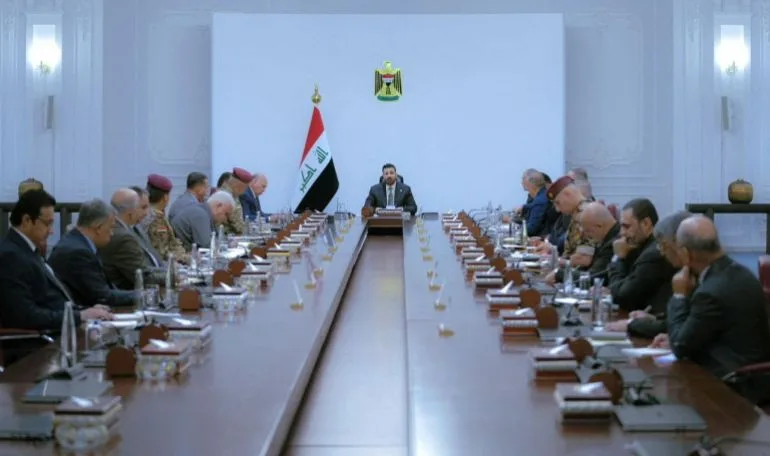
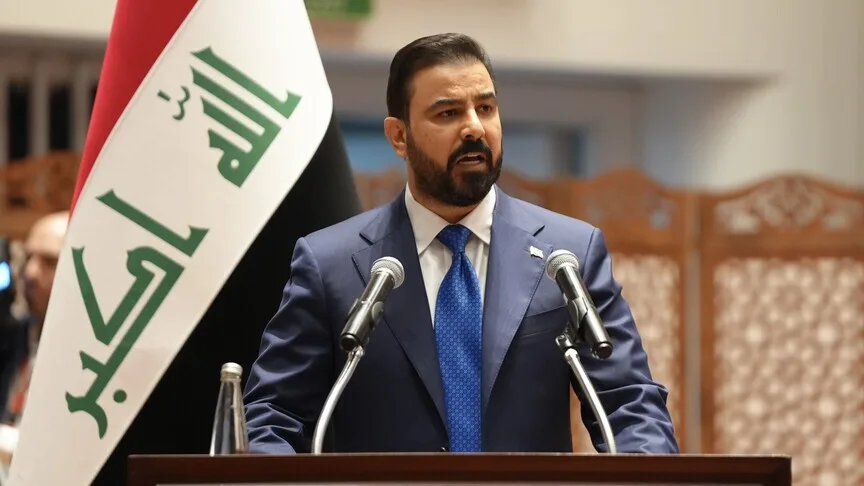
Iraq's government denied prior knowledge or approval of the strikes. Government spokesman Haider al-Aboudi said, "The government did not have any knowledge of the strikes and did not approve any attacks on specific sites or groups in Iraq" [1]. Following the strikes, Iraqi Prime Minister Ali al-Zaidi convened an emergency National Security Council meeting on July 29, which condemned the strikes as a "flagrant violation of Iraq’s sovereignty and international law" [2, 3, 4]. The council warned that any compromise of Iraq's security would not be tolerated, stating on social media, "Any transgression or compromise of Iraq’s security and sovereignty will not be tolerated under any circumstances" [2].
Saudi Arabia justified the strikes as retaliation for more than 30 drone attacks allegedly launched from Iraqi territory by Iran-backed groups against its petroleum facilities in the prior 72 hours [1, 2, 4]. The Popular Mobilization Forces (PMF), Iran-backed militia groups targeted in the strikes, denied responsibility for the attacks on Saudi Arabia. The PMF called Saudi claims fabrications and warned that "any foolish Saudi action will be met with a harsh response" [1, 2].
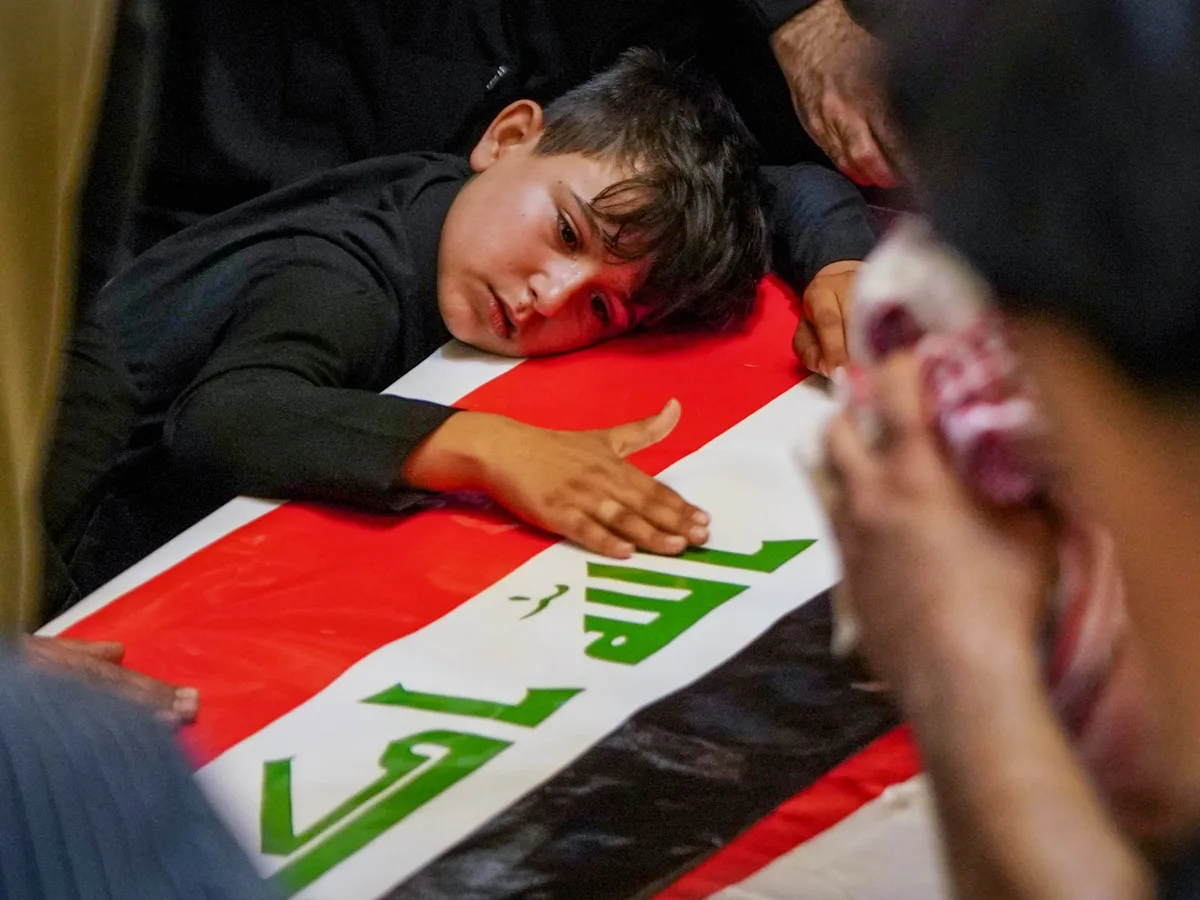
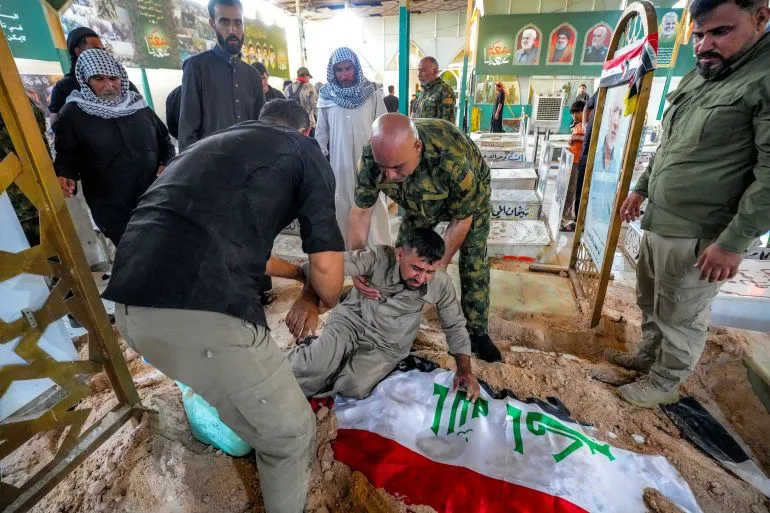
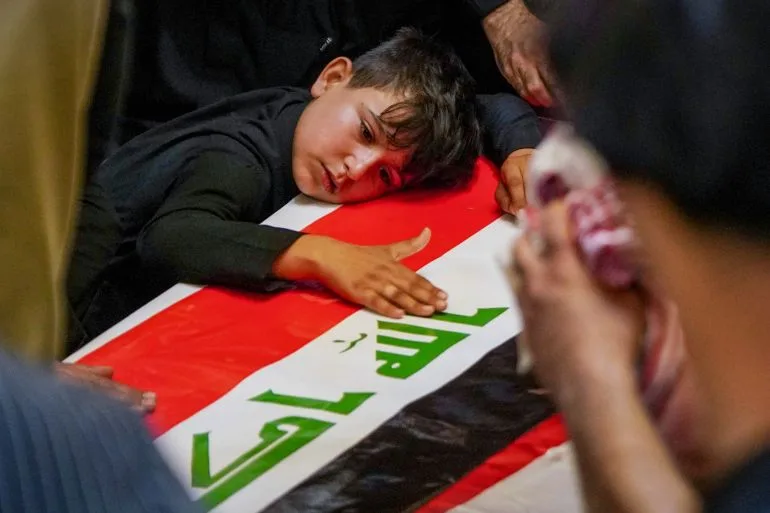
Casualty reports indicated at least 20 militants killed, including at least four or five Iranian Revolutionary Guard advisers according to differing sources [1, 2]. Another 32 PMF members were injured [4]. The strikes triggered public outrage in Iraq, with PMF supporters holding funerals and demanding the expulsion of the Saudi ambassador [2].
Prime Minister al-Zaidi postponed his planned July 30–31 visit to Saudi Arabia following the strikes [1, 2, 4]. Iraq also demanded concrete evidence from the US and Saudi sides that attacks had been launched from its territory, saying no proof had been provided [2].
The situation remains tense after the strikes, with Iraq rejecting unilateral military actions on its soil and Saudi-US forces stressing counterattacks against Iran-aligned threats. Iraqi authorities continue consultations after the emergency council meeting.