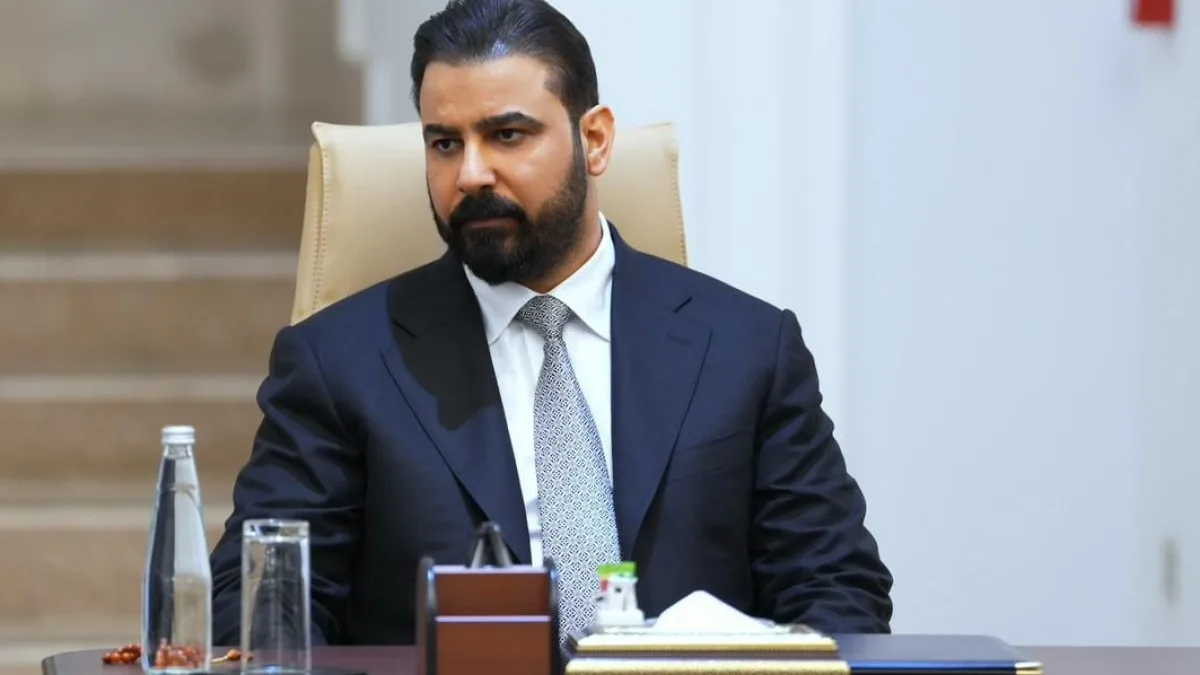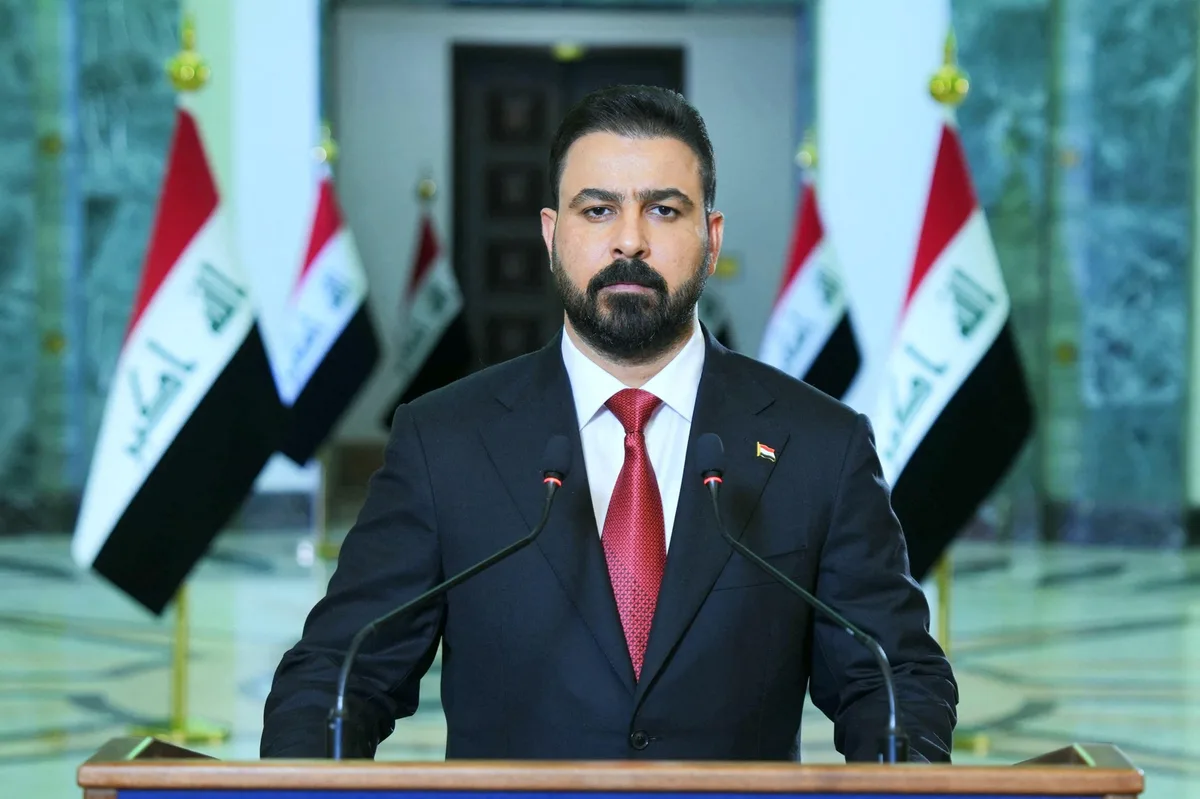
Iraq’s parliament gave confidence votes to 14 ministers in Prime Minister Ali al-Zaidi’s cabinet on May 14, 2026, allowing the government to officially begin work despite nine key posts remaining vacant [1, 2, 3, 4]. The partial cabinet win followed months of deadlock. Al-Zaidi, Iraq’s youngest prime minister at age 40, was sworn in the same day, succeeding Mohammed Shia al-Sudani [1, 2, 4].
President Nizar Amidi named al-Zaidi prime minister-designate on April 27 and tasked him with forming a government backed by the Coordination Framework, Iraq’s largest parliamentary bloc [1, 3, 4]. The nine unfilled ministries include critical positions such as interior and defence, where parliamentary consensus has not yet been reached [1, 5, 3, 4].
New oil minister Basim Mohammed joined the cabinet, while Fuad Hussein was retained as foreign minister in the lineup approved by parliament [1]. The ministers and al-Zaidi took the constitutional oath on May 14 and formally assumed their offices that day [1, 2, 4]. Al-Zaidi officially took prime minister duties in Baghdad at a handover ceremony on May 16 [4].
Speaking on May 15, al-Zaidi pledged reforms aimed at "reinforcing the state’s monopoly on arms, strengthening security forces, and restoring public confidence in democracy" [3]. The prime minister presented his government program to parliament but has not made the details public [1].
Parliament’s approval of just over half the expected 23 ministers allows the new government to function, though continued negotiations are needed to fill the remaining key cabinet positions.