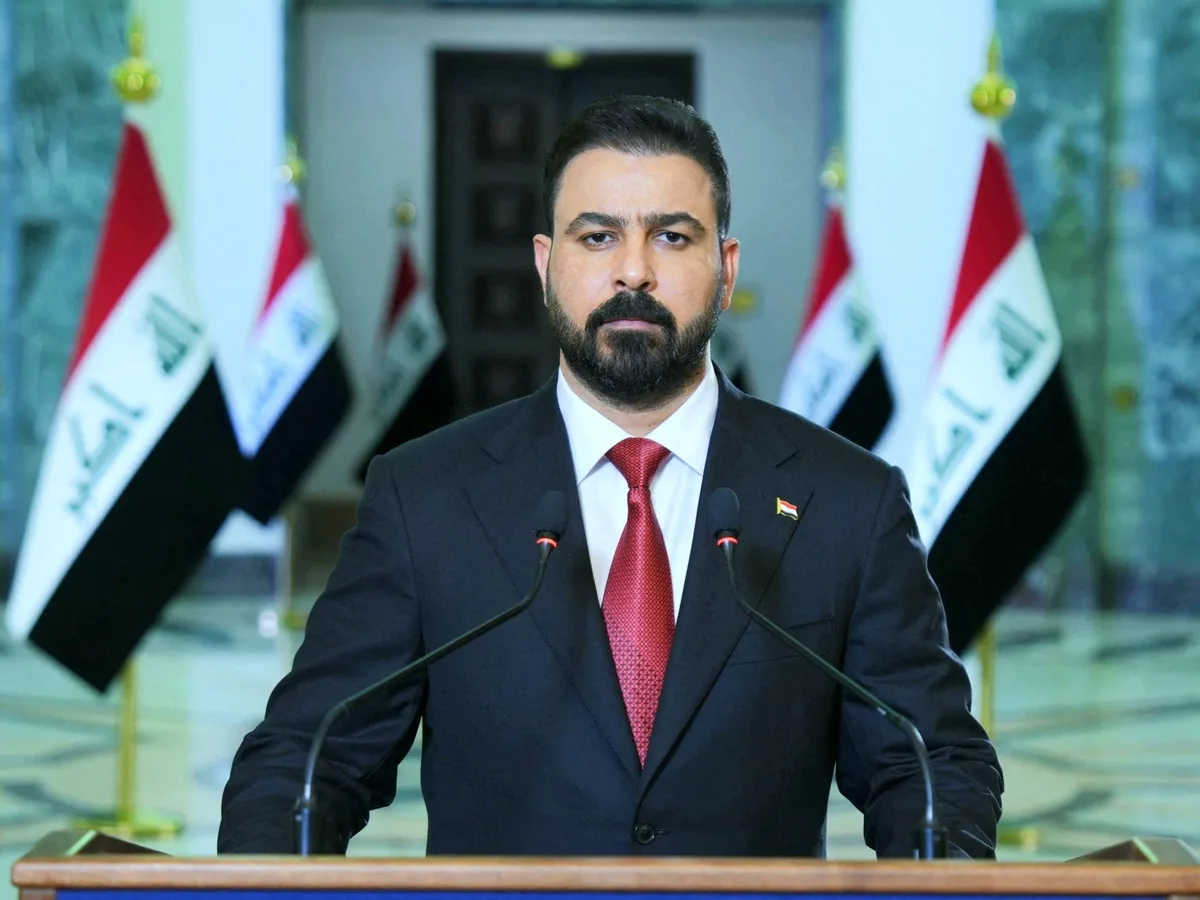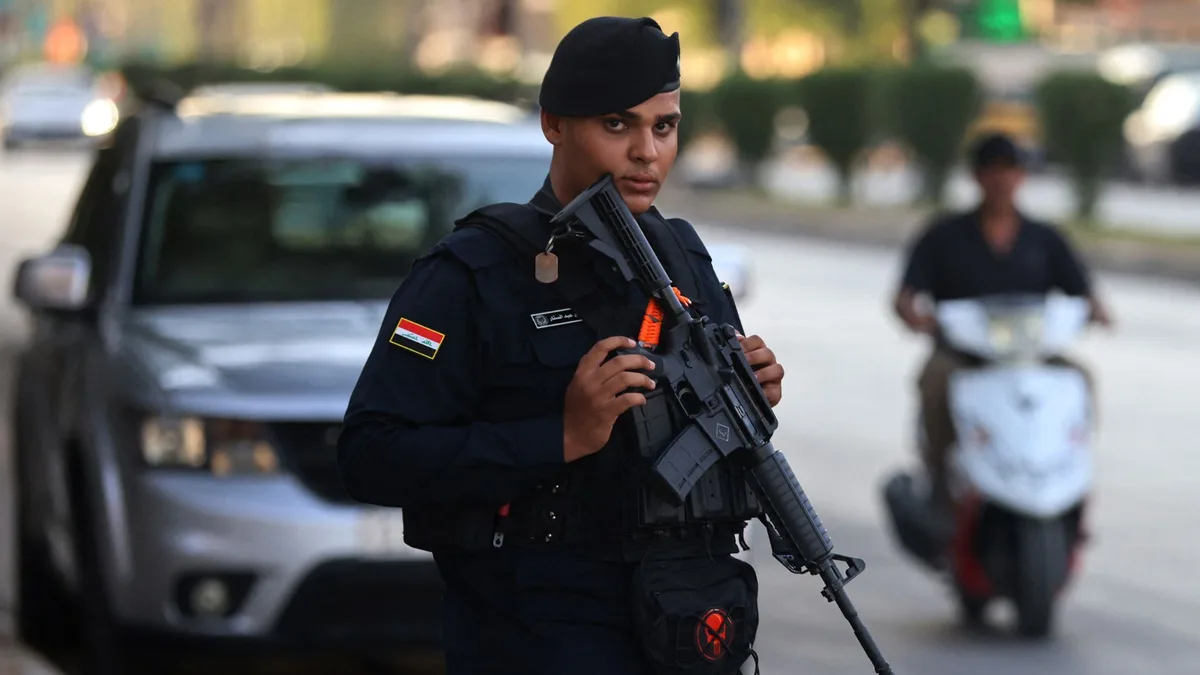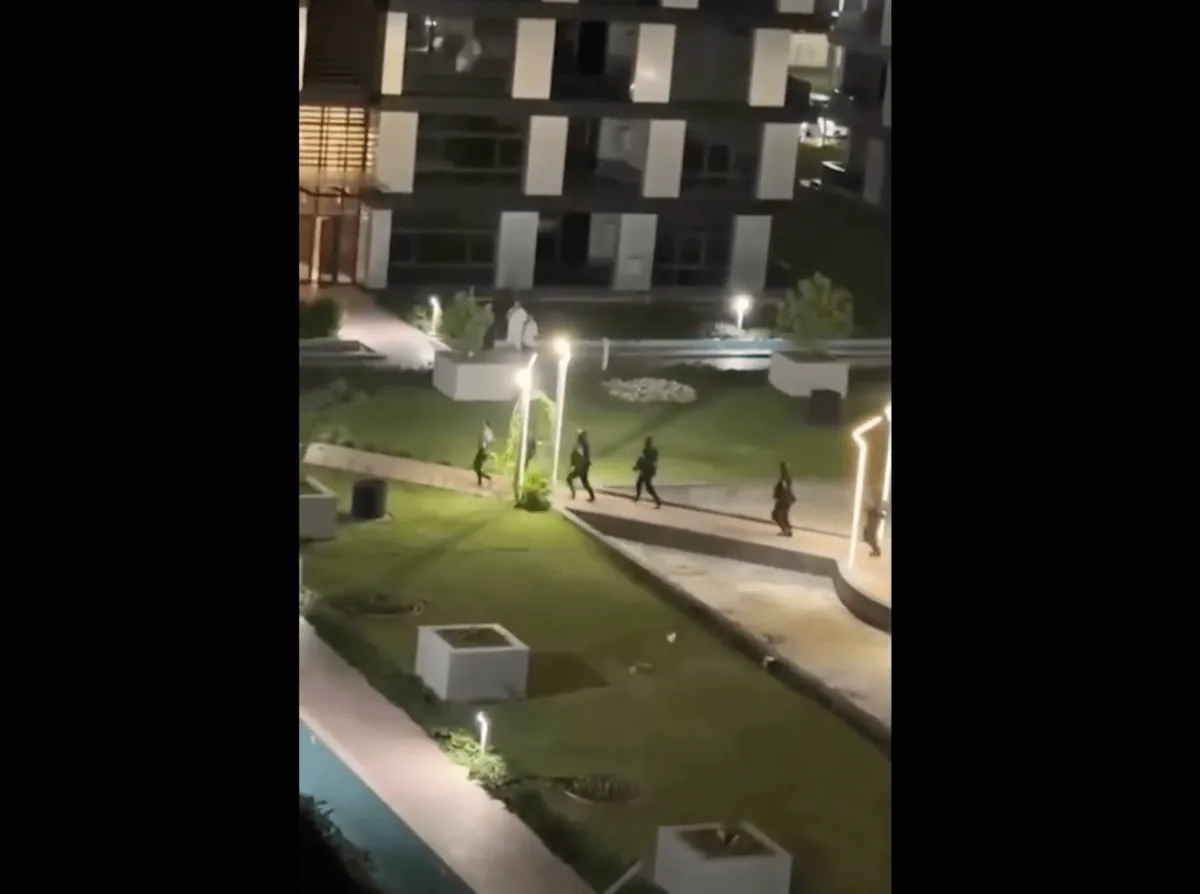
Iraqi security forces arrested dozens of politicians, lawmakers, and senior officials on corruption charges during pre-dawn raids in Baghdad on June 28. The operations included raids inside the fortified Green Zone and other neighborhoods across the capital, carried out by elite Counter Terrorism Service units in coordination with judicial authorities issuing arrest warrants [1, 2, 3, 4, 5].
State media reported at least 47 officials, including members of parliament, were detained in the crackdown [3]. Another report cited seven people arrested, including five MPs linked to former Prime Minister Mohammed Shia al-Sudani's political bloc [1, 4].
The arrests partly stemmed from confessions by Adnan al-Jumaili, former deputy oil minister, who was arrested last month on corruption charges. Authorities previously seized about $86 million in cash linked to the case involving al-Jumaili [1, 4].
Security forces deployed heavy armored vehicles and tanks, and closed main entrances to the Green Zone during the raids, showing the scale and security measures taken [3, 4, 5]. Prime Minister Ali al-Zaidi, who took office in May 2026, pledged to fight corruption and strengthen state control over weapons shortly after assuming office [1, 3, 4].
The raids came as Iranian Foreign Minister Abbas Araghchi visited Baghdad and pledged continued cooperation with Iraq’s new government, linking the crackdown to the political context at home and abroad [3]. Some sources suggest the crackdown aims to demonstrate the new government’s commitment ahead of an expected visit by al-Zaidi to Washington [3].
The differing arrest figures reflect ongoing reporting: state media cites 47 detained, while others specify seven, including five parliamentarians aligned with a former premier’s bloc [1, 3, 4].
The government has not yet disclosed further details on charges or trial schedules. The series of raids and arrests represent the new administration’s most aggressive action against corruption since al-Zaidi took office last month.