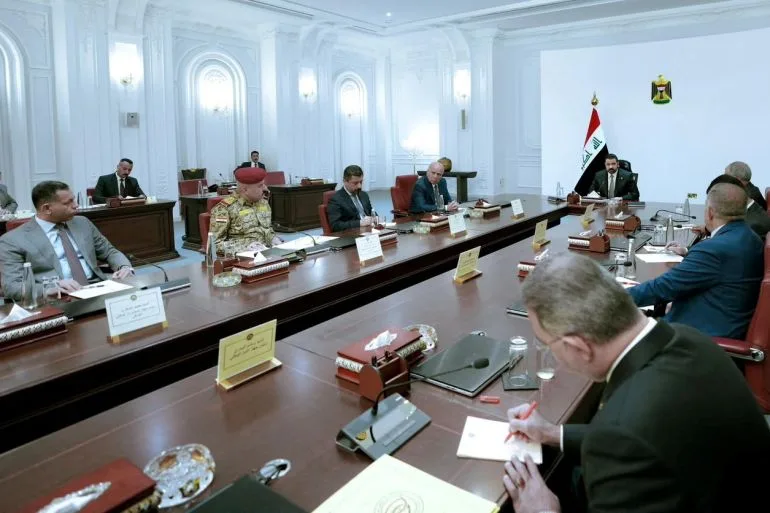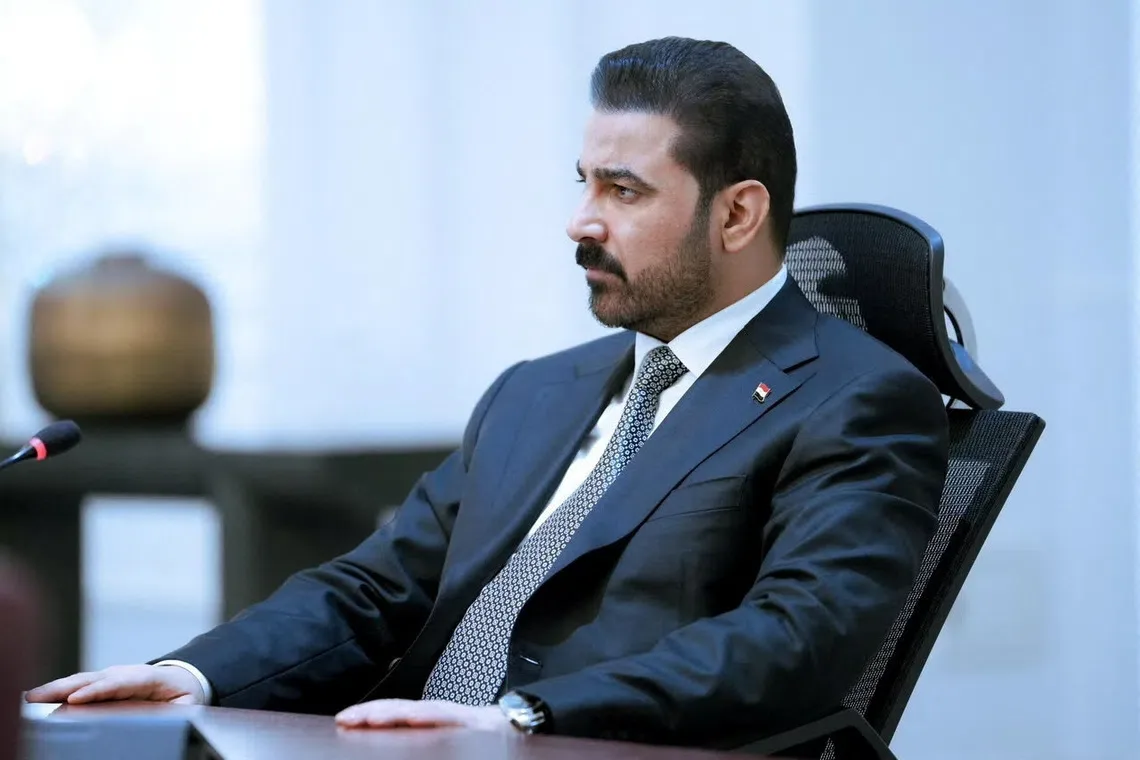
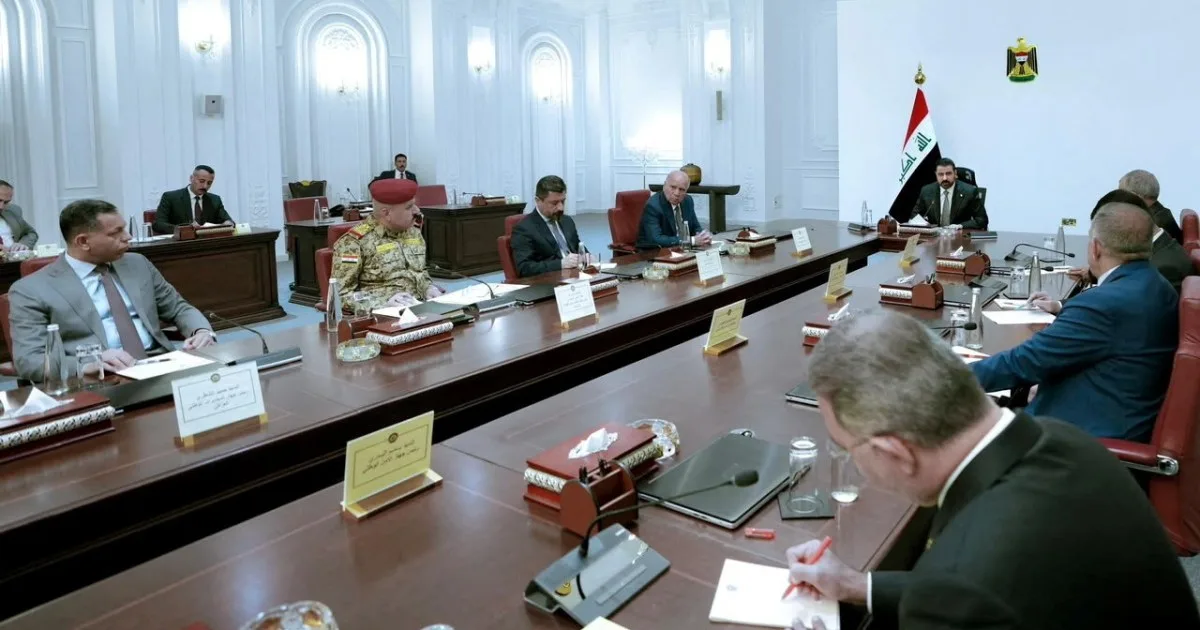
Iraqi Prime Minister Ali al-Zaidi met Saudi General Intelligence Chief Khalid al-Humaidan in Baghdad on August 7, 2026, to discuss regional security and enhance coordination between the two countries [1, 2, 3].
The meeting followed joint US-Saudi airstrikes conducted on July 29 targeting Iranian-aligned militia groups in Iraq. These strikes killed about 20 militia members and wounded more than 30 others [2, 4, 5].
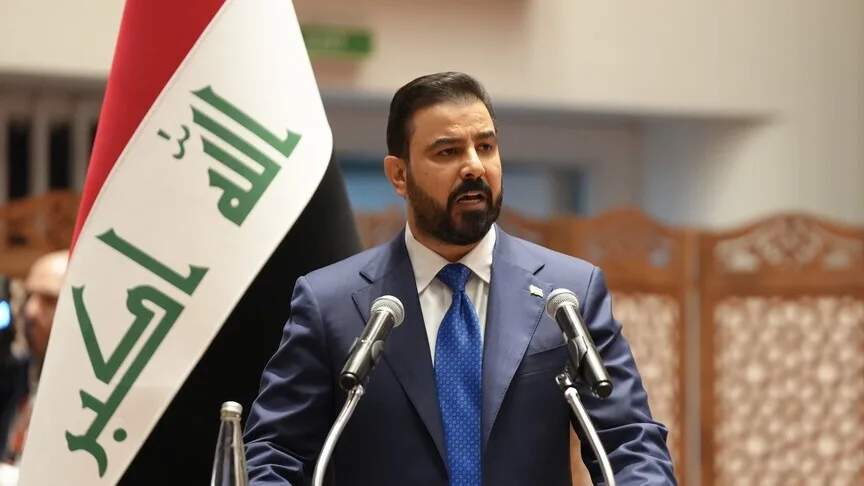
Al-Zaidi reaffirmed Iraq’s commitment to protecting its sovereignty, stating Iraq “would not allow its territory to be used to launch attacks or activities targeting any other country” and that Iraqi soil “would not become a launchpad for attacks on any other country” [1, 2]. He reiterated Iraq’s “firm position” on safeguarding national interests and sovereignty [3].
Iran-aligned armed groups had threatened retaliation for the strikes, but postponed planned attacks after appeals from pro-Iranian leader Hadi al-Amiri and other political figures [1, 2, 3]. Meanwhile, Iraq’s National Security Council rejected Saudi Arabia’s justification for the strikes, labeling them a breach of Iraqi sovereignty [2].
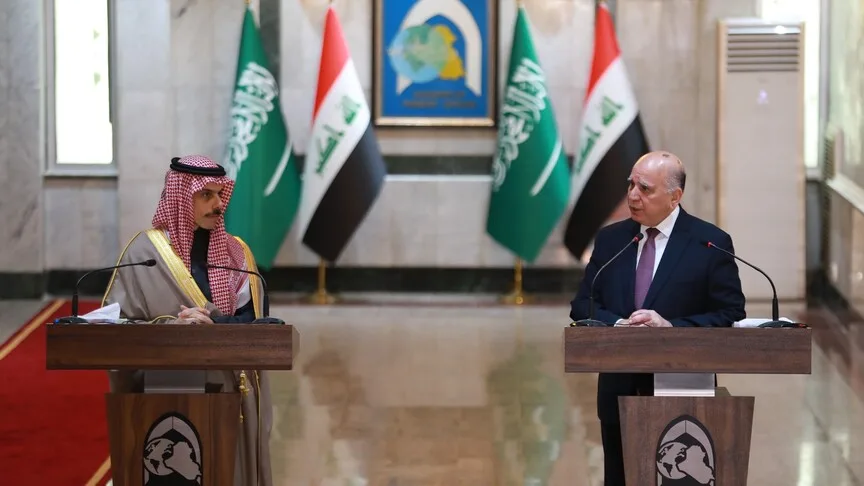
Earlier, on August 5, Iraqi Foreign Minister Fuad Hussein and Saudi Foreign Minister Prince Faisal bin Farhan discussed preparations for an upcoming Iraqi security delegation visit to Saudi Arabia [4, 5]. The talks underscored ongoing diplomatic efforts amid tensions.
Iraq is also pursuing a policy to place all weapons under state control and has set a deadline of September 30, 2026, for militias to disarm. However, Iraq faces opposition from some powerful militia factions [2, 5]. Saudi Arabia warned it would take further military action if Iran-backed militias launch new attacks [4, 5].
The Baghdad meeting emphasized continued intelligence sharing, cooperation, and mutual trust between Iraq and Saudi Arabia to avoid escalation of regional conflicts [3]. Iraqi Prime Minister al-Zaidi received a renewed invitation to visit Riyadh during the discussions [1, 2, 3].
Iraqi militias face the disarmament deadline of September 30, making that date a key milestone for the government’s efforts to assert control over armed groups aligned with foreign powers [2].
![Security forces and emergency personnel work at the site of a strike north of al-Miqdadiyah district in Iraq’s Dayala province on July 29, 2026 [AFP]](/uploads/2026/08/08/43af6f13fe696cf0d1434e1b.webp)