Ireland has imposed travel bans on two Israeli ministers, National Security Minister Itamar Ben-Gvir and Finance Minister Bezalel Smotrich, refusing them entry to the country as of June 5, 2026 [1, 2, 3, 4]. The bans were ordered by Irish Justice Minister Jim O’Callaghan after agreement by the Irish government [1, 2, 3, 4].
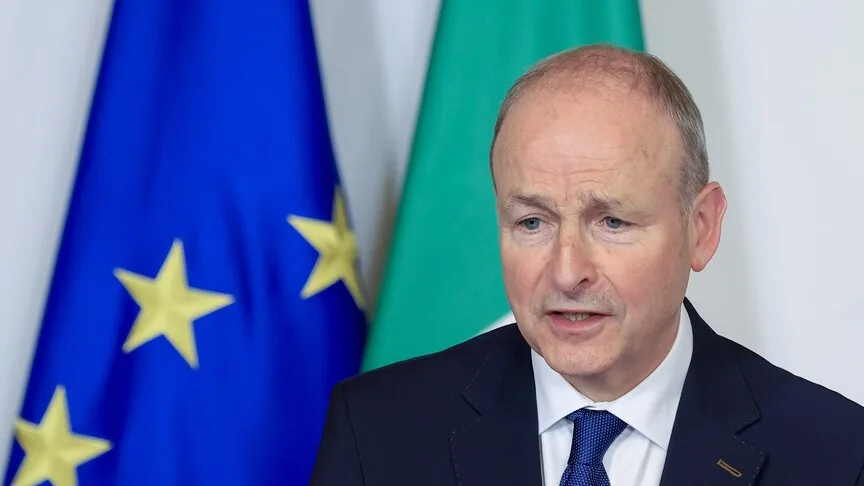
Irish Prime Minister Micheál Martin said the ministers’ actions and words show a desire to see the elimination of Palestinians from Palestine. He said, “their actions and words amount to a desire to see the elimination of Palestinians from Palestine” [1]. Martin also called for EU-wide sanctions against the two but expressed uncertainty about gaining enough support across the European Union, saying, “In my view, their behaviour justifies sanctions at EU level as well, and that’s something that we will raise, whether we can get sufficient support across the European Union is a different matter” [3].
Ben-Gvir and Smotrich are part of Israeli Prime Minister Benjamin Netanyahu’s right-wing coalition government. Both have advocated policies critics say promote annexation and displacement of Palestinians [1, 2, 3]. In May 2026, Ben-Gvir mocked pro-Palestinian activists detained on a Gaza-bound aid flotilla, sparking condemnation [2, 3]. Former UK Foreign Secretary David Lammy said the two ministers “had incited extremist violence and serious abuses of Palestinian human rights” [1].
Ireland’s travel bans follow similar actions by the UK, France, Spain, and Slovenia against Ben-Gvir and Smotrich. France banned Ben-Gvir from entry in May 2026 [1, 2, 3]. Ireland had recognized the Palestinian state in 2024, prompting Israel to close its embassy in Dublin in response due to Ireland’s policies [2, 3].
The bans mark a continuation of Ireland’s stance on Israeli policies toward Palestinians. Irish officials have made clear they will pursue further diplomatic and sanction measures depending on EU consensus [1, 2, 3, 4].