Ireland plans to pass a law banning imports of goods from Israeli settlements in the occupied West Bank by mid-July 2026, the government announced after its Cabinet meeting on May 26, 2026 [1, 2, 3]. The bill, called the Israeli Settlements (Prohibition of Importation of Goods) Bill, is due for Cabinet consideration today and aims to prohibit only goods imports, excluding services, following pressure from opposition politicians and business lobbyists [1, 3].
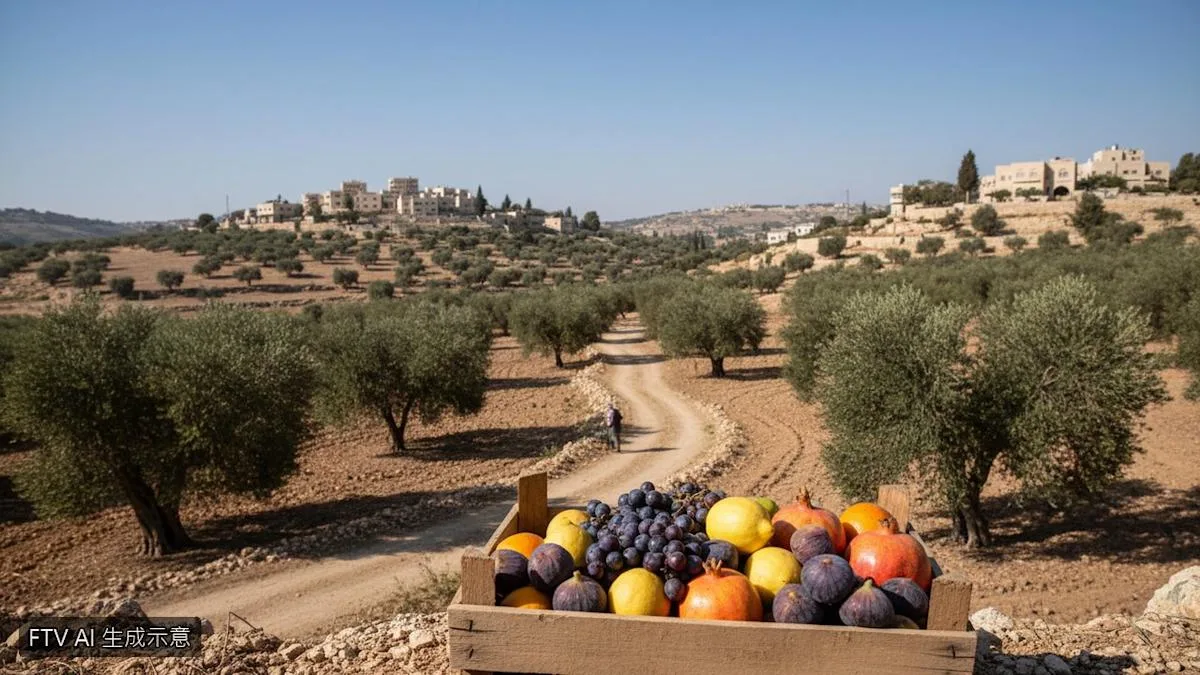
The ban targets an estimated 200,000 euros worth of settlement products annually, mainly agricultural goods such as fruit [1, 3]. Helen McEntee, Irish Foreign Minister, said Ireland has "consistently advocated for a peaceful solution" but cited continued escalation in settler violence in the West Bank and Lebanon as reasons for the measure. She said the Israeli government's actions show "they have no desire to take this particular road" [1].
Ireland is one of the most vocal critics of Israel’s conduct during the Gaza war and views this ban as a response to rising settler violence and ongoing occupation [1, 2, 3]. The government hopes to coordinate this legislation with Belgium, the Netherlands, and possibly Slovenia; Spain has already enacted similar import restrictions [1, 3].
U.S. lawmakers and business groups have opposed Ireland’s planned ban. They warn the move could harm U.S.-Ireland relations and affect American companies operating in the country. U.S.-owned multinationals employ around 11% of Ireland’s workforce, making the Irish government sensitive to U.S. pressure on the issue [1, 3].
Ireland first promised such sanctions in October 2024 [1, 3]. The Cabinet’s consideration today is the latest step toward enacting the ban by mid-July 2026 [1, 2, 3].