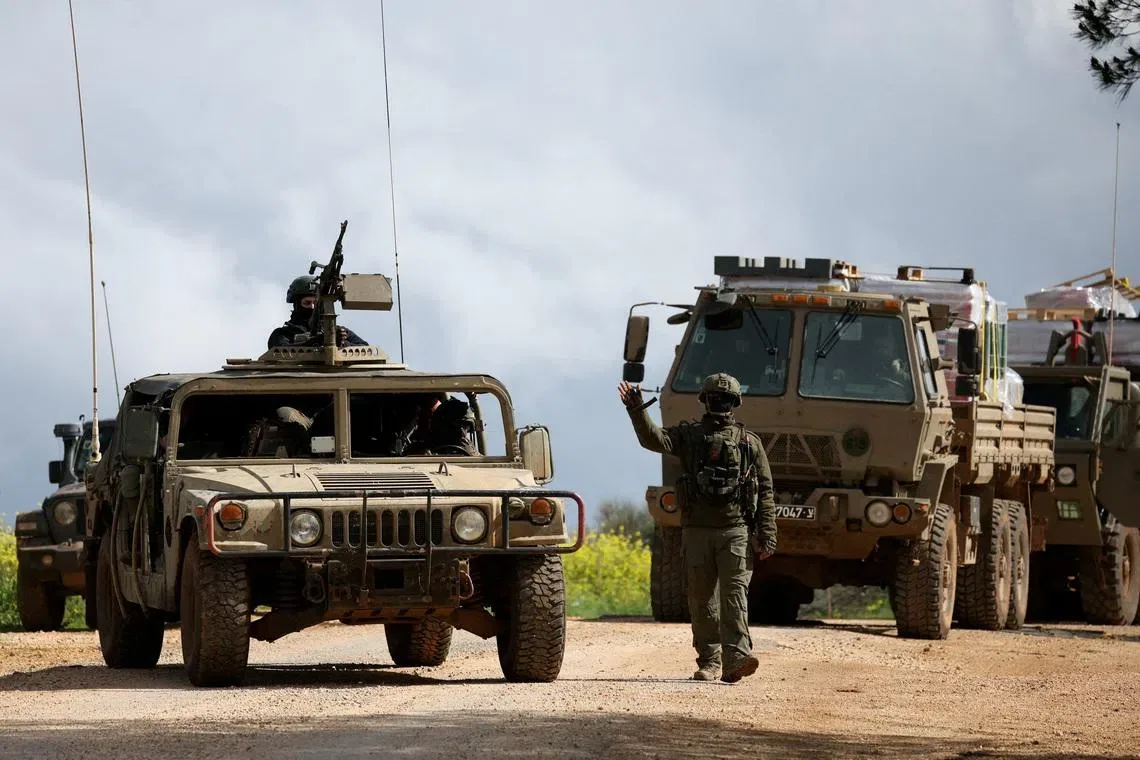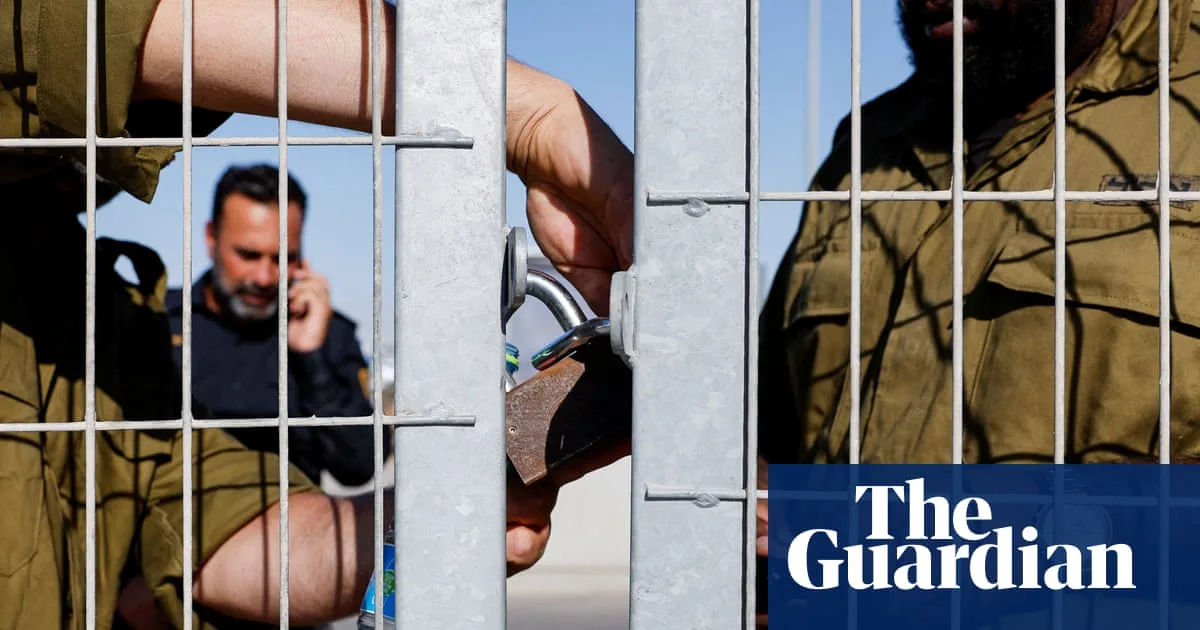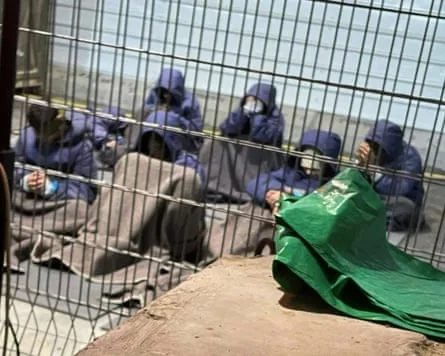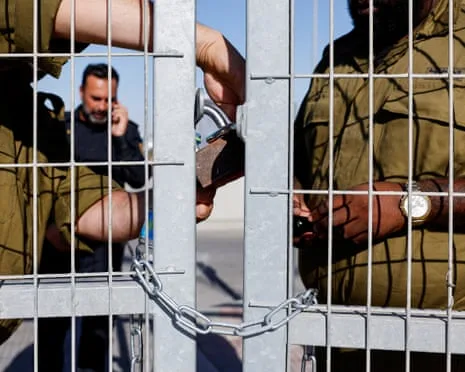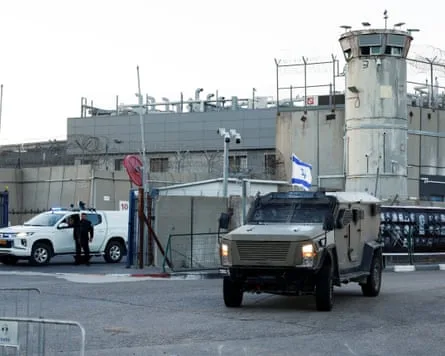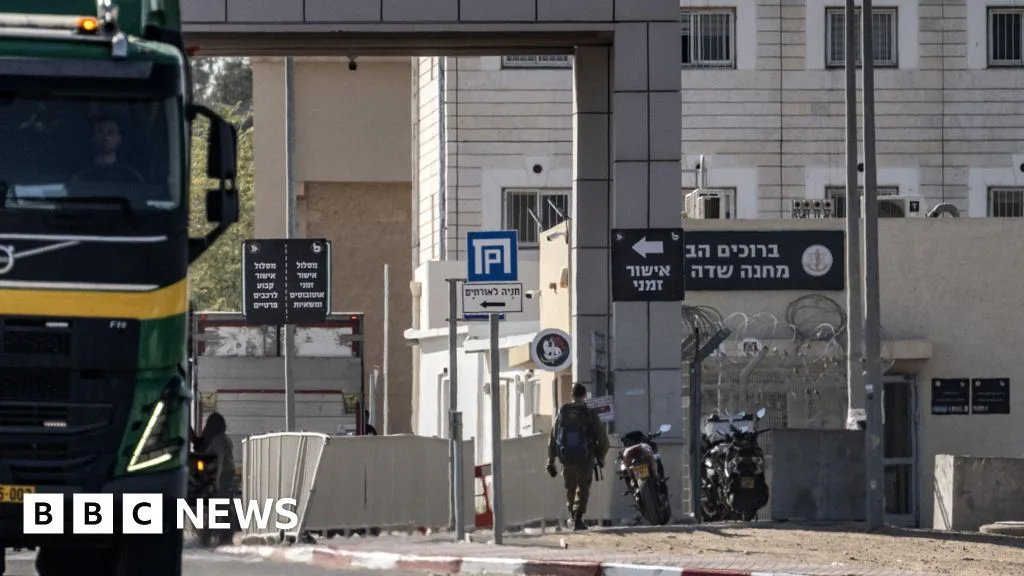
The United Nations officially added Israel and Russia to its annual blacklist of countries and armed groups credibly suspected of committing sexual violence in conflict zones on May 28-29, 2026 [1, 2, 3]. Israel appeared on the list for the first time due to documented cases of sexual violence by its military, police, and prison personnel against Palestinian detainees in Gaza and the occupied West Bank [1, 2, 3, 4].
From 2023 to 2025, the UN verified 31 cases involving Israeli forces sexually abusing Palestinians, including 13 in 2025 alone [1, 3, 5, 6]. Victims included 14 men, 7 women, 9 boys, and 1 girl subjected to rape, gang rape, attempted rape, genital violence and forced nudity [1, 3, 5, 6, 7]. The UN noted persistent obstruction and denial of access to Israeli detention centers that limited investigation comprehensiveness [1, 2, 3, 5]. UN official Pramila Patten said she received "no response on the substantive aspect of the preventive measures" from the Israeli government despite written requests [5].
Russia was also named for systematic sexual violence and torture committed by armed forces and prison services against prisoners of war and civilians during its occupation of Ukraine and within Russia [2, 3, 4, 6, 7]. In 2025 alone, the UN verified 310 cases of sexual violence by Russian forces, mostly male victims, including rape, genital mutilation, gang rape and electric shocks to genitals [2, 3, 6, 7].
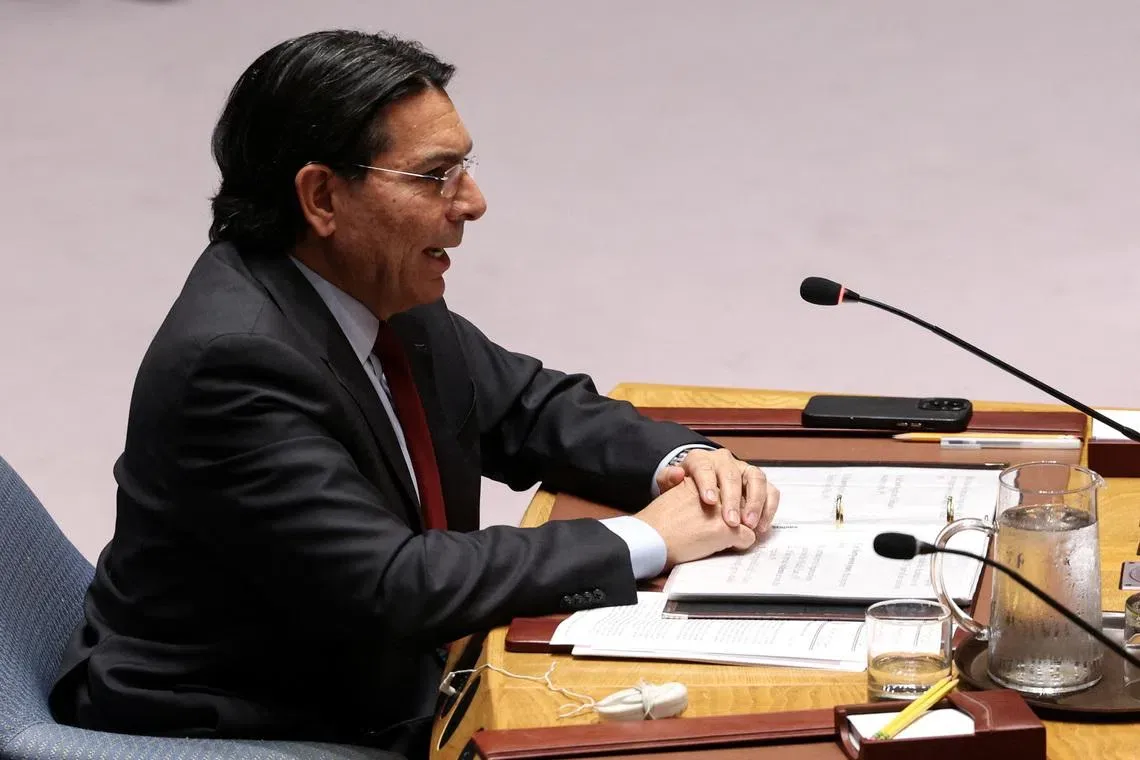
Israel strongly rejected the allegations and condemned the UN decision as political. Israeli Ambassador to the UN Danny Danon called it "a political decision! Disconnected from the facts and reality!" He added, "The secretary-general and his team continue to spread lies against Israel. To put us and Hamas terrorists on the same list, that’s unacceptable" [8, 9]. Israel’s Foreign Ministry spokesperson Oren Marmorstein described the listing as "further proof of the UN's true nature: a politicised and corrupt organisation that has abandoned its founding principles" [9].
After the blacklist announcement, Israel announced it would sever all ties with UN Secretary-General António Guterres until a new Secretary-General is appointed [8, 10, 9, 11]. UN spokesperson Stephane Dujarric said the Secretary-General’s door remains open to Israeli representatives and all 192 member states [8].
The UN’s report lists 77 countries and armed groups in total suspected of sexual violence in conflicts worldwide [3, 4]. Secretary-General Guterres had alerted Israel and Russia last August about possible listing following documented concerns [1, 2, 8, 10].
The next key development will likely focus on whether UN investigators can gain fuller access to Israeli detention facilities, as investigators have not received sufficient cooperation so far [5]. Meanwhile, Israel’s diplomatic break with the UN Secretary-General marks a serious rift following the listing [8].