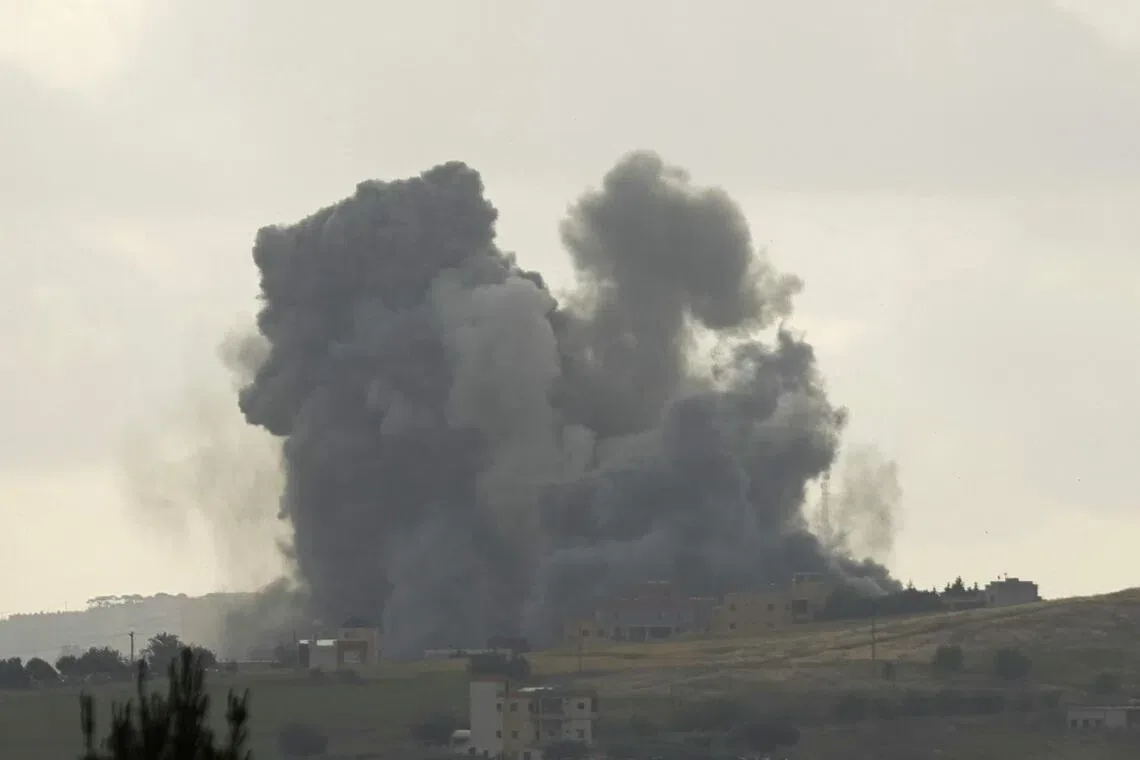
Israel's military said it killed over 220 Hezbollah fighters and struck more than 440 Hezbollah targets across southern Lebanon in the past week alone [1]. The army stated, "More than 220 Hezbollah terrorists who operated to advance attacks against IDF soldiers were eliminated over the past week" [1].
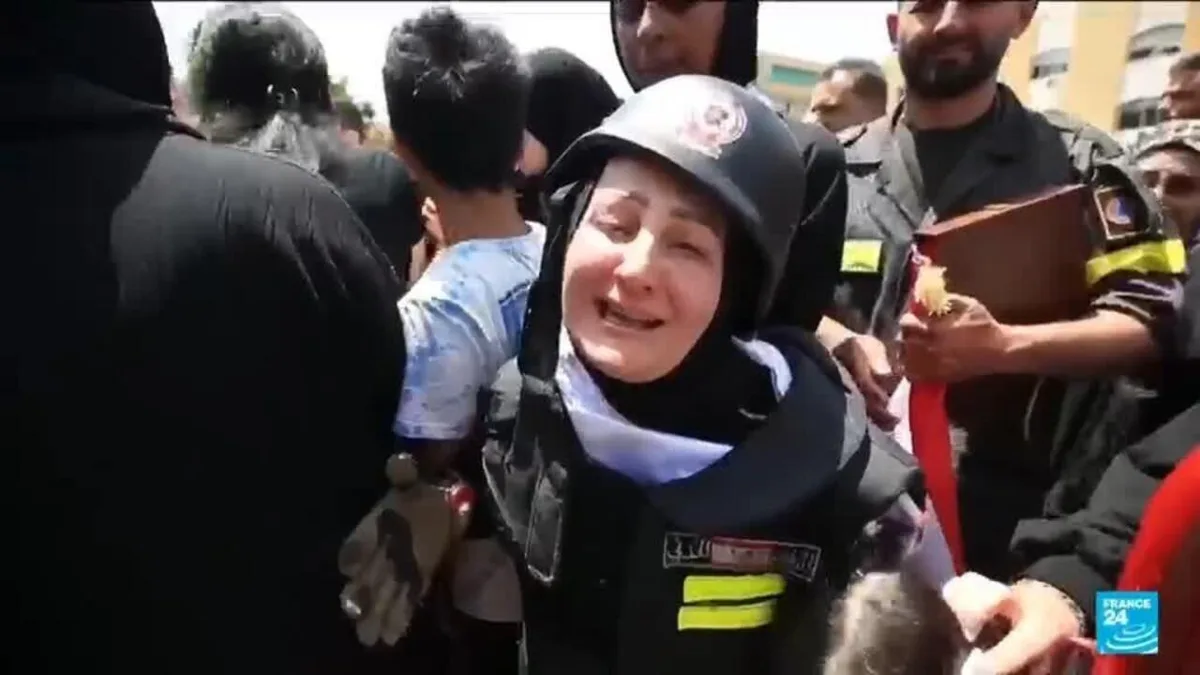
The conflict dates back to March 2, when Hezbollah fired rockets in retaliation for the killing of Iran’s supreme leader, triggering the ongoing clashes [1]. Since then, Israeli attacks in Lebanon have killed more than 2,800 people, with reported death tolls ranging from 2,840 to 2,869, and injured over 8,690 [1, 2, 3]. The shelling and airstrikes have displaced approximately 1.6 million people in Lebanon [2, 3].
Despite an April 17 ceasefire agreement, fighting and violations have persisted from both sides. The Israeli army continues daily airstrikes and home demolitions in southern Lebanon despite the ceasefire [2, 3]. On May 11, an Israeli airstrike in Kfar Dounine killed at least six people, including two Bangladeshi nationals. Bangladesh’s Foreign Ministry condemned the strike, saying it "condemns in the strongest possible terms the heinous attack by Israeli forces in Southern Lebanon yesterday, which resulted in the tragic killing of two Bangladeshi nationals" [3].
Clashes have also continued on the ground. Since the fighting began, 19 Israeli soldiers have been killed in southern Lebanon, and eight more were injured during a weeklong incursion north of the Litani River [1, 2].
Amid the ongoing violence, Israel and Lebanon are holding a third round of peace talks to try to end the fighting. The talks were taking place on May 14 and continued through May 15 [1].