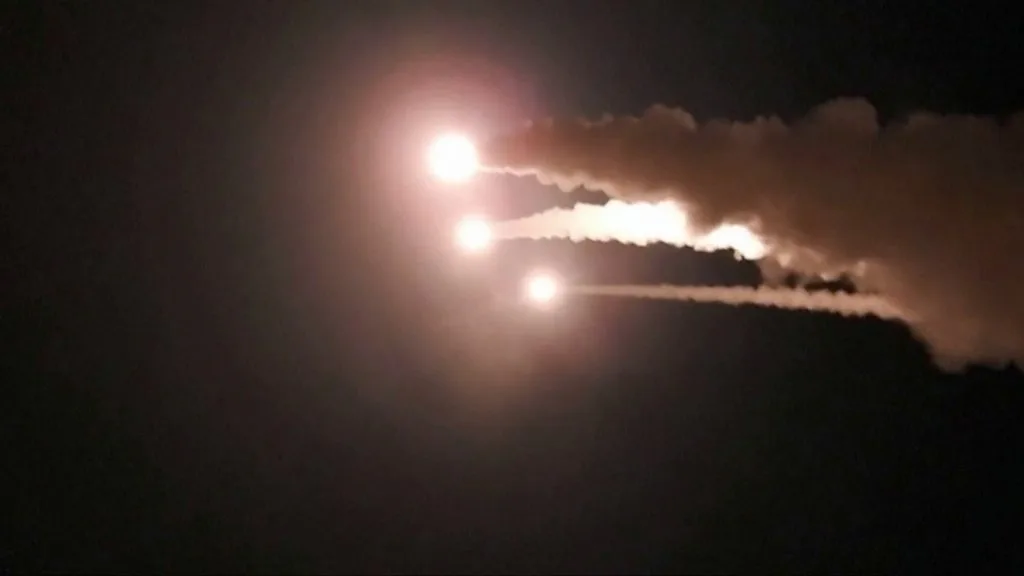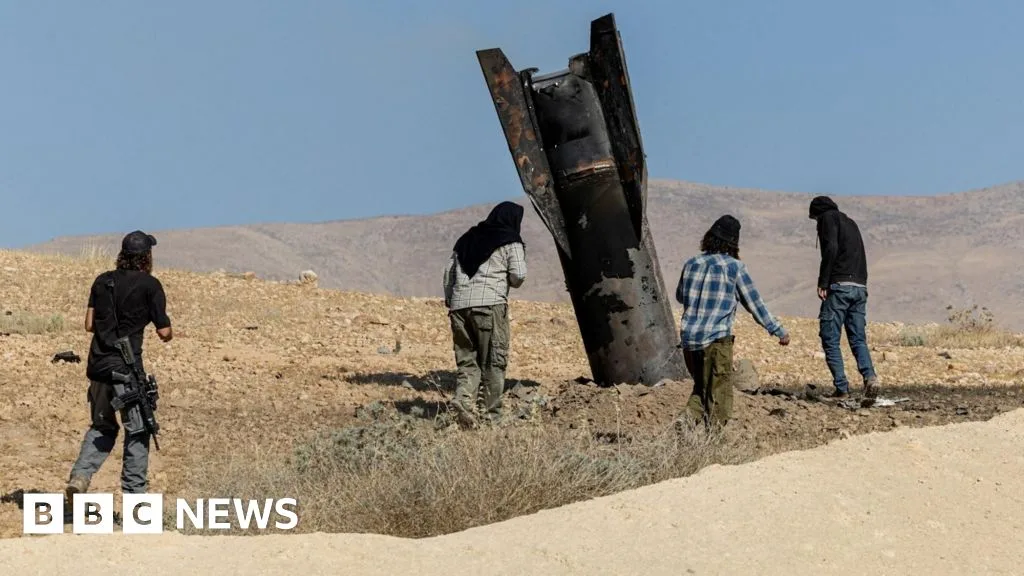
Israel and Iran exchanged missile strikes on June 7 and 8, 2026, marking the first direct attacks since a ceasefire began in April [1, 2, 3, 4, 5].
Iran fired about 10 to 30 missiles at Israel in retaliation for Israeli strikes on Beirut's southern suburbs, a Hezbollah stronghold, with air raid sirens sounding across Israel [2, 3, 4, 5]. Israel intercepted most missiles and reported no casualties, though some people were injured taking shelter [4, 5, 6].
Prior to the Israeli-Iran exchange, Hezbollah launched rocket and drone attacks on northern Israel and Israeli troops in southern Lebanon [7, 3, 4, 5, 6]. Israeli strikes killed two people and wounded at least 20 in Beirut's southern suburbs on June 7 [7, 3, 5, 8].
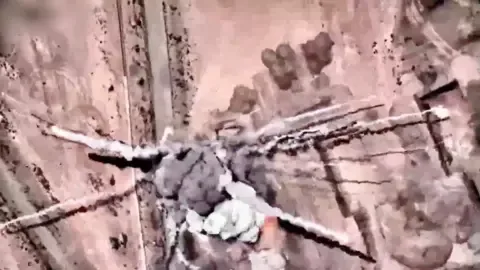
In response to the Iranian missile attacks, Israel conducted airstrikes targeting military sites across western and central Iran, including Tehran, Isfahan, Karaj, and Tabriz [1, 9, 5, 8, 10]. The strikes extended to multiple Iranian cities, provoking further missile interceptions by Israel.
Iran’s Revolutionary Guards described their missile launches as a "warning to cease hostile actions" after the attacks on Beirut and warned of broader strikes if fighting continued [1, 3, 4, 6]. Mohammad Bagher Ghalibaf, Iran’s parliament speaker, declared US and Israeli assets now "legitimate targets" [5]. Iran also closed its airspace over the west, with Iraq and Syria following suit after Israeli strikes [3, 5, 8].
On June 8, Iran’s Revolutionary Guards struck headquarters of so-called "terrorist groups" in Iraqi Kurdistan, accusing the US and Western interests [11]. On the same day, Yemen’s Iran-backed Houthi rebels launched missile attacks on Israel and declared a full maritime ban on Israeli shipping in the Red Sea [5, 6]. The Houthis stated, "We declare a complete and total ban on Israeli maritime navigation in the Red Sea" [6].
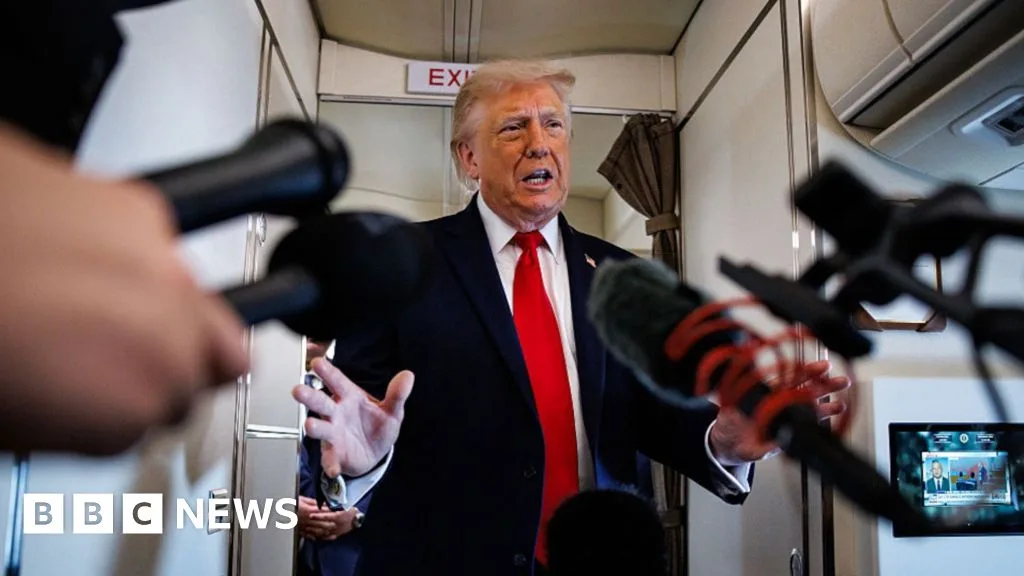
US President Donald Trump called Israeli Prime Minister Benjamin Netanyahu before the retaliatory strikes, urging restraint. Trump later said, "I call all the shots. He [Netanyahu] doesn’t call the shots," asserting US control over the conflict [1, 2, 9, 5, 6, 10].
The current fighting is part of a broader Middle East war that began February 28, 2026, after a US-Israeli operation killed Iran’s Supreme Leader and top officials [2]. Hezbollah entered the war by launching rockets into Israel days later [2, 7]. Pakistan brokered a ceasefire effective April 7, 2026, but sporadic missile and airstrikes have continued [2]. At least 3,526 people have died in Israeli attacks on Lebanon since March 2 [7].
Following the missile exchange, Brent crude oil prices rose to between $96.15 and $96.59 per barrel [5, 8, 10].
The next major developments are expected as the ceasefire remains fragile and no new negotiations have been announced.