Israel is scheduling a national parliamentary election for October 27, 2026. This will be the first election since the deadly Hamas attack on October 7, 2023, which triggered a multi-front war and severely impacted the country's security situation [1, 2, 3, 4].
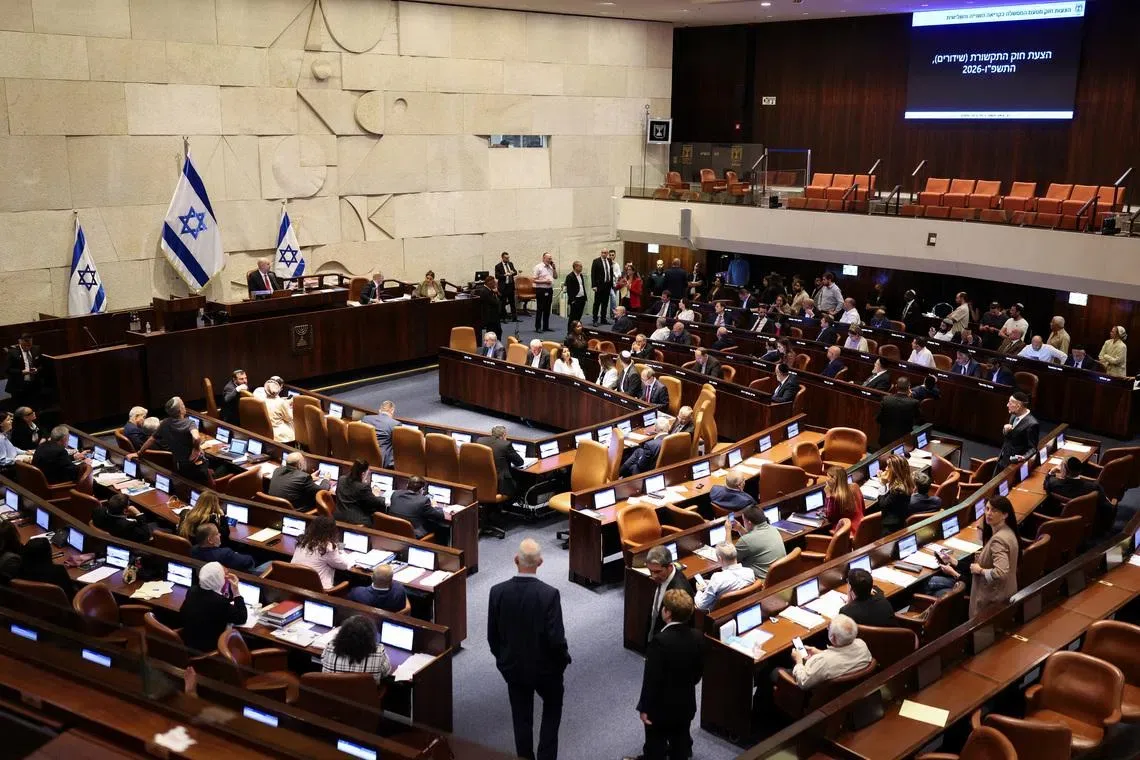
The election will fill all 120 seats of the Knesset, Israel's unicameral legislature. The Knesset members are chosen by nationwide proportional representation, with a minimum threshold of 3.25% of the national vote needed to enter parliament — equivalent to four seats [1, 2, 4]. Coalition governments are the norm as no party has ever won an outright majority in the Knesset [2, 4].
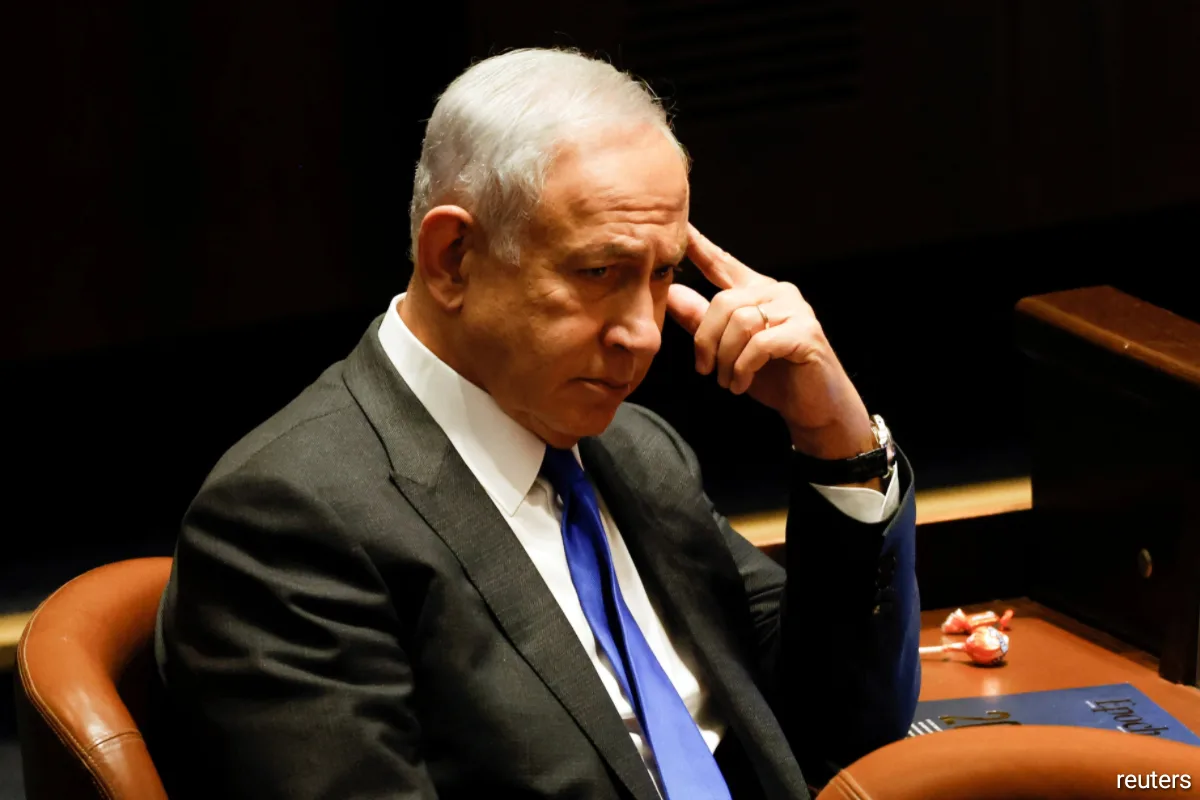
Current polls suggest Prime Minister Benjamin Netanyahu is likely to lose the upcoming vote. Public trust in Netanyahu's leadership declined sharply after the October 2023 Hamas attack, which damaged his security credentials [1, 2, 4]. His policies on religion and state have also grown unpopular among many Israelis [1, 2]. Despite this, no clear alternative leader has emerged and the eventual coalition math remains uncertain [1, 2, 4].
Netanyahu had returned to power in 2022 with the most right-wing government in Israel's history, backed heavily by ultra-Orthodox Jewish parties. These parties continue to hold controversial demands and play a key role in his political survival [1, 2]. Leading challengers in the election include former military chief Gadi Eisenkot, former prime ministers Naftali Bennett and Yair Lapid, and former defense minister Avigdor Lieberman [1, 4].
This Knesset session is notable for being one of the few to complete a full four-year term prior to the scheduled election [2, 4]. Many Israelis are demanding an independent inquiry into the government's failure to prevent the October 7, 2023 Hamas attack, adding pressure on the political establishment [3].
The October 27 election will determine Israel’s leadership as it continues to navigate security challenges and political divisions.