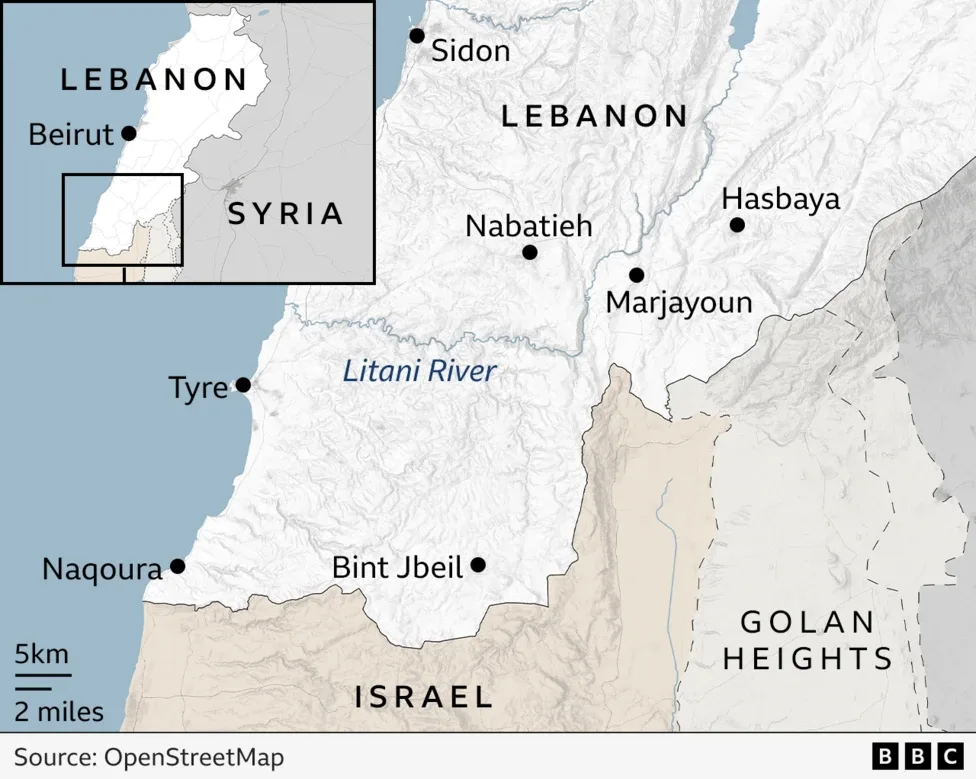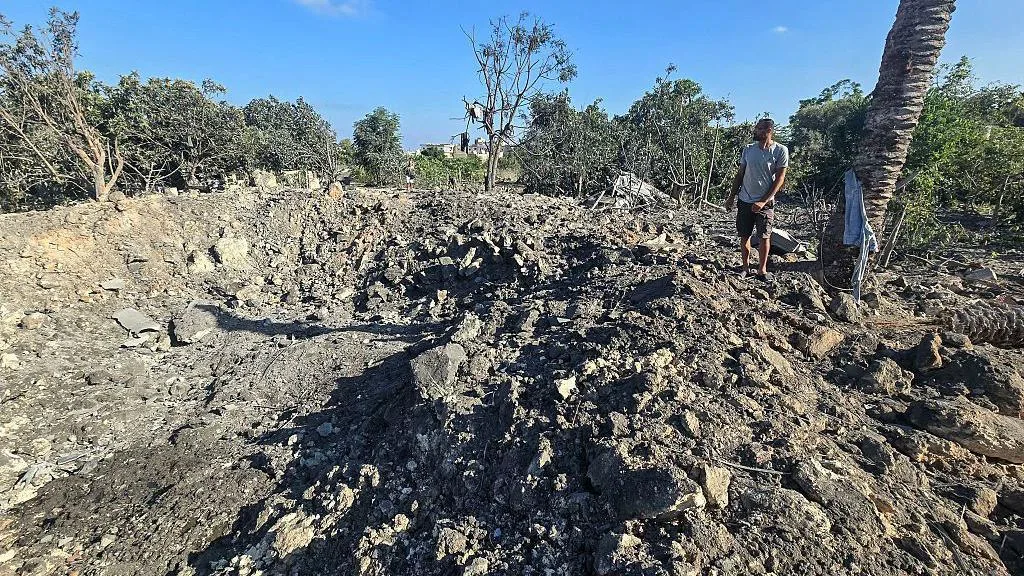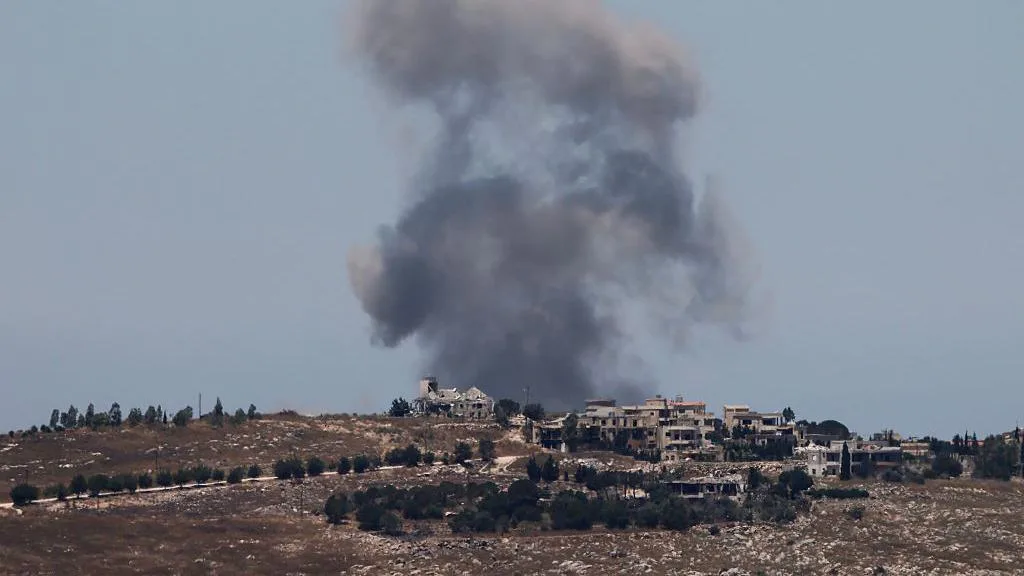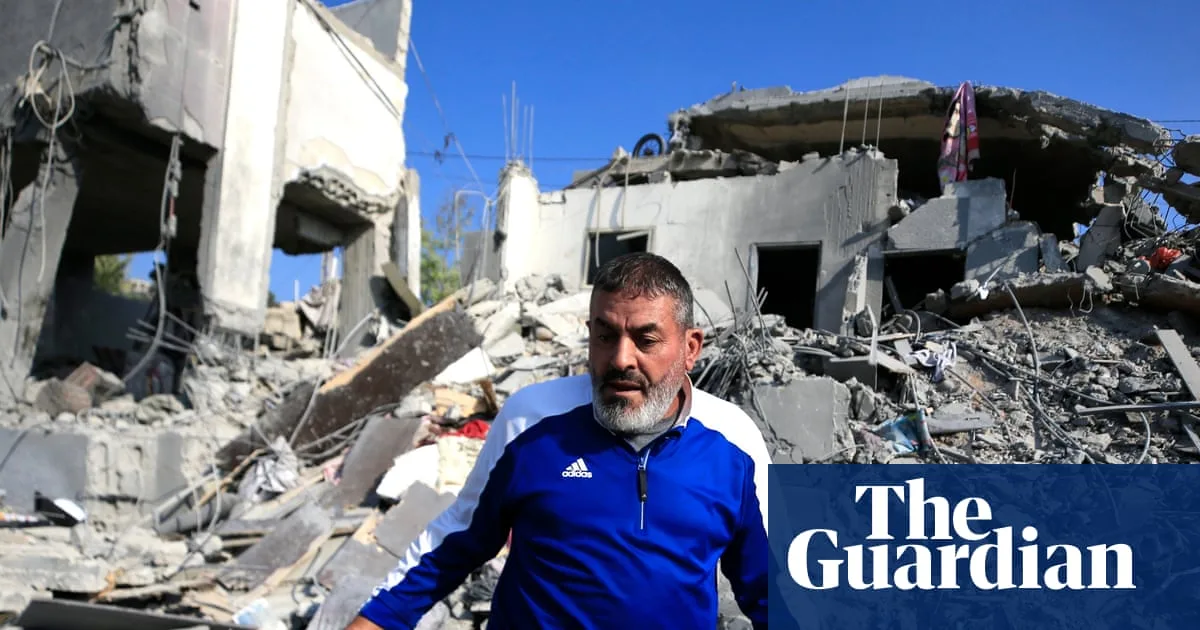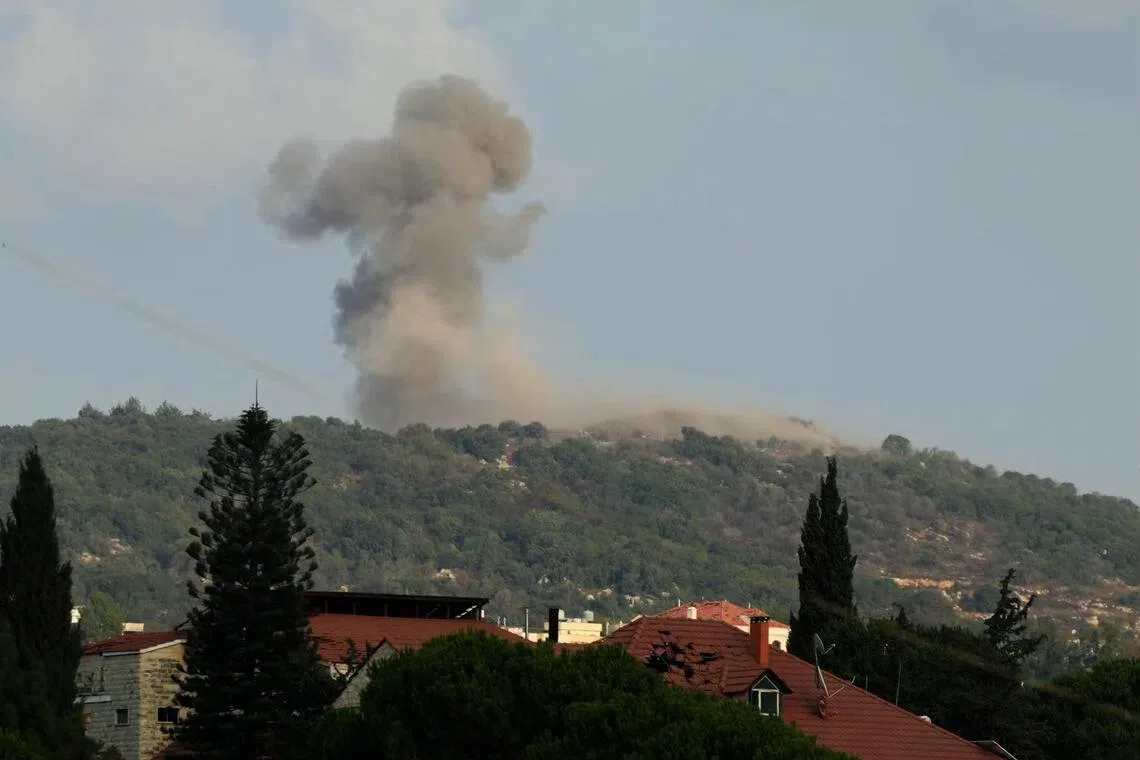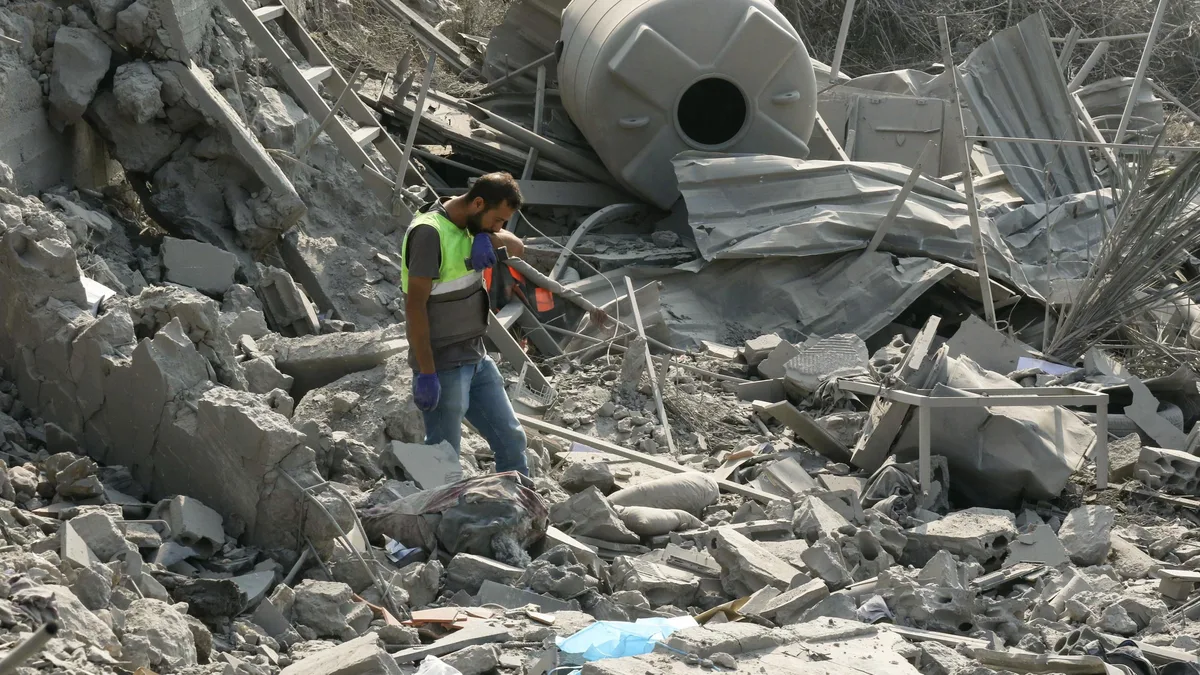
Israeli warplanes struck southern Lebanon early on August 15, destroying homes and killing at least seven people including three children and two women in Ansar, near Nabatieh district. Three others were injured in that strike alone [1, 2, 3, 4, 5, 6, 7]. Later airstrikes hit a home in Deir al-Zahrani town, killing between two and four civilians and wounding nine to 17 others [1, 8, 9, 10]. In total, the attacks on August 15 left between nine and 11 dead and over 11 injured across multiple sites in southern Lebanon [8, 9, 10].
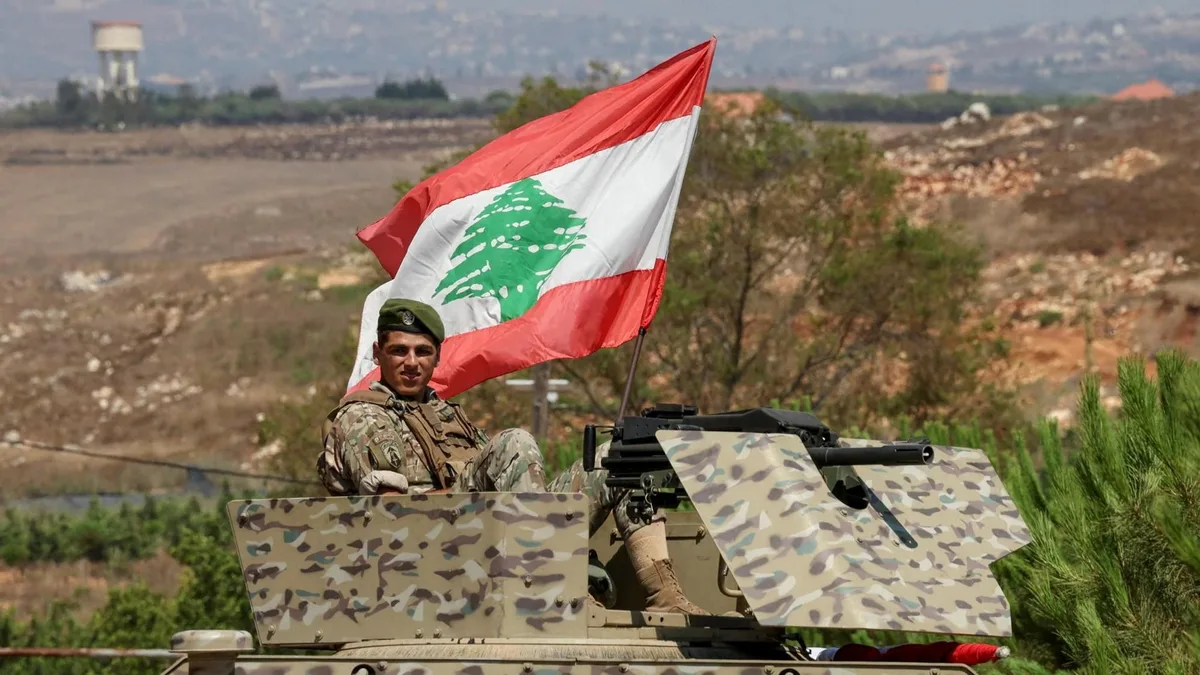
The Israeli military said these strikes targeted Hezbollah infrastructure in retaliation for earlier attacks on Israeli soldiers near the Ali al-Taher ridge area [1, 2, 3, 9, 4, 6, 10, 7]. The strike on Ansar was the first Israeli airstrike to penetrate this far into southern Lebanon since a US-mediated ceasefire was agreed in June 2026 [3, 4, 6, 10]. This ceasefire calls for Hezbollah disarmament, Israeli troop withdrawal, and Lebanese army deployment, but Hezbollah rejects its terms [1, 2, 3, 4, 5, 6, 7].
Lebanese Prime Minister Nawaf Salam condemned the attacks, calling them an escalation of violence and saying, "the seven martyrs of the Israeli strike on the town of Ansar were not 'military infrastructure' and the children and women killed were not military targets" [1]. He added the escalation in regions including Nabatieh, Ansar, and Deir al-Zahrani since early August 15 was "extremely dangerous" and undermined efforts to consolidate stability in southern Lebanon [10].
Hezbollah leader Naim Qassem denounced the peace talks as a "humiliating" framework agreement and accused Lebanon's authorities of signing on to an "Israeli order written in Israeli ink." He questioned, "How can you accept this ongoing humiliation of the Lebanese army, exposing it to bombardment and Israeli pressure instead of acting as its protectors?" [2, 3]
Israel's Defence Minister Israel Katz said on August 13 that Israeli forces would not withdraw from southern Lebanon until Hezbollah is disarmed [2, 5, 7]. Israeli forces currently occupy around 5 to 6 percent of Lebanese territory, including established security zones expanded during recent fighting [1, 8]. Since renewed hostilities began on March 2, 2026, the war has killed over 4,300 people in Lebanon and included Israeli ground incursions into southern Lebanon [1, 2, 8, 9, 6, 10].
Throughout August 15, Israeli warplanes and machine gun fire targeted multiple areas including Nabatieh, Bint Jbeil, Ansar, and Deir al-Zahrani, destroying homes and causing civilian casualties as operations escalated [1, 3, 4, 6].
The conflict remains active with no immediate ceasefire implementation. The US-mediated ceasefire agreement signed in June remains rejected by Hezbollah, and Israeli forces maintain their positions pending Hezbollah's disarmament.