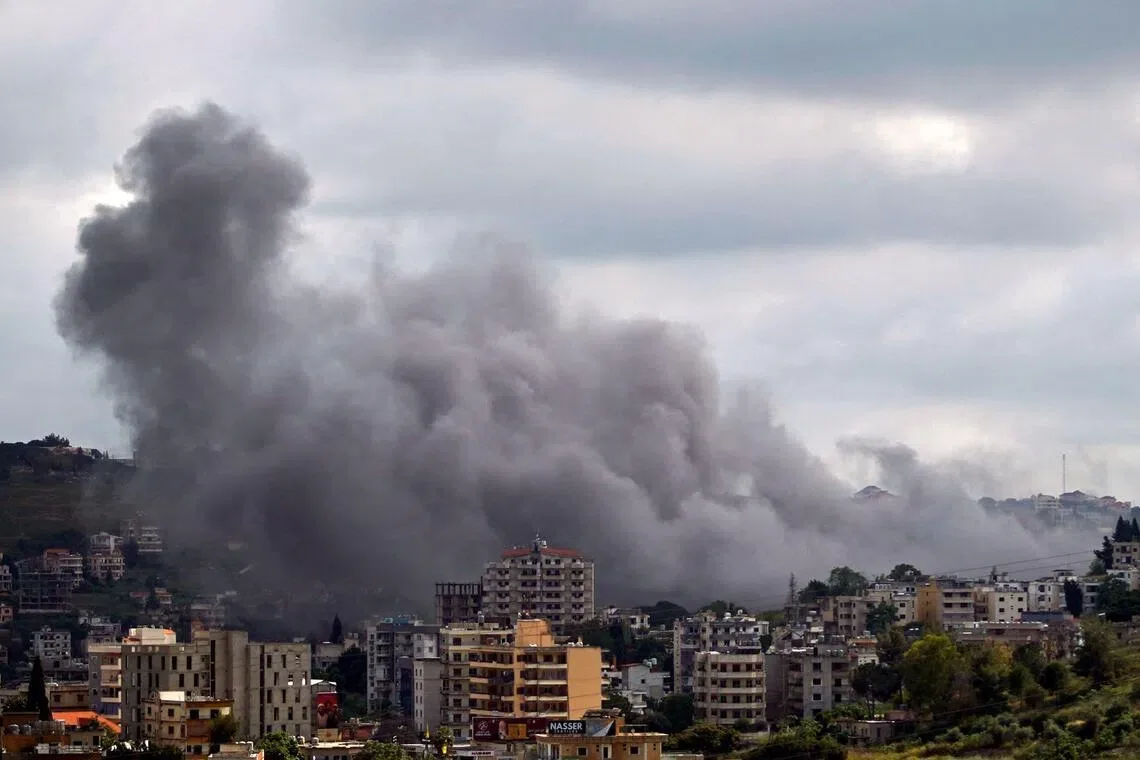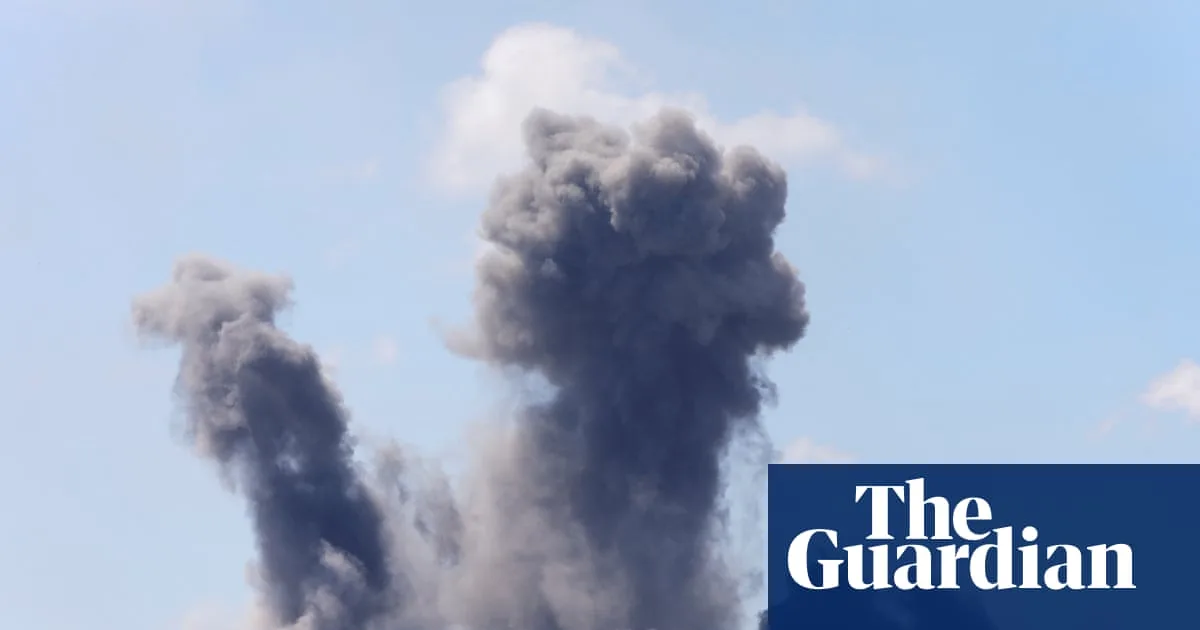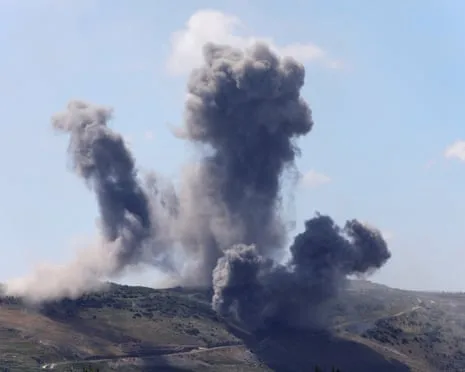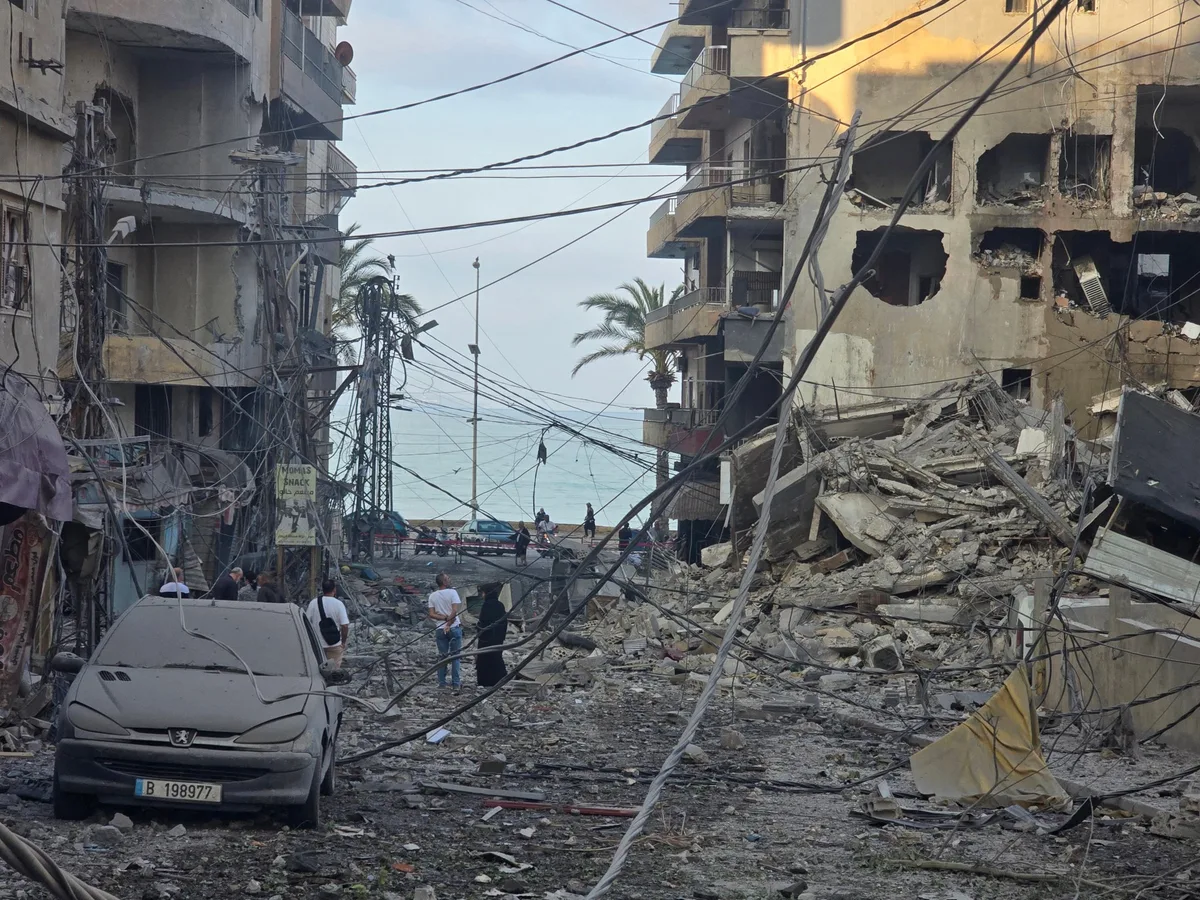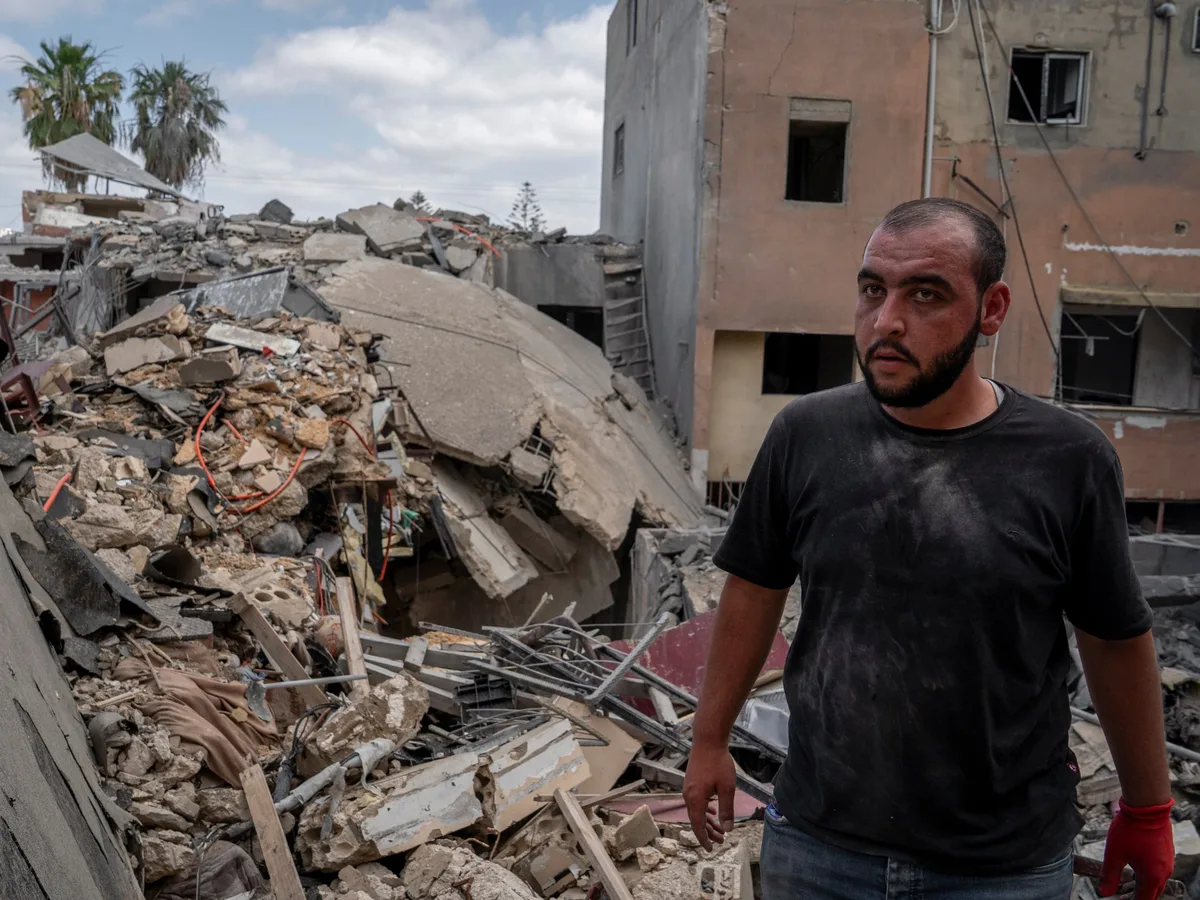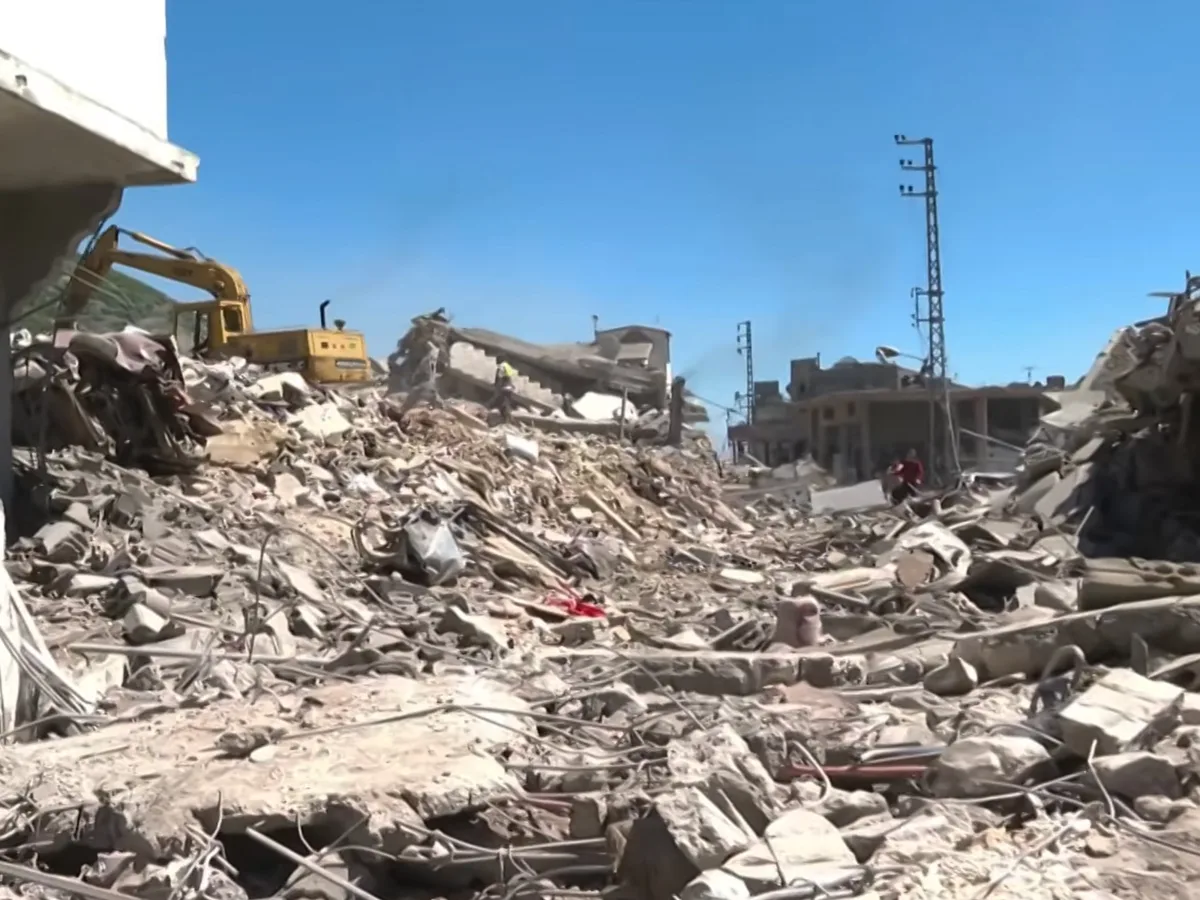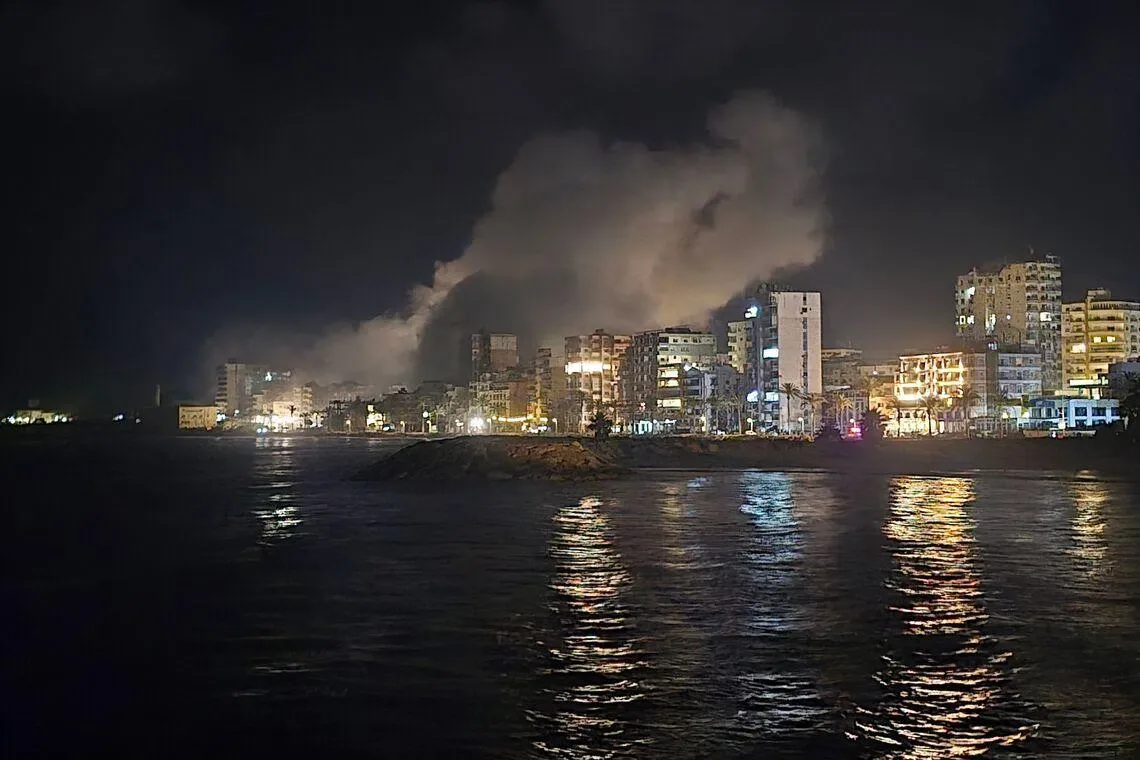
Israeli airstrikes have struck numerous sites across southern and eastern Lebanon, including Tyre, Nabatieh, Mashghara, and villages in the Bekaa Valley since early March 2026 [1, 2, 3, 4, 5, 6, 7, 8, 9]. The strikes severely damaged civilian infrastructure; notably, Hiram Hospital in Tyre was heavily hit on May 22-23, injuring 25 hospital staff and forcing patient evacuations within the building [1, 4, 9]. Dr. Salman Aydibi, CEO of Hiram Hospital, said, "We took the patients to a safer location elsewhere inside the hospital, none were harmed but some 30 staff sustained minor injuries." [1]
At least 3,100 people have died in Lebanon since the conflict resumed March 2, including children, women, medics, and rescue workers; over 9,500 have been wounded [2, 4, 5, 6, 10]. Casualty estimates vary slightly, with some sources citing deaths exceeding 3,120 and injuries above 9,500 [2, 5, 6, 10]. Israel says it targets Hezbollah infrastructure and operatives and has issued evacuation warnings for villages to reduce civilian casualties [1, 2, 6, 9]. Israeli military spokesman Colonel Avichay Adraee stated, "Israeli forces are compelled to operate against Hezbollah with force, issuing evacuation orders for safety." [6] However, aid groups report strikes have caused widespread damage to hospitals and civilian sites and harmed noncombatants [4, 5, 9, 11].
Hezbollah continues attacks on Israeli targets in southern Lebanon and northern Israel, including rocket and drone strikes [1, 2, 3, 5, 8]. The conflict reignited on March 2 with rocket fire from Lebanon into Israel [2, 4]. A fragile ceasefire was agreed on April 17 under US mediation but has not halted violence [1, 2, 3, 4, 6, 7, 10]. On May 23, Israel struck dozens of sites in southern Lebanon, wounding several workers and soldiers and ordering evacuations of approximately 15 to 16 villages [1, 2, 4, 5, 6, 7]. Israeli Prime Minister Benjamin Netanyahu said, "A large Israeli ground force is pushing deep into southern Lebanon to seize areas and fortify the security zone." [8]
Following Hezbollah drone attacks, Israeli army chief Eyal Zamir called on May 25 to resume strikes on Beirut [10]. On May 27, an Israeli airstrike killed at least two civilians in Deir Amas in Tyre's district amid the expanded bombardment [8]. The EU urged all parties to comply with international humanitarian law, with spokesperson Anouar El Anouni saying, "All parties must fully comply with international humanitarian law, ensuring the protection of civilians, civilian infrastructure, UN peacekeepers, and humanitarian personnel." [11]
Hezbollah lawmaker Hassan Fadlallah warned that "major transformations are taking place in the region, and war will not just stop in Iran, but across the whole region, particularly in Lebanon." [3]
The next major developments include ongoing US-Iran talks and renewed US-mediated dialogue between Lebanon and Israel to try to stabilize the ceasefire [1, 2, 3, 4, 6, 7, 10]. Additional ceasefire reviews and potential diplomatic steps are expected in the coming weeks.