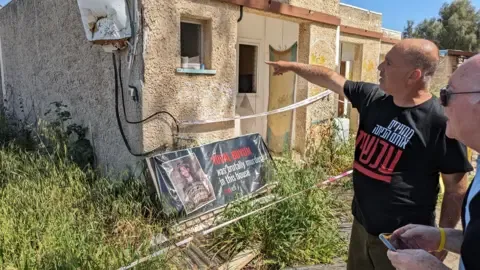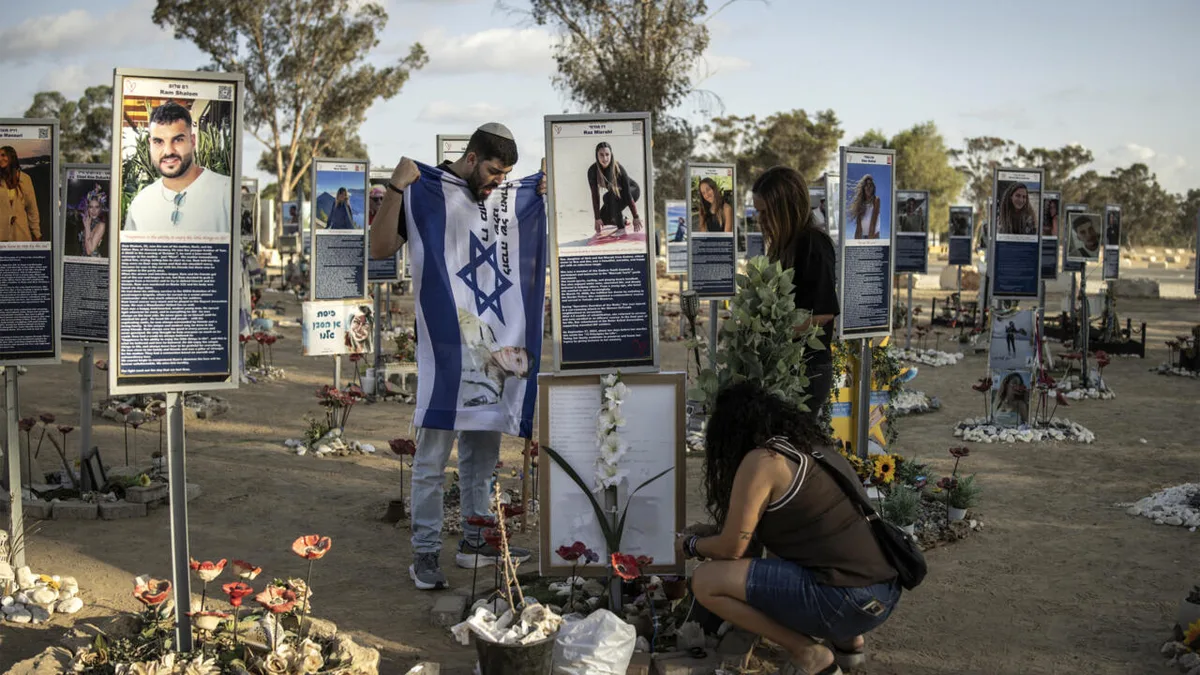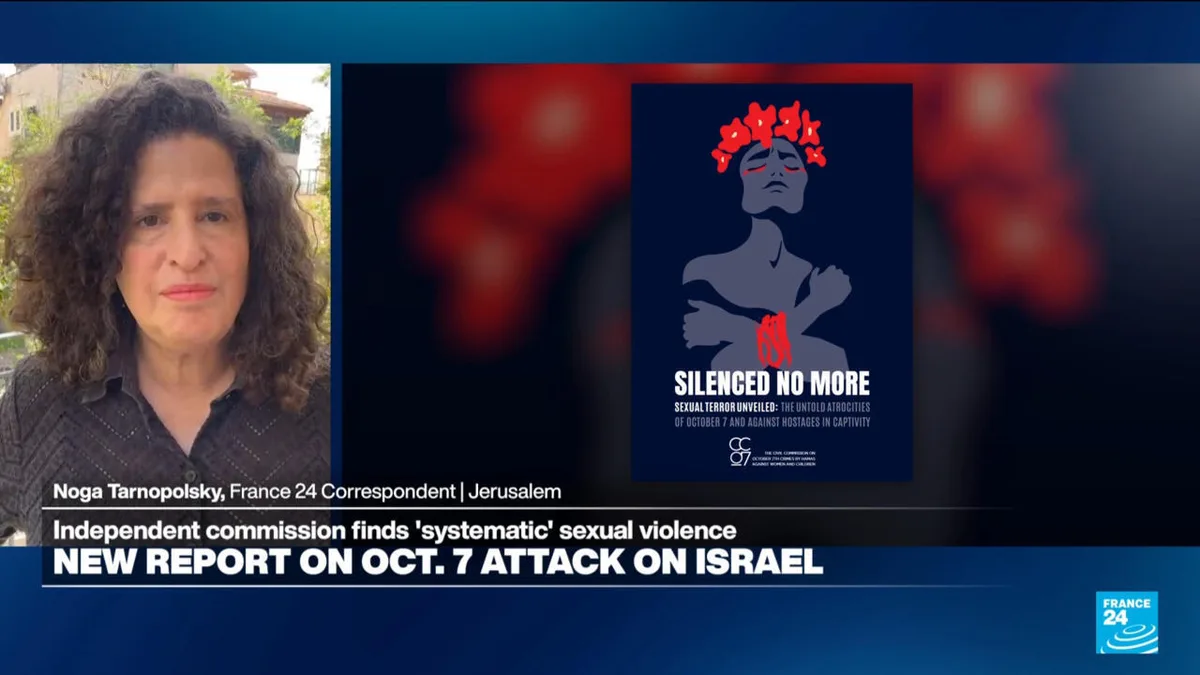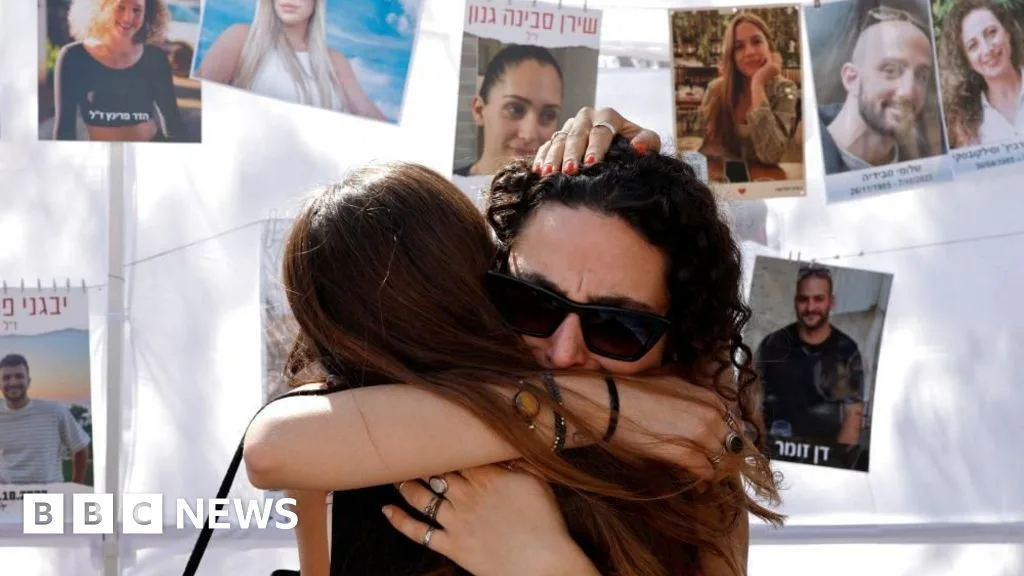
An independent Israeli investigative commission published a 300-page report on May 12, 2026, documenting "systematic, widespread" sexual violence by Hamas and allied Palestinian groups during the October 7, 2023 attacks on Israel and against hostages taken to Gaza [1, 2, 3, 4]. The investigation concluded that sexual and gender-based violence was a central and integral part of both the attacks and the captivity of hostages [2, 3, 4].
The commission was established in November 2023 by an Israeli legal expert and conducted a two-year probe. It collected evidence through over 430 interviews, thousands of photographs and videos, official records, and visits to attack sites [1, 2, 3, 4]. The report details abuses against women, men, and children, including rape, sexual assault, sexual torture, shootings targeting genital areas, use of victims as sex objects, and sexual violence after death [1, 2, 4].
Sexual violence occurred in multiple locations, including the Nova Music Festival where more than 370 people were killed, as well as residential areas, military bases, kibbutzim near Gaza, and during abduction, transfer, and captivity of hostages [1, 2, 4]. Hostages suffered prolonged sexualized torture and abuse for sometimes months while held captive [1, 2, 4].
The report describes sexual violence as a tactic used to maximize pain, terror, humiliation, and psychological harm. It states, "Across multiple locations and phases of the assault, including during abduction, transfer, and captivity, Hamas and its collaborators deployed recurring tactics of sexual abuse and torture against victims" [2]. Some victims spoke publicly about assaults, while others shared confidential accounts with medical and investigative personnel [1].
Hamas has consistently denied that sexual and gender-based violence occurred during the attacks or captivity [1]. The UN's Special Representative on Sexual Violence in Conflict had earlier found reasonable grounds to believe sexual violence, including gang rape, took place during the attacks [1, 2].
Dr. Cochav Elkayam-Levy, founder and chair of the commission, said, "We had to not only collect materials, but also review and analyze it alongside forensic experts while witnessing human suffering at its worst. What motivated us was the denial, the hesitation and the questioning. We wanted to ensure that the world knows what happened to the victims. For us, it is a final act of justice for the victims" [4]. She added, "We cannot prevent what we do not fully understand. No single prosecution could ever capture the full magnitude of these crimes in the way this report does" [4].
The report urges further study by academics, human rights groups, and security experts to fully confront these crimes [4].