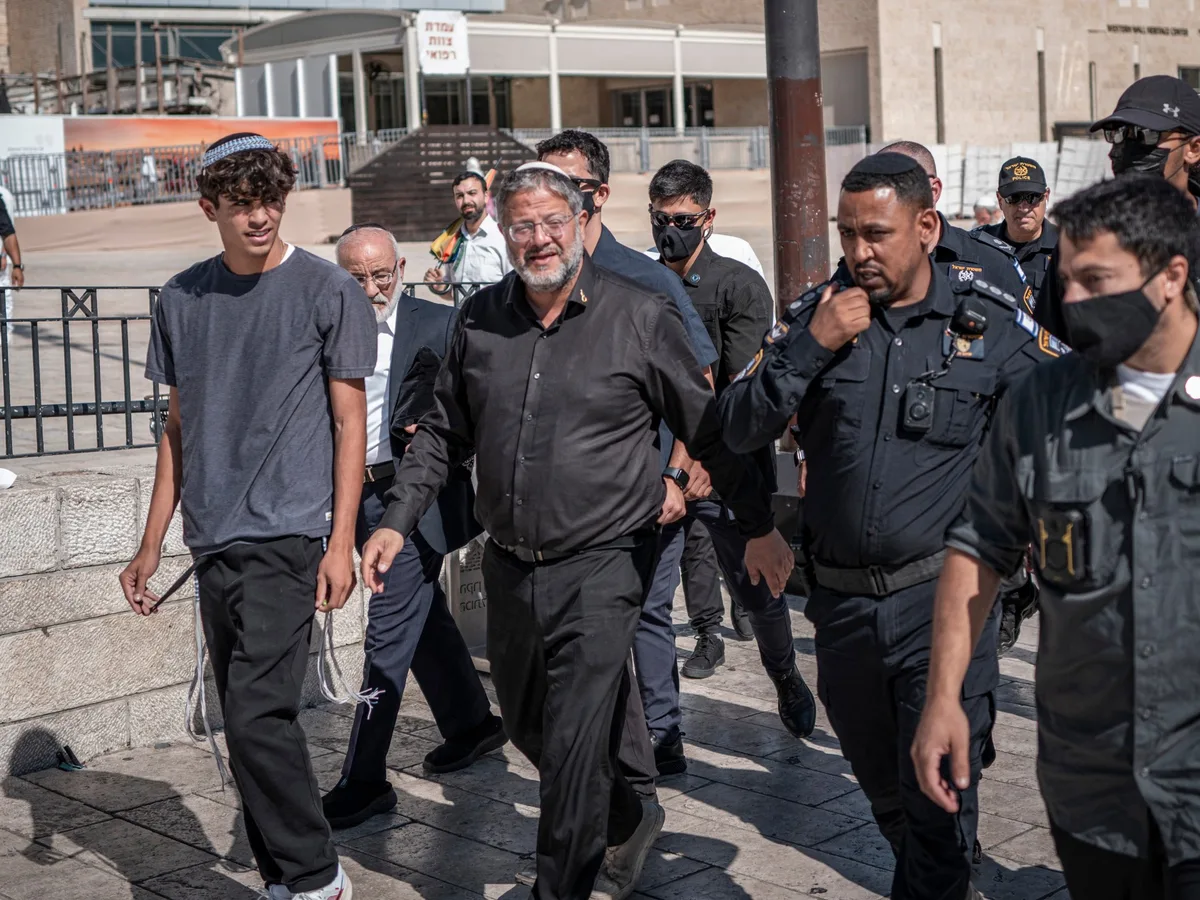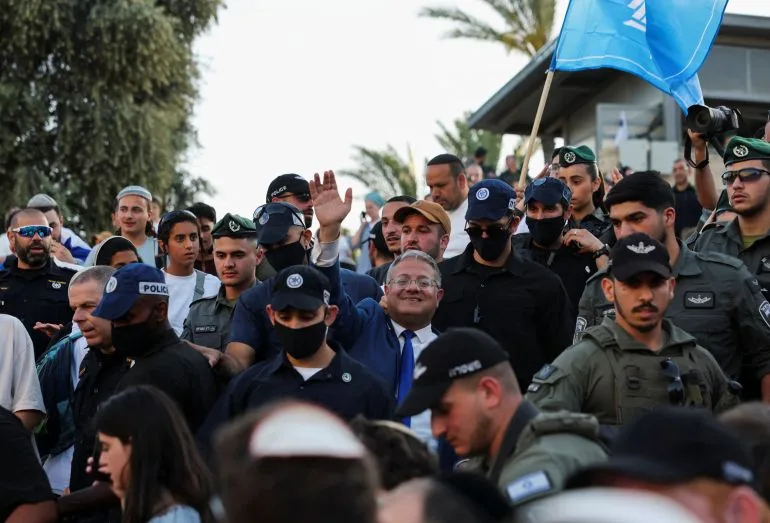
Israeli far-right national security minister Itamar Ben-Gvir visited the Al-Aqsa Mosque compound in Jerusalem on July 23, 2026, coinciding with the Jewish day of mourning Tisha B'Av [1, 2, 3, 4]. He was accompanied by far-right Jewish extremists and thousands of Israeli settlers who entered the compound and prayed there, defying the longstanding status quo barring non-Muslim prayer on the site [2, 3, 4].
The Al-Aqsa Mosque compound, also known as Haram al-Sharif to Muslims and the Temple Mount to Jews, is governed by an agreement that allows Jews to visit but prohibits them from praying within the area [1, 2, 3, 4]. Ben-Gvir praised the Jewish visitors praying on the compound as "enormous progress," saying, "Jews praying, feeling like they're the owners of the place. This has never happened before" [1, 2].
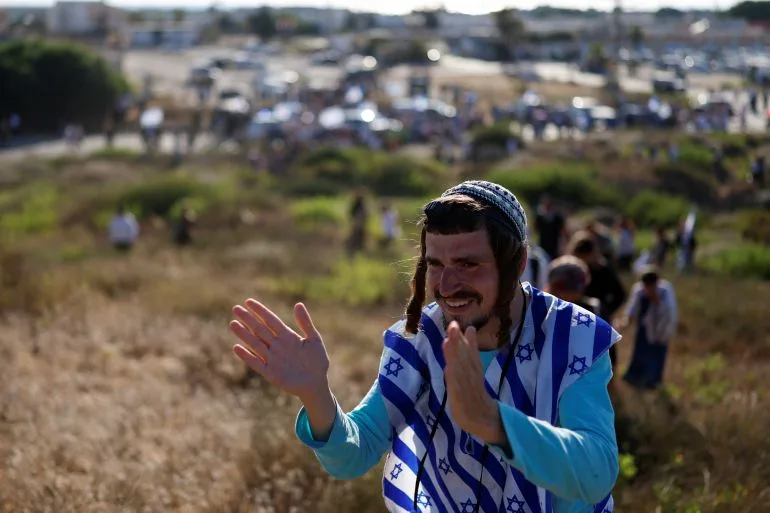
According to Palestinian officials, more than 2,300 Israelis stormed the compound on July 23, with numbers expected to reach around 5,000 by sunset [3, 4]. Palestinian authorities accused Israeli forces of barring many Muslim worshippers and students from entering and assaulting some worshippers that day [3].
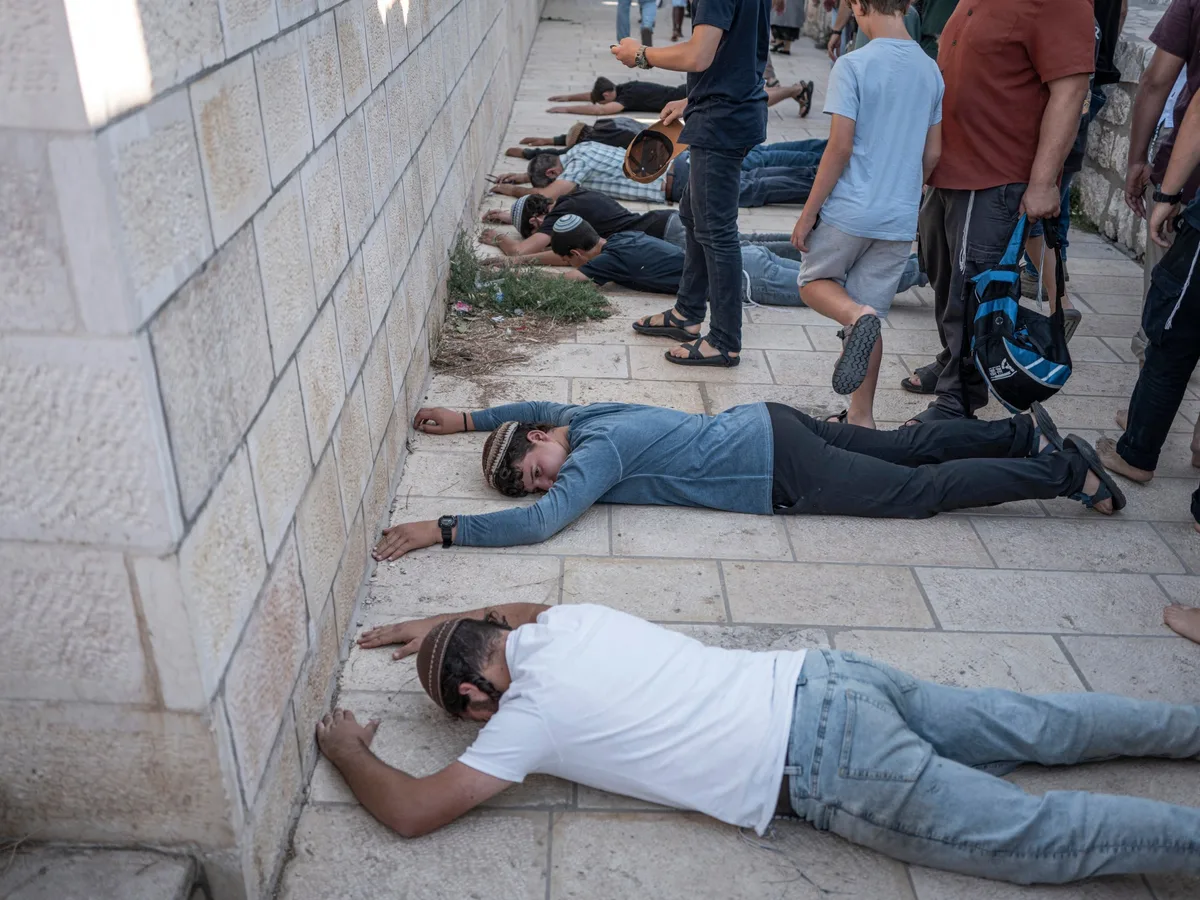
Israeli police allowed Jewish visitors to pray, wave Israeli flags, sing the national anthem, and perform rituals including prostration on the compound [2, 3, 4]. The visit was seen as provocative and part of efforts by far-right Israeli groups to alter the status quo governing the site [2, 3, 4]. Ben-Gvir has visited the compound at least 16 times since becoming national security minister and appointed an ideological ally as head of Jerusalem police in January 2026 to facilitate changes in rules for Jewish visitors [2, 4].
Jordan condemned Ben-Gvir's visit as "a desecration of the sanctity of the mosque, an escalation, a barbaric act, and unacceptable provocation" [1]. The Palestinian Ministry of Religious Endowments and Affairs warned the practices "seek to ignite a religious war throughout the entire region" [2].
The compound remains a flashpoint of tension in Jerusalem, with Jewish prayers on the site viewed by Muslims as a breach of the longstanding agreement maintaining its delicate status. The next key event in the compound's calendar will be the approaching Muslim holidays when thousands of worshippers are expected to gather, requiring heightened security and diplomatic attention.