Israeli authorities acted aggressively toward Palestinians during Eid al-Adha, firing tear gas at families visiting cemeteries and forcibly removing a woman’s headscarf near the Al-Aqsa compound [1]. On the eve of the holiday, Israeli military raids in the West Bank injured two Palestinian children, ages 13 and 16 [2].
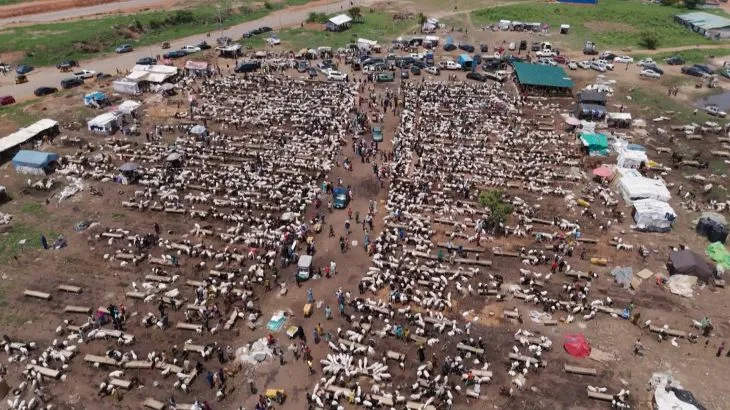
Alongside the injuries, Israeli forces caused significant damage to Palestinian farmland in Masafer Yatta and Salem village by cutting trees, destroying fences, damaging property, and severing electricity cables [2]. On the first day of Eid al-Adha, Israeli occupiers attacked Palestinian families in eastern Ramallah by surrounding homes and driving livestock such as sheep and camels into residential areas, damaging residents’ property and destroying trees. Fares Kaabneh, a local observer, said, "Occupiers deliberately drove herds of sheep and camels into the vicinity of Palestinian homes, causing damage to residents’ property and destroying trees" [3].
Data shows a pattern of frequent violence: April 2026 saw 540 Israeli attacks against Palestinians and their property across the West Bank and East Jerusalem [2, 3]. Since October 2023, Israeli military actions have killed between 1,163 and 1,200 Palestinians and injured over 12,245 up to more than 12,600. Tens of thousands—estimated at 33,000—have been displaced [2, 3].
Officials underscore the intensity of the raids during this period of religious observance, with Palestinian communities facing raids, injuries, and property destruction simultaneously. Palestinian farmland and homes remain frequent targets of these operations.
The recent incidents on and around Eid al-Adha mark the latest in a series of aggressive actions reported in the West Bank. Human rights monitors and local sources continue to document these coordinated attacks and property damage. The ongoing security situation will be further assessed in the coming months as monitoring groups compile new data on these confrontations.