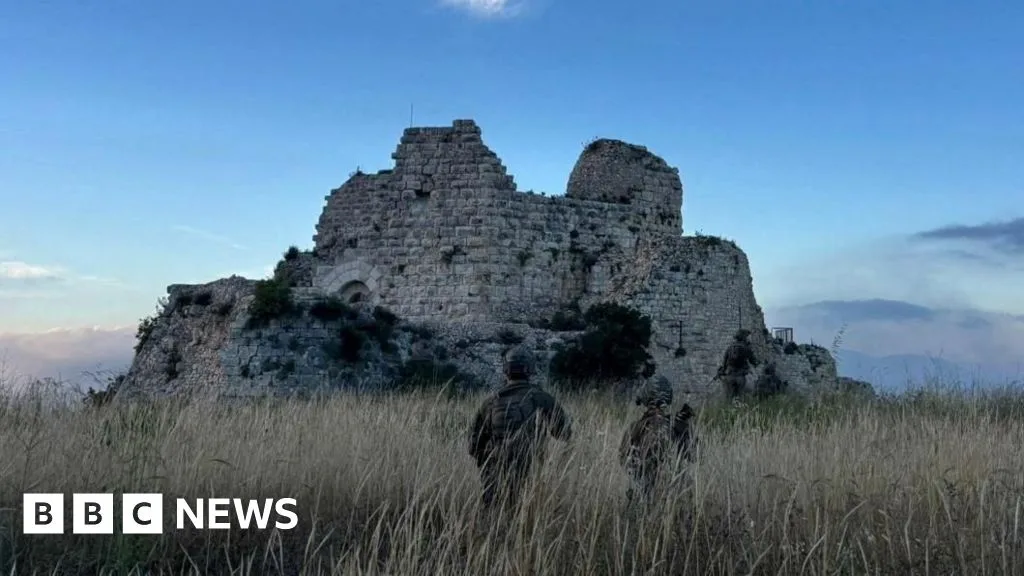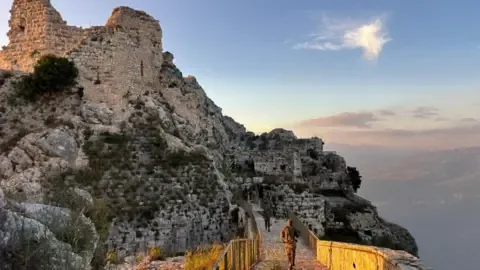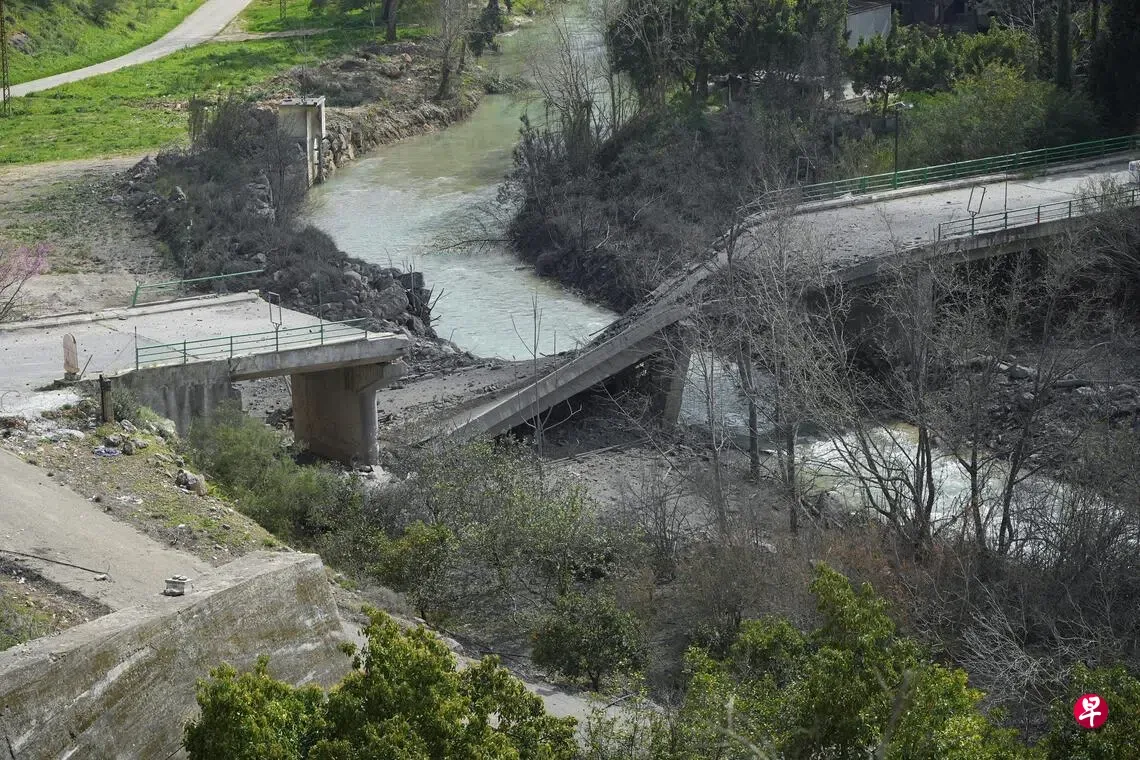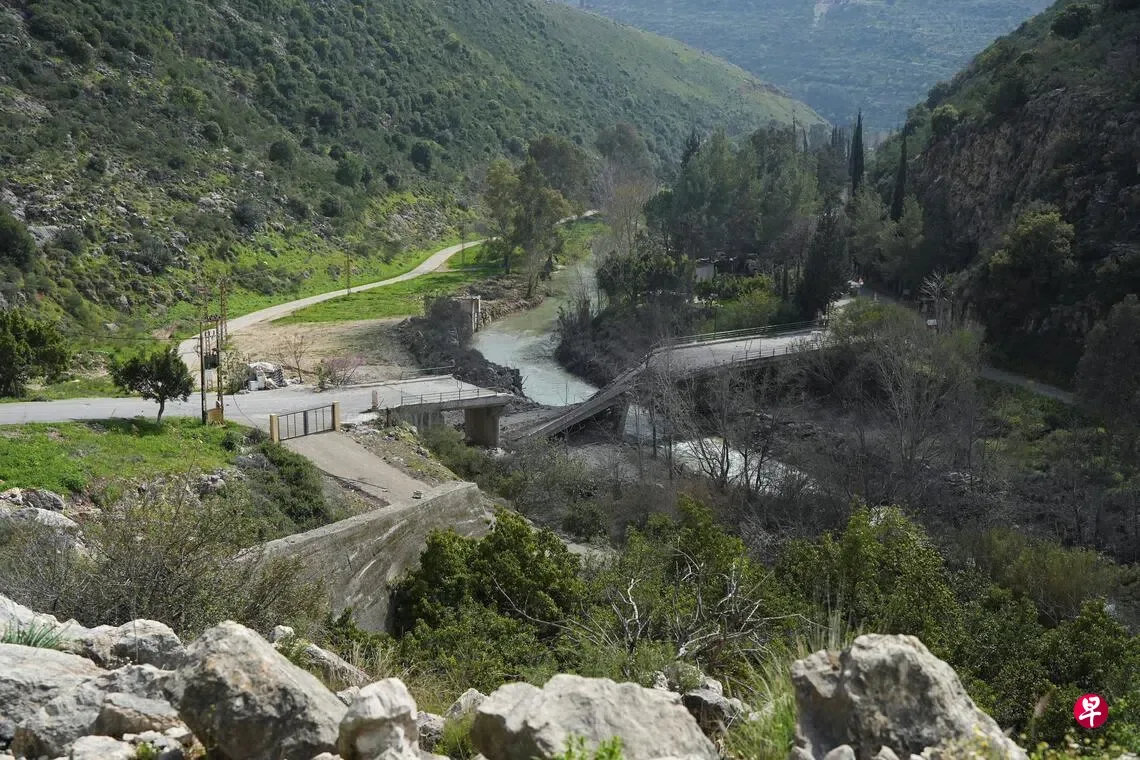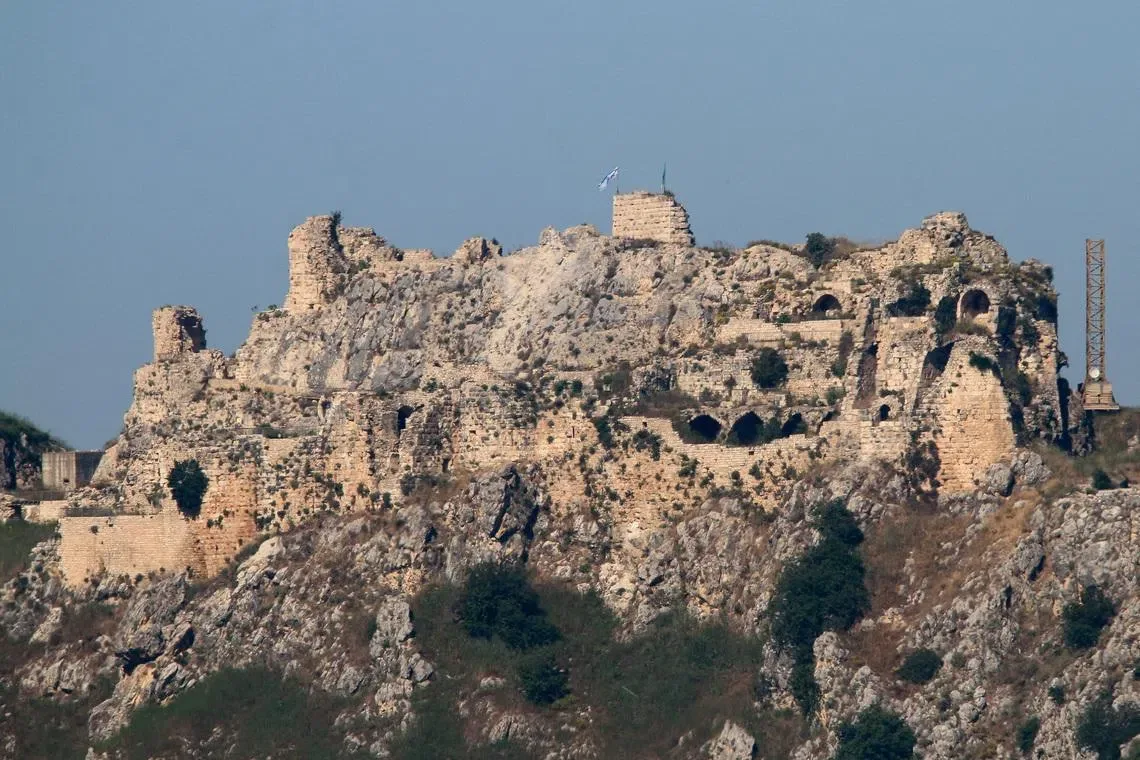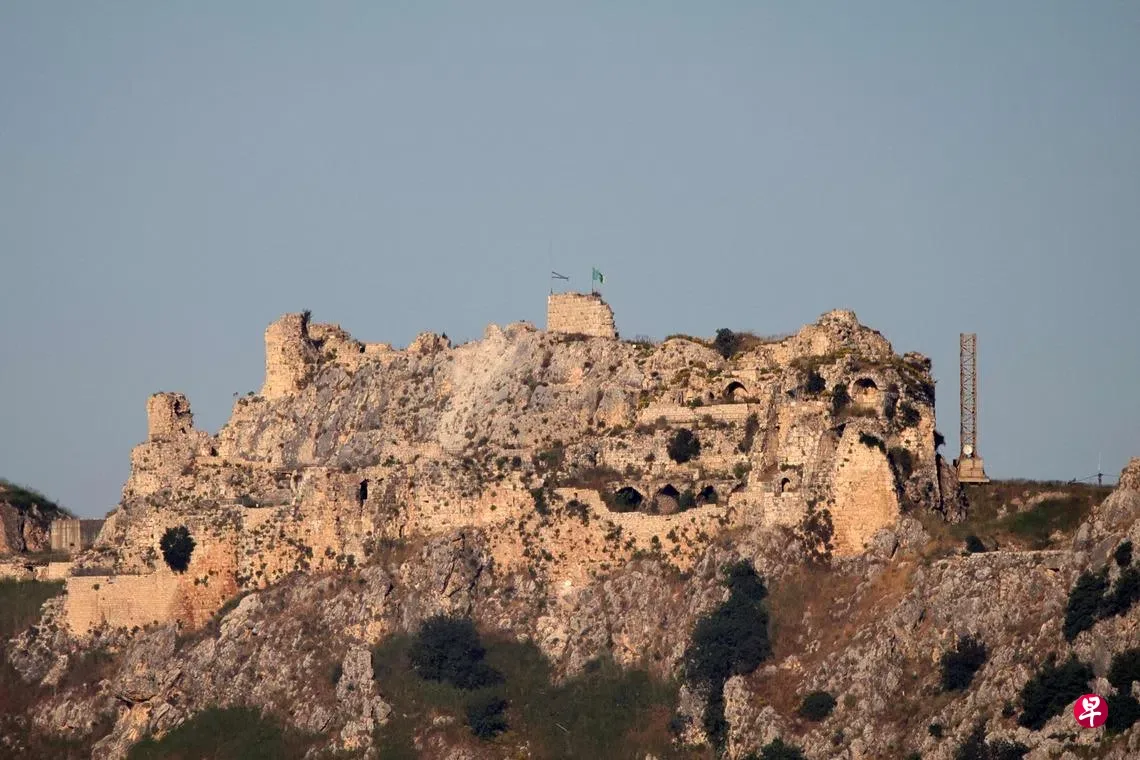
Israeli Defence Forces (IDF) crossed the Litani River and advanced into southern Lebanon, expanding ground operations beyond previous boundaries [1, 2, 3, 4]. On May 31, the IDF captured the medieval Beaufort Castle (Qalaat al-Shakif), a strategic fortress overlooking the river, and raised the Israeli flag atop it [5, 4, 6, 7, 8, 9].
Prime Minister Benjamin Netanyahu called the capture a "dramatic stage" and a "dramatic change" in policy. He described it as a symbol of a "heroic battle from 44 years ago" and said, "We have broken the barrier of fear. We are taking the initiative, we are operating on all fronts - in Syria, in Gaza, in Lebanon." He added, "Now my directive is to deepen and expand our hold in places that were under Hezbollah’s control" [1, 5, 4, 10, 8, 9].
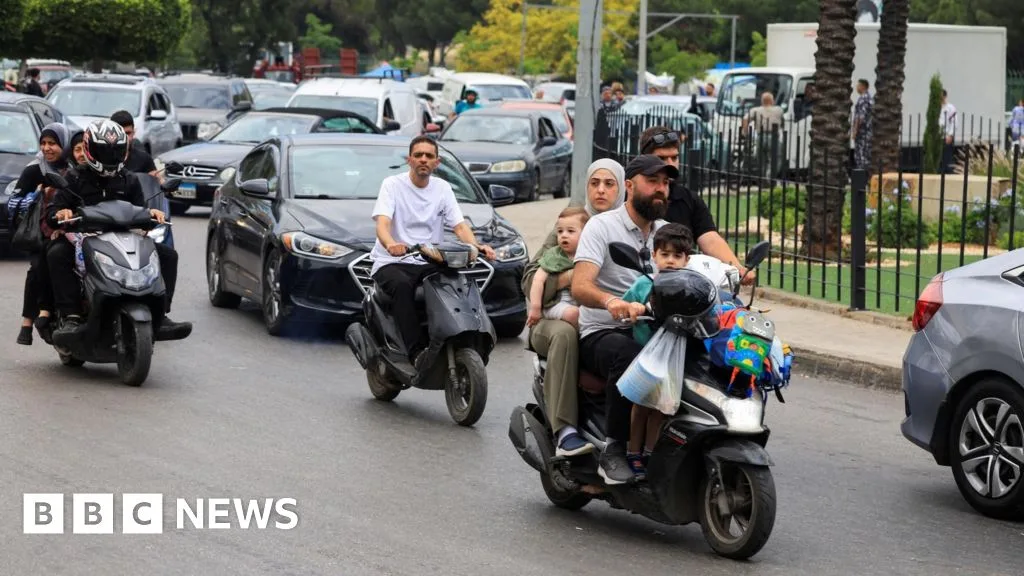
Israel designated areas south of the Zahrani River, approximately 40 km from the Israeli border, as combat zones and issued evacuation orders to civilians there [1, 2, 11]. Defence Minister Israel Katz vowed to control the Litani area militarily and said, "The Dahiyeh in Beirut is no different from the communities in northern Israel. If there is no calm in the north, there will be no calm in Beirut." He also recalled, "Forty-four years after the heroic Battle of Beaufort...our troops have returned to the summit of Beaufort and once again raised the Israeli flag there" [5, 11].
The Israeli military said its campaign to crush Hezbollah remains ongoing with operations on multiple fronts, including Lebanon, Syria, and Gaza [1, 12, 5, 11]. Hezbollah claimed to continue attacks near the border and around Beaufort Castle, though it stated it had no military presence inside the castle when Israeli forces took control [4, 6, 7, 8].
Fighting since hostilities renewed on March 2 has killed at least 3,300 people in Lebanon, according to the Lebanese Health Ministry, with 25 Israeli military personnel (24 soldiers, one civilian contractor) also killed [12, 2, 3, 5, 10]. Lebanese Prime Minister Nawaf Salam accused Israel of a "scorched-earth policy and collective punishment," while European and French leaders condemned Israel’s expanded ground operations and called for a halt to fighting [1, 12, 10]. French Foreign Minister Jean-Noël Barrot said, "Nothing can justify the prolongation of [Israel's] military operations in Lebanon and its increasingly deep occupation of Lebanese territory" [1].
The United States has hosted talks between Israeli and Lebanese officials to reduce hostilities and implement the US-brokered ceasefire from April 16, which has been frequently violated by both sides [12, 2, 3].
Israeli Defence Minister Katz announced on June 1 continued strikes in Beirut suburbs and declared the Litani River area under Israeli military control, demanding Hezbollah cease attacks [11]. The conflict remains intense with evacuation orders still active in the designated combat zones south of the Zahrani River.