Israeli naval forces intercepted the Global Sumud Flotilla, comprising more than 50 boats, in international waters west of Cyprus on May 18-19, 2026, as it sailed toward Gaza to deliver humanitarian aid amid ongoing hardship despite a ceasefire since October 2025 [1, 2, 3].
About 430 activists from approximately 40-41 countries were detained and transferred into Israeli custody following the interception [4, 2, 5, 6, 3]. The flotilla had departed southern Turkey on May 14 and May 18 in its latest attempt to break Israel’s naval blockade of Gaza [1, 2, 5, 6].
Israel regards the maritime blockade as lawful and maintains that Gaza continues to receive aid, describing the flotilla as linked to provocation by violent groups [1, 2]. After detention, the activists were held in harsh conditions in Israeli port facilities and the Ketziot prison, with some forced into shipping containers surrounded by barbed wire [2, 7, 8].
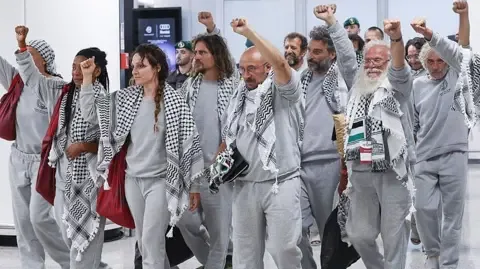
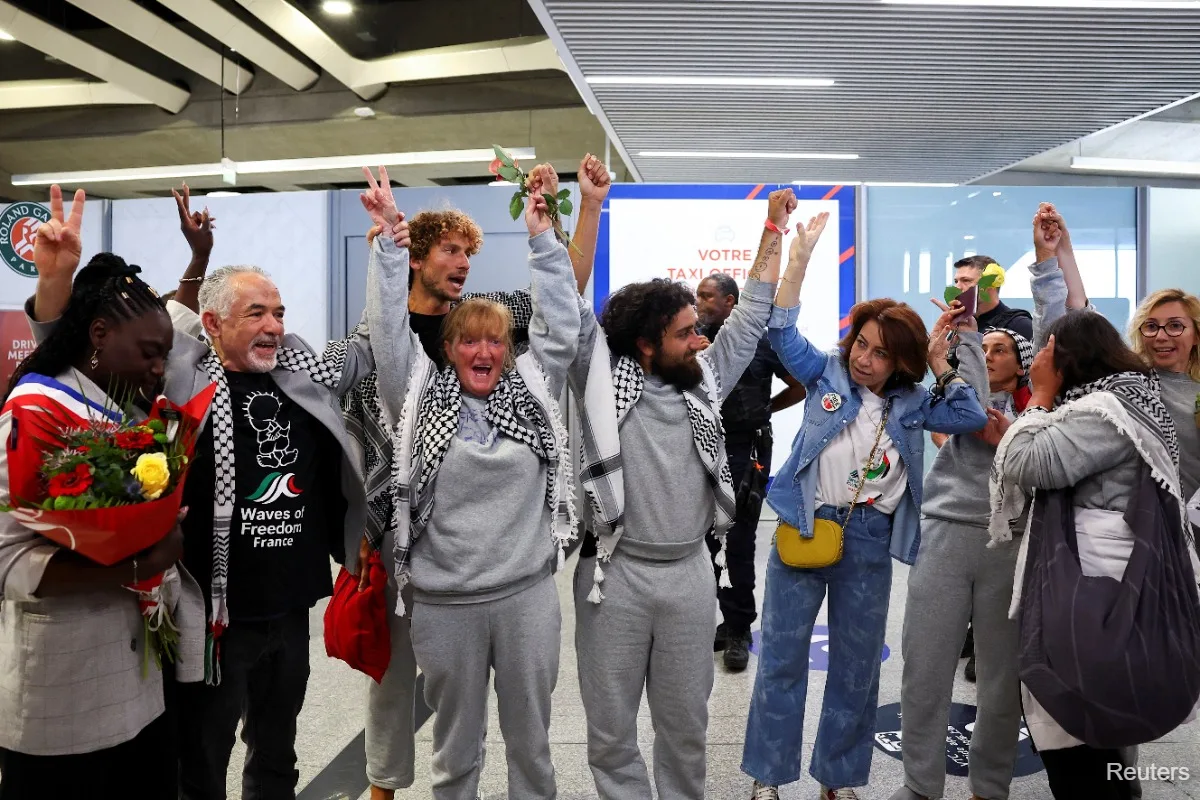
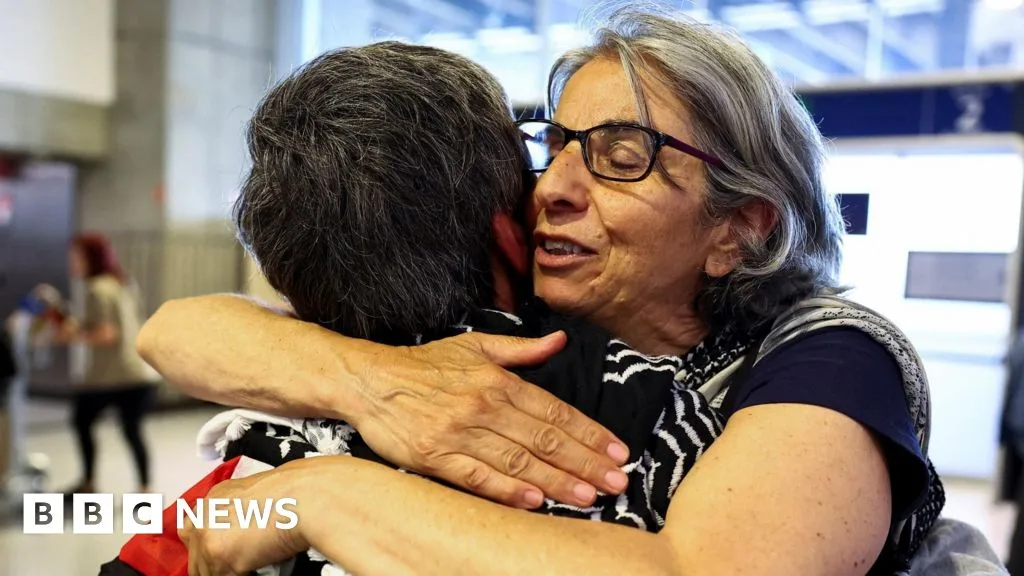
Some activists have been deported from Israel, with initial groups arriving in Turkey and others returning to home countries including Australia and European nations [5, 6, 9, 3]. Among deportees were 85 Turkish and 44 Spanish nationals [5, 6, 3].
Activists have publicly alleged widespread abuse during detention, including beatings, sexual assaults (at least 15 reported cases of rape and other assaults), humiliations, and denial of access to lawyers [4, 7, 10, 11, 8, 9]. Australian activist Violet CoCo described "a state of different styles of torture" with constant psychological torment [9]. Turkish detainee Bulal Kitay said Israeli forces beat men and women alike, reflecting what Palestinians endure regularly [3].
Israel’s prison service and military firmly deny all abuse accusations, stating detainees were held lawfully with full respect for rights and received medical care as required. A prison service spokesperson called the allegations "false and entirely without factual basis" [7].
The treatment of detainees has drawn condemnation internationally. Canadian Foreign Minister Anita Anand said Canada "unequivocally condemns the grave mistreatment" of Canadians and demanded accountability [4]. Countries including Germany, Spain, Italy, and Australia have confirmed their nationals were among detainees, some injured, and launched investigations with diplomatic pressure underway [4, 7, 10, 8, 9, 3, 12].
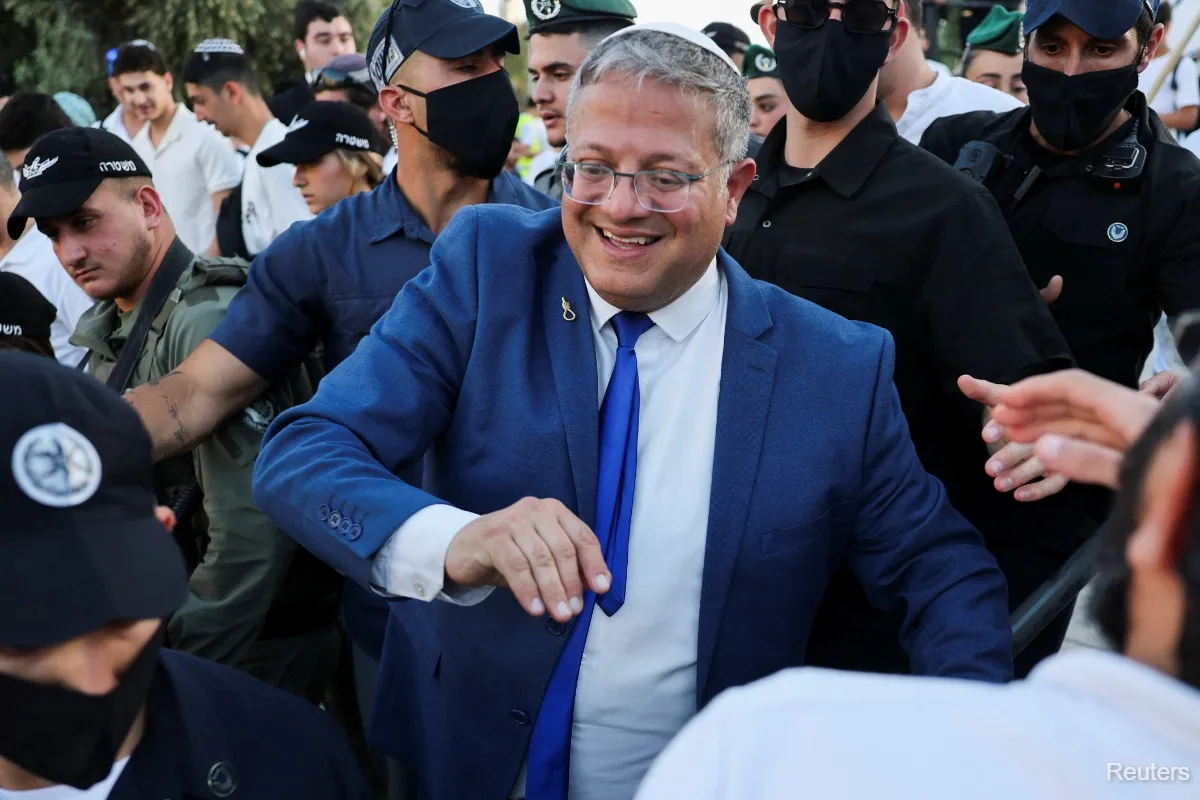
Israeli far-right national security minister Itamar Ben-Gvir posted videos mocking the detained activists, provoking international outrage and calls for sanctions [5, 6, 7, 10, 11, 8, 3].
On May 21, Israel released activists from prison and announced their deportation efforts to Turkey and their home states [5, 6, 3]. By May 22, activists began arriving home, sharing detailed allegations of torture and abuse while Israeli authorities rejected the claims [7, 10, 11, 8, 9, 3, 12].
Australian activists who returned home on May 25 publicly detailed their experiences of torture and sexual abuse, seeking political attention and support [9].