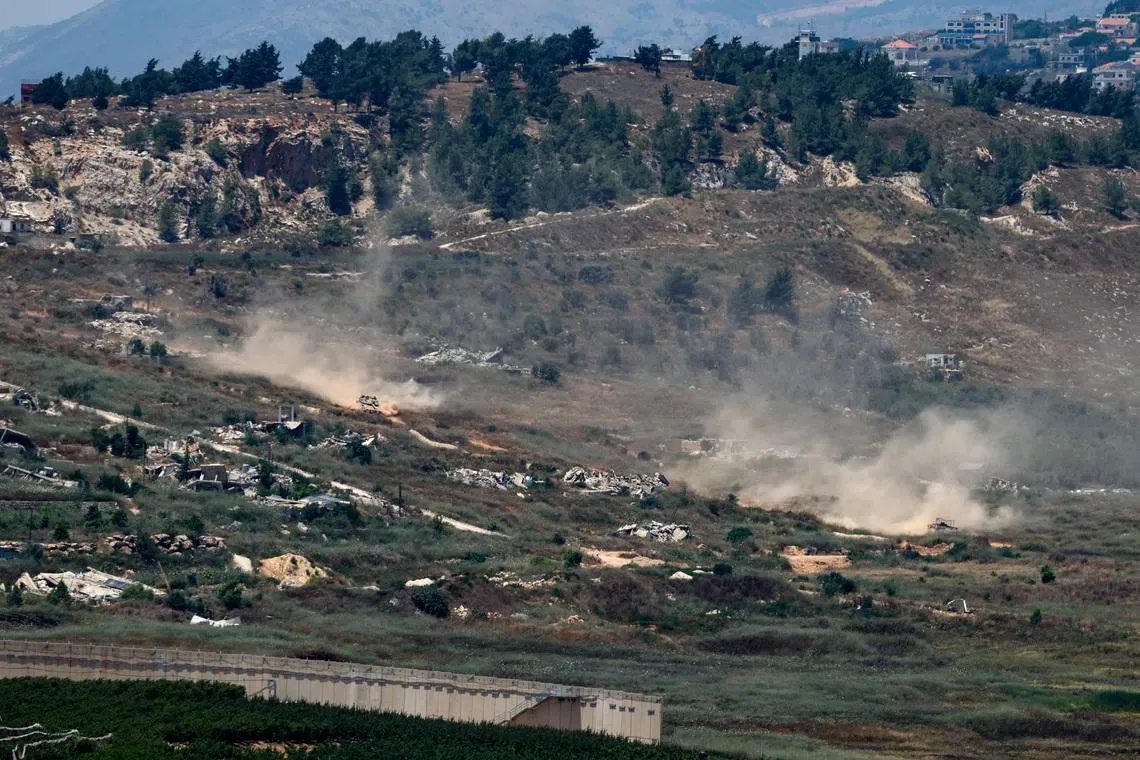
Lebanon and Israel signed a US-brokered framework security agreement on June 26 designed to pave the way toward peace and the disarmament of Hezbollah. [1, 2, 3] The deal calls for a phased Israeli withdrawal from parts of southern Lebanon and Lebanese army deployment, but permits Israel to keep an expanded security zone until Hezbollah fully disarms. [4, 1, 2]
Hezbollah leader Naim Qassem dismissed the agreement as "null and void" and a "surrender of sovereignty," demanding Israel's unconditional withdrawal from all Lebanese territory. He stated, "Israel has no option but to withdraw completely from every inch of our Lebanese land. Israel must leave unconditionally." [4, 1, 5, 6, 2, 3] Hezbollah lawmaker Hassan Fadlallah called the deal an "agreement of humiliation and disgrace" and predicted it would not be implemented, warning it could provoke internal conflict in Lebanon. [7]
Lebanon's Parliament Speaker Nabih Berri, an ally of Hezbollah, condemned the deal as "dictates" that risk driving the country toward internal division, and he said it would not be implemented. [8] Analysts and Lebanese politicians widely view the condition linking Israeli withdrawal to Hezbollah's disarmament as unattainable. [9]
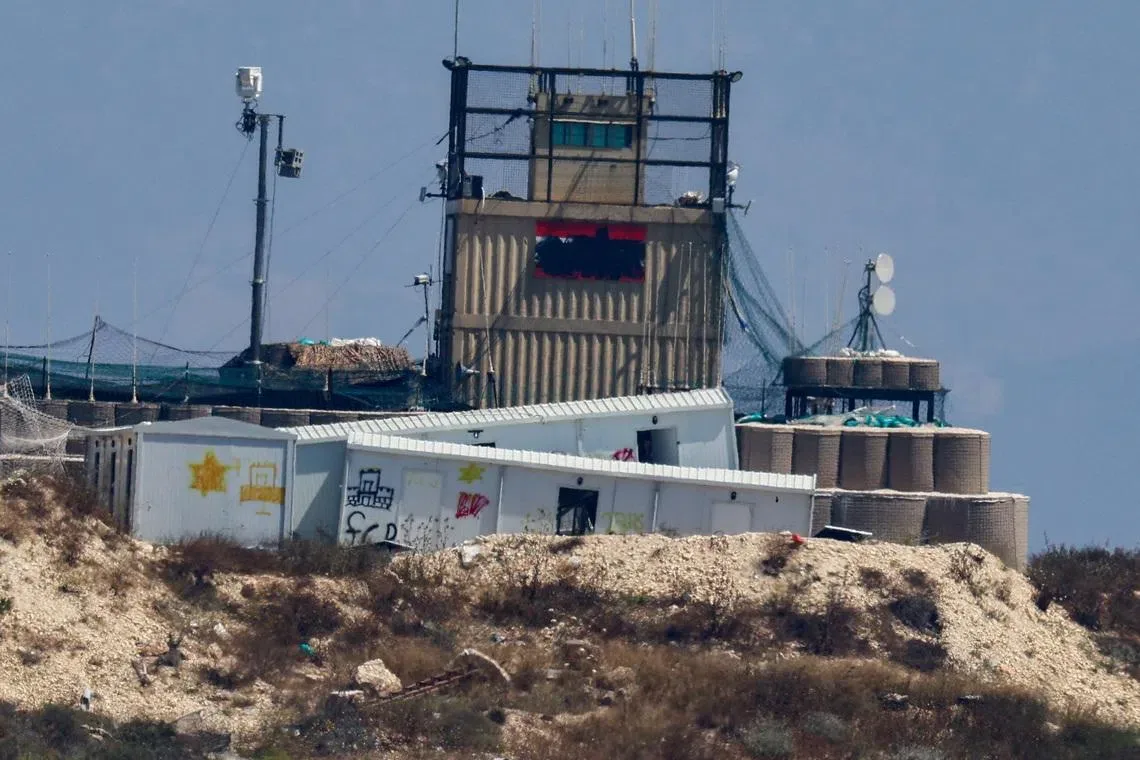
Israel's Defence Minister Israel Katz stated Israeli forces would prepare for an extended presence in southern Lebanon until Hezbollah is disarmed. Katz said, "There will be no redeployment by Israel in southern Lebanon, no withdrawal, as long as the terrorist organisation Hezbollah is not disarmed throughout Lebanon." [1, 3] Israeli Prime Minister Benjamin Netanyahu welcomed the deal as a blow to Iran and Hezbollah. Netanyahu asserted, "Both the US and Lebanon have recognised Israel’s right to maintain a security zone inside Lebanon for as long as it remains necessary to safeguard our security." [1, 3]
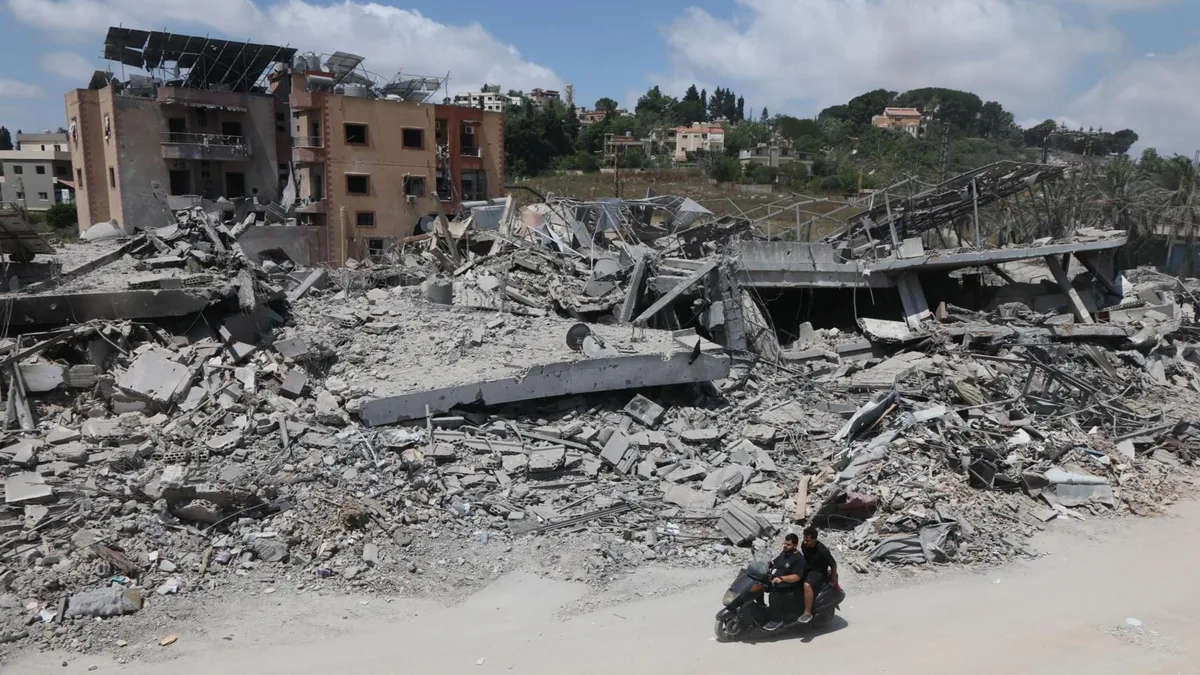
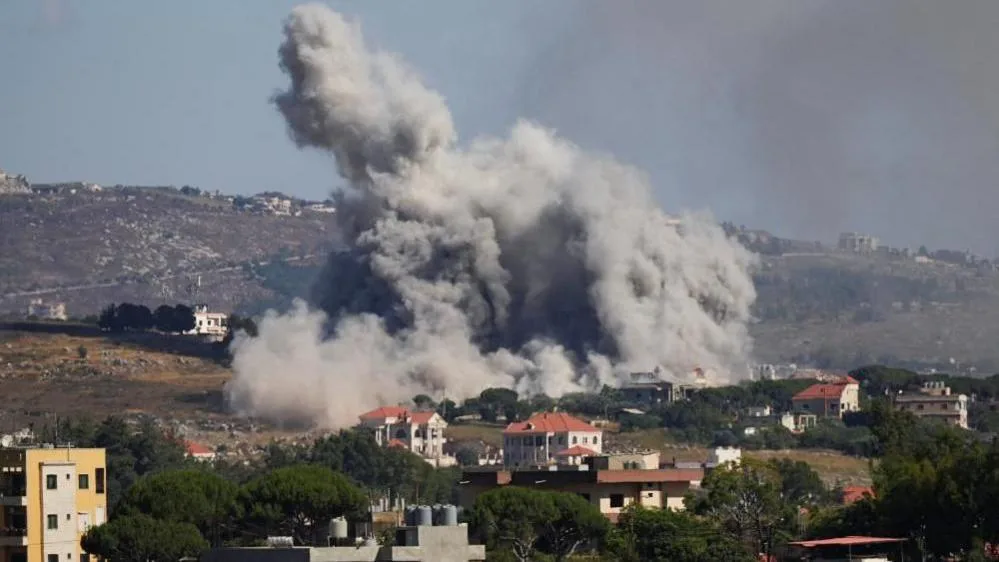
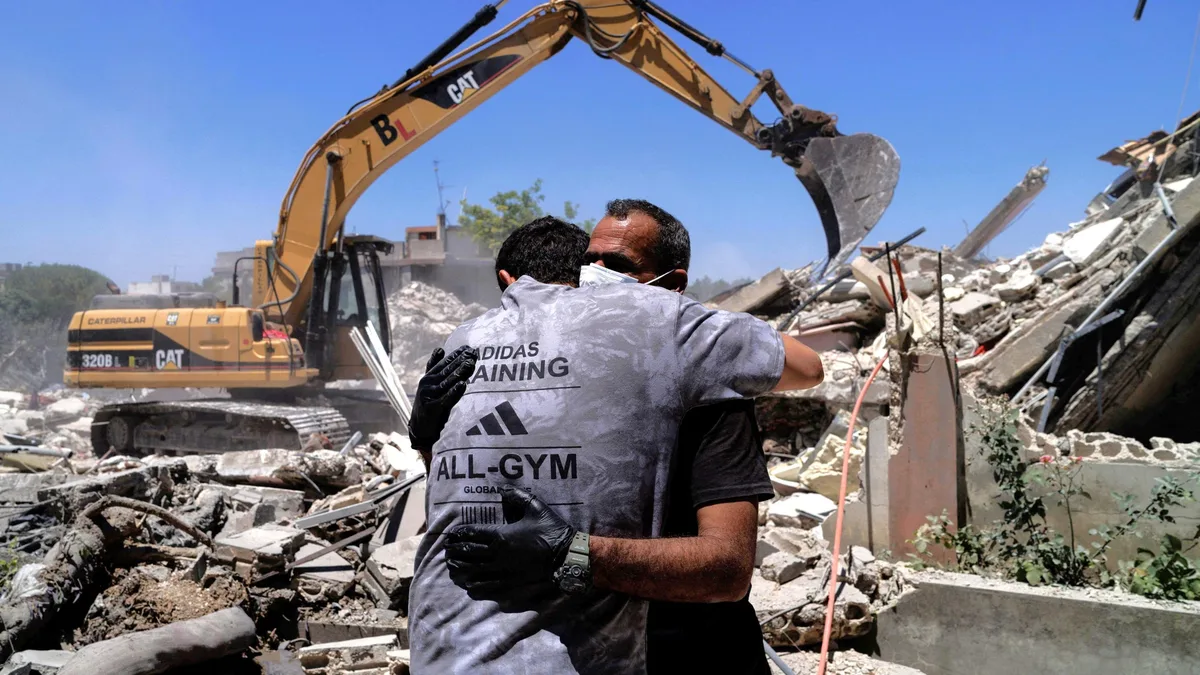
Violence has continued despite the ceasefire over the past week. On June 23 or 24, Israeli troops killed two men near Nabatieh al-Fawqa in southern Lebanon while they were clearing roads, a move condemned by Hezbollah as a blatant ceasefire violation. Hezbollah has not confirmed immediate retaliation. [10, 11] Israeli forces have continued attacks targeting Hezbollah militants and rocket launchers in southern Lebanon in late June. [10, 7, 11, 2]
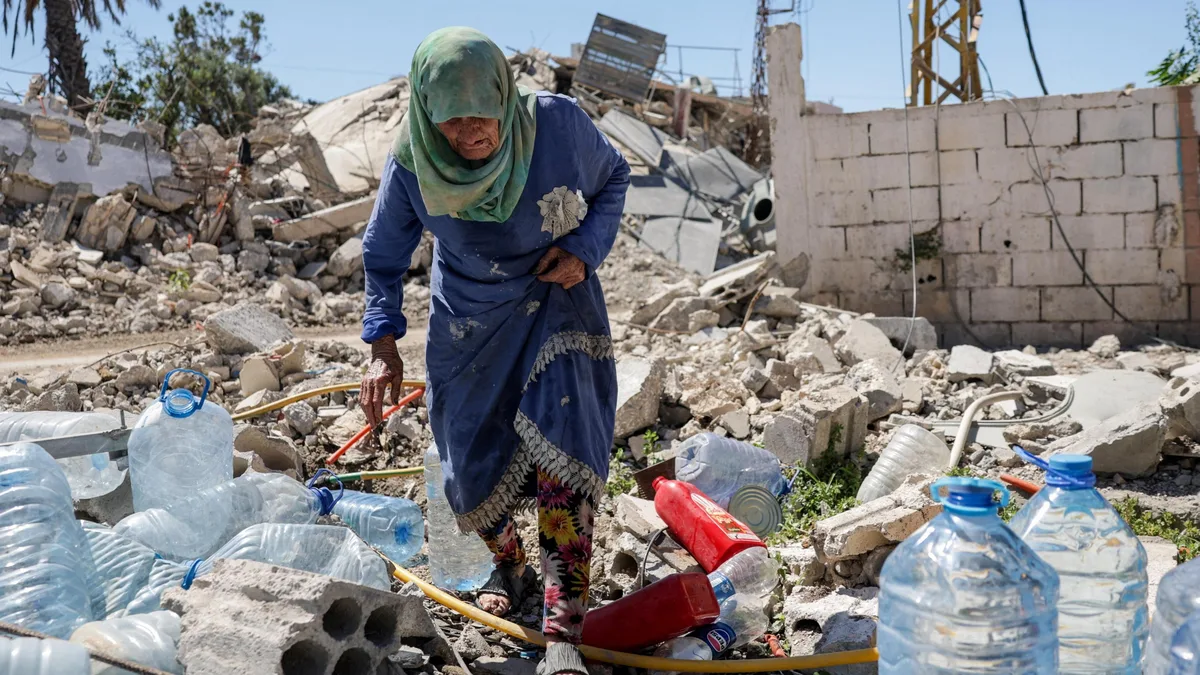
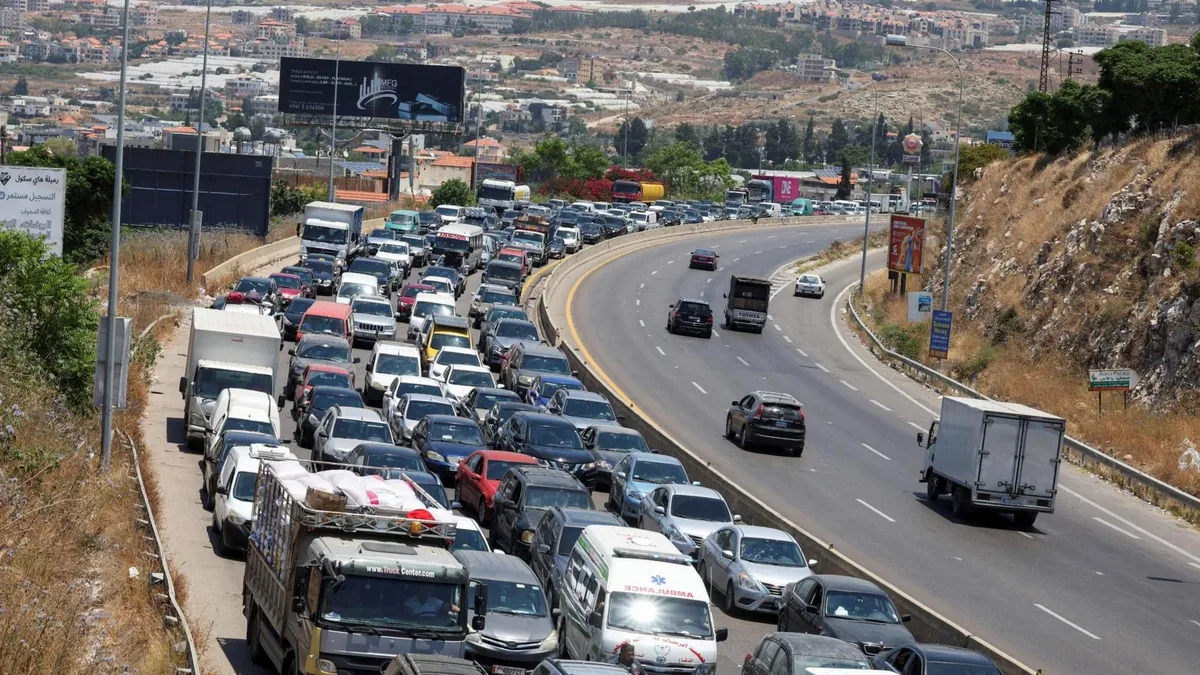
The ongoing conflict, which started on March 2, has displaced over 1.2 million people in Lebanon and caused thousands of casualties. [4, 11]
Lebanese Parliament Speaker Nabih Berri criticized the US-brokered deal on June 29, reiterating doubts over its implementation. [8] The security agreement remains deeply contentious as Lebanese factions reject the conditions and Israel prepares for a prolonged military presence in the south. [1, 8]