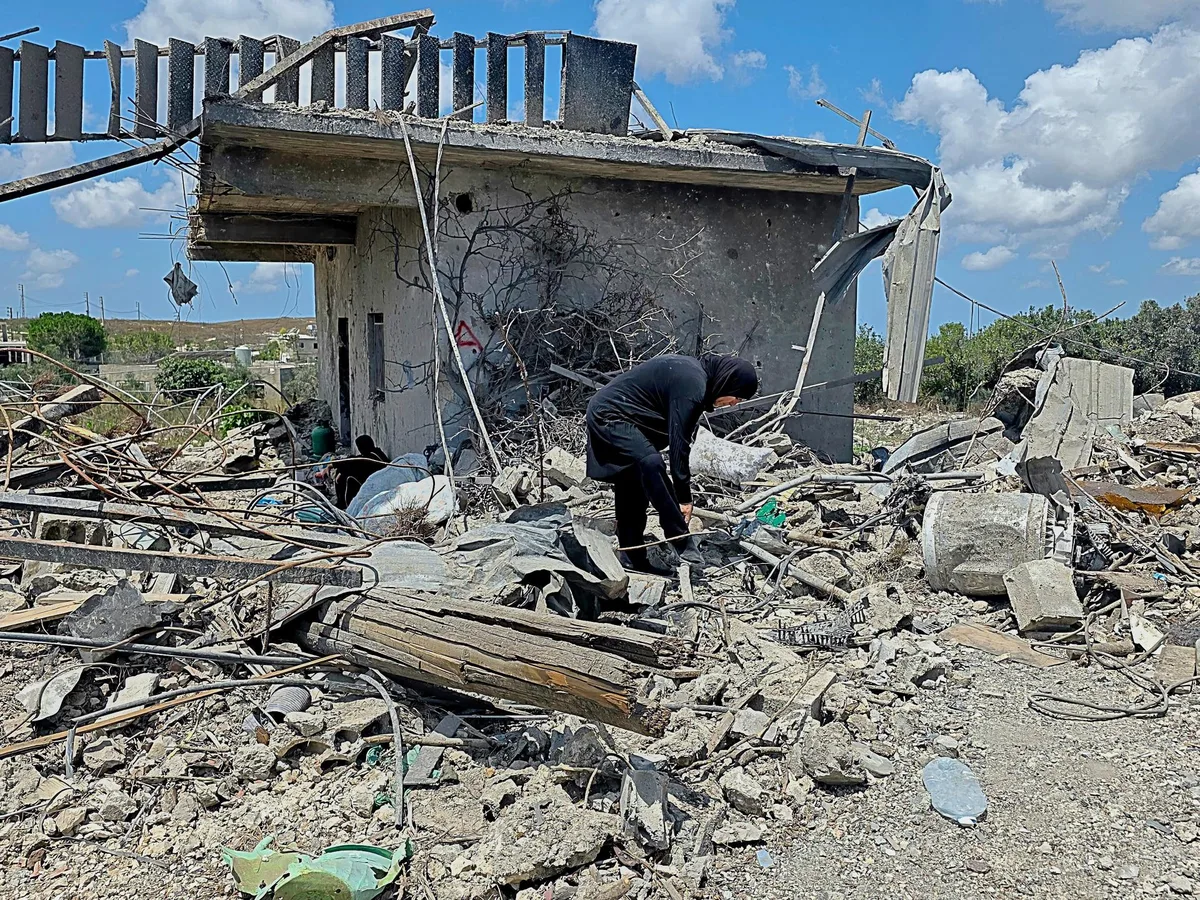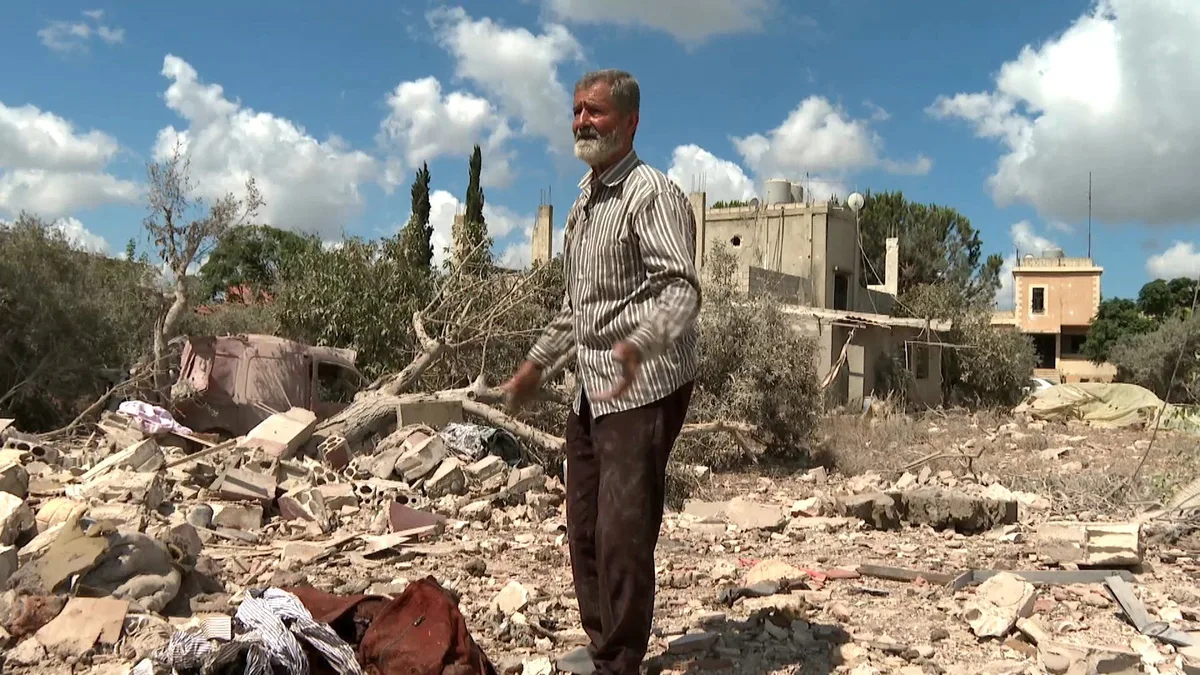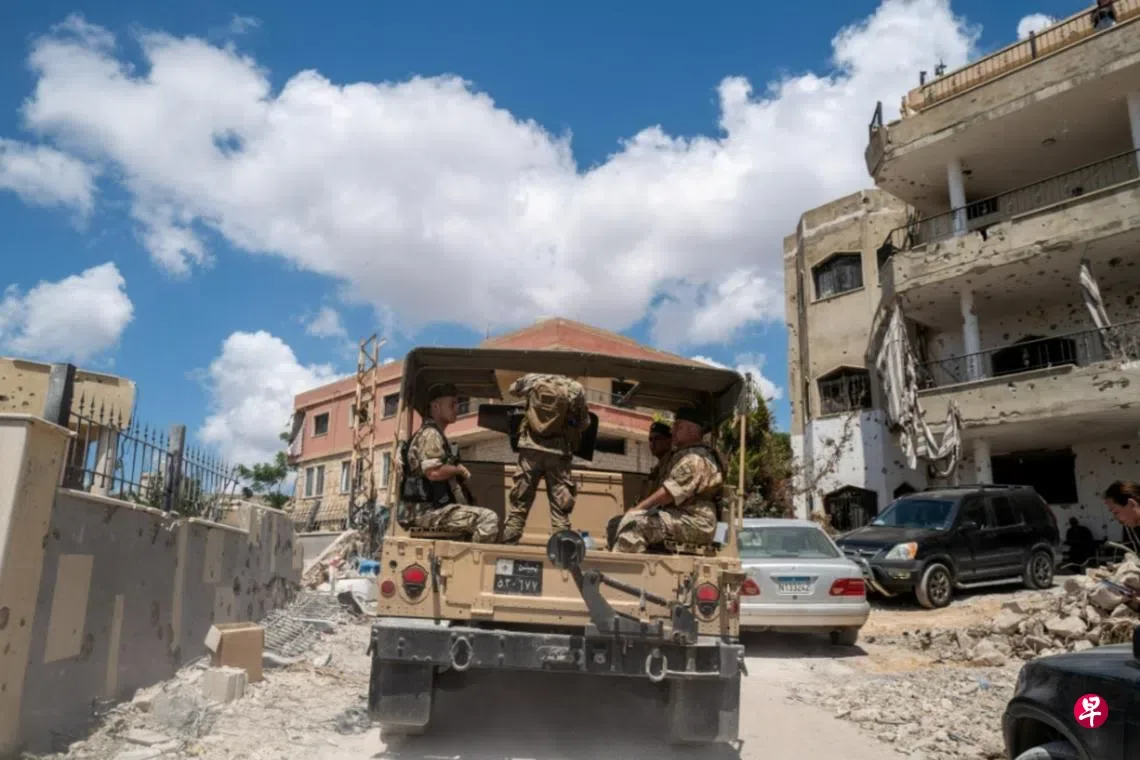
The Lebanese army said Israeli forces violated agreements by obstructing military deployments in southern Lebanon's pilot zones through shelling, bulldozing homes, and destroying infrastructure like water projects and ancient olive trees [1, 2, 3, 4, 5].
Three villages—Zawtar al-Gharbiya, Froun, and Srifa—were designated as pilot zones for phased Israeli withdrawal under a US-mediated framework signed on June 26, 2026 [1, 2, 4, 5, 6]. On July 21, Lebanese troops began deploying to Zawtar al-Gharbiya following Israeli withdrawal there, marking the first phase of implementation [1, 2, 4, 5, 6].
Despite the agreement, Israeli forces maintained military operations including artillery shelling, drone strikes, bulldozing, machine-gun fire, and demolitions across southern Lebanese areas such as Nabatieh, Bint Jbeil, Tyre, Marjayoun, and nearby villages from late July onward [2, 4, 7, 8, 5, 6]. Israeli drones also flew over Beirut and its southern suburbs repeatedly during this period, violating the framework [7, 5, 6].
The Lebanese army said, "The continuation of these assaults hinders the completion of the army’s deployment … and prevents the return of residents to their villages and towns" [2]. Israeli military actions damaged homes, agricultural lands including ancient olive groves, and water infrastructure, blocking displaced residents from returning [1, 2, 4, 5].
Since March 2, 2026, official Lebanese figures put deaths from Israeli attacks at around 4,332-4,333, with about 12,236 injured [4, 7, 8, 5, 6]. Israeli forces advanced more than 10 kilometers into Lebanese territory during the continuing 2026 offensive despite the withdrawal deal [7, 5, 6].
The framework agreement links the full Israeli withdrawal to the Lebanese army assuming security control and disarming armed groups including Hezbollah, which has rejected the deal and demands unconditional Israeli exit [2, 8, 6]. The next phase depends on halting hostilities and securing conditions for further Lebanese deployments.