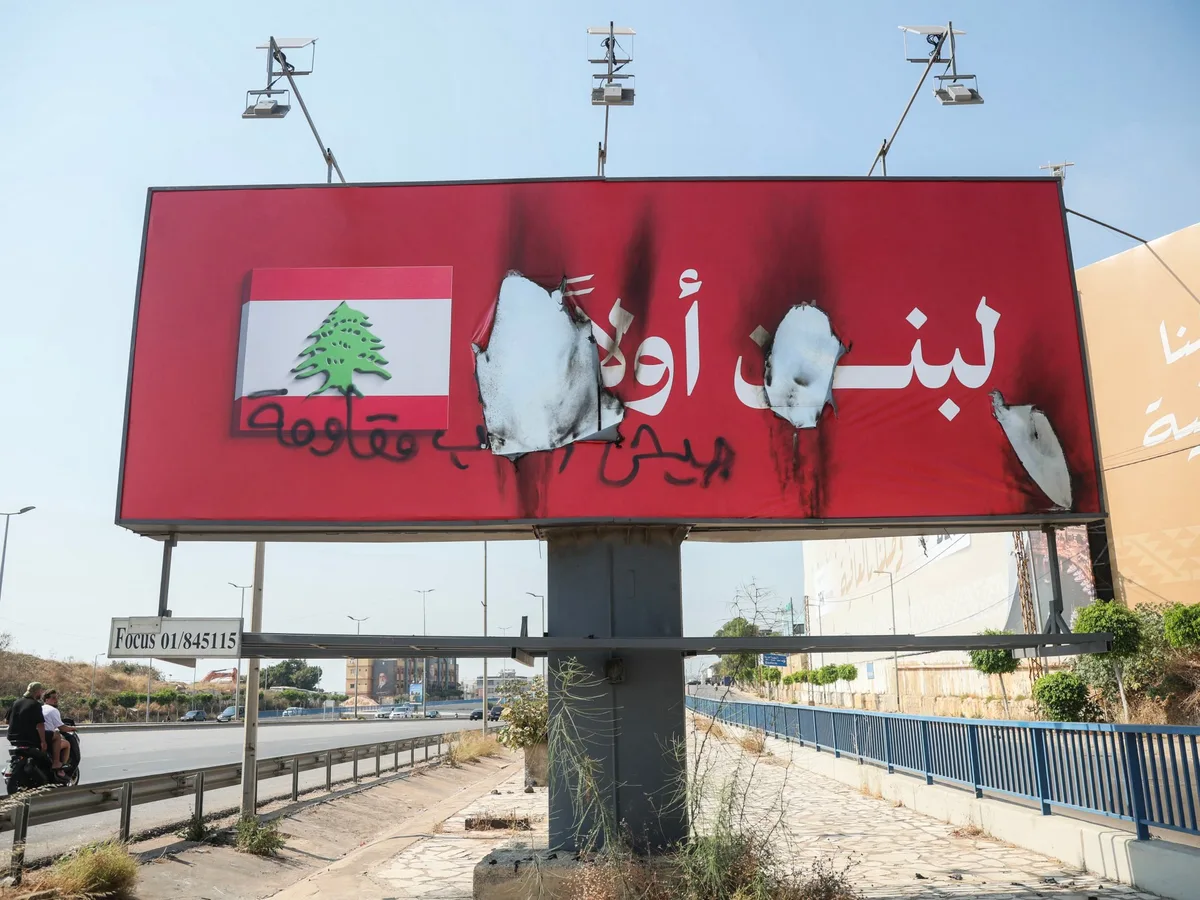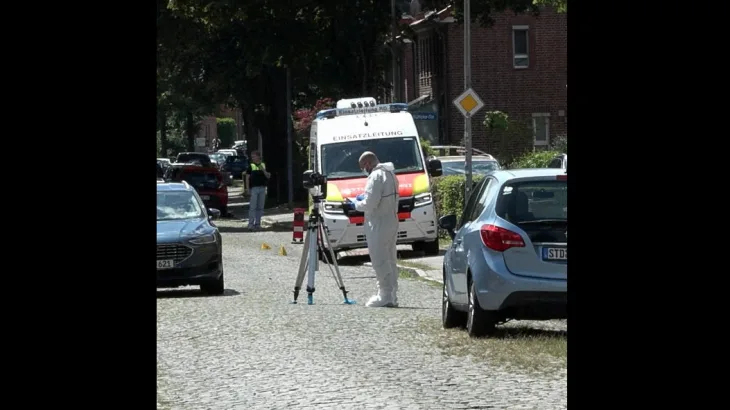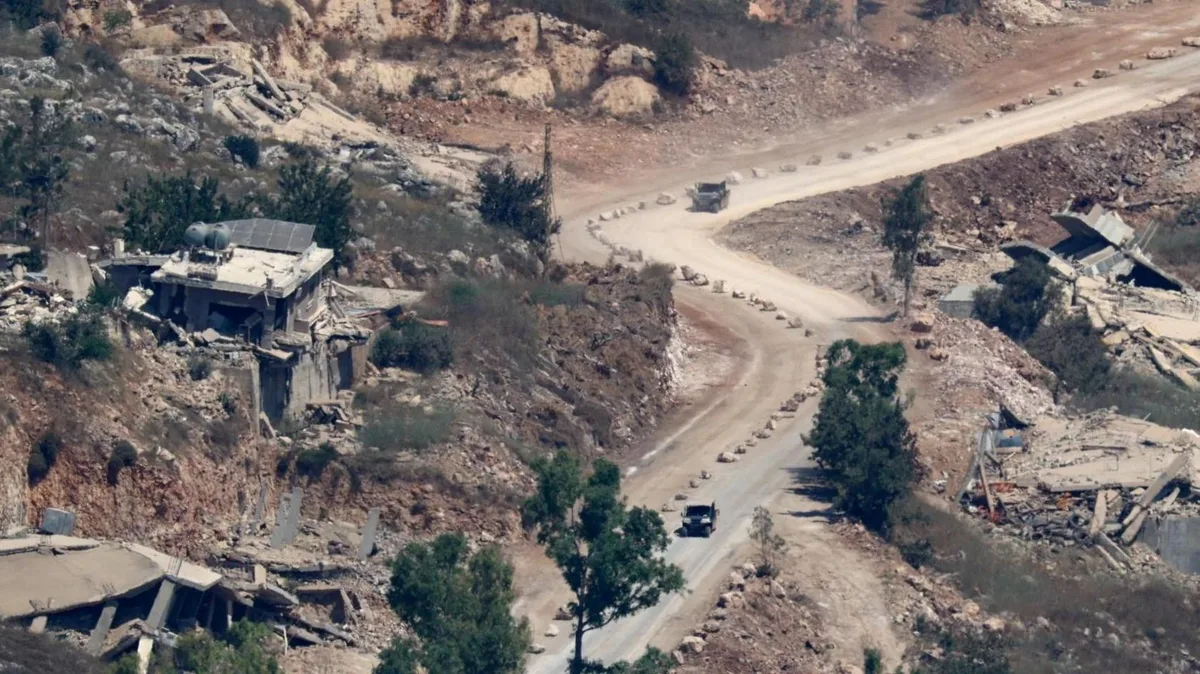
Israel launched drone strikes and air raids in southern Lebanon, targeting areas including Nabatieh al-Fawqa and killing one person while injuring others on June 27 and 28, 2026 [1, 2, 3, 4, 5]. The strikes came within days of a framework agreement signed in Washington on June 26, designed to facilitate Israeli withdrawal from southern Lebanese territory and ease conflict tensions [1, 2, 3, 4, 5].
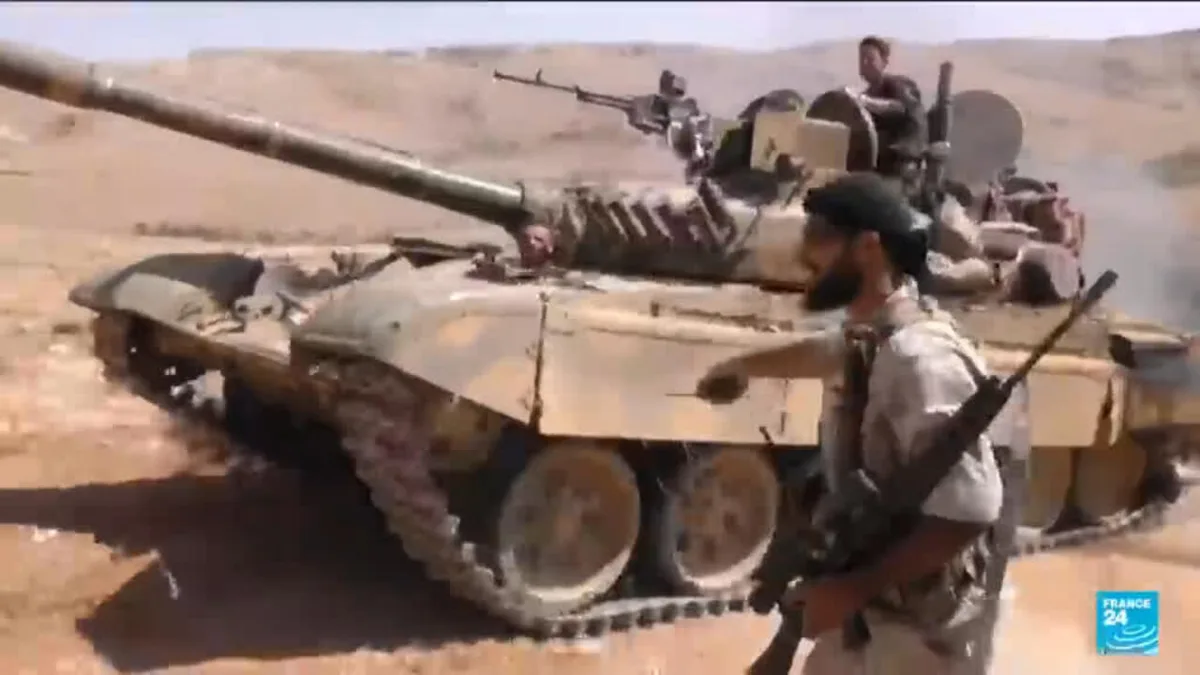
The Israeli military said the drone strike targeted an individual deemed a threat to its forces [1]. Israeli forces also advanced near Kfar Shouba and used heavy weapons in combat operations against Hezbollah positions [3]. On June 28, Israeli warplanes struck near Deir Seryan and Taybeh, and drones flew over Beirut's southern suburbs; homes were destroyed and set on fire in Khiam [5].
Israeli Defence Minister Israel Katz stated that Israeli troops were ordered to prepare for an extended deployment in an expanded security zone up to 10 km inside Lebanon, linked to efforts to disarm Hezbollah [1, 2]. Despite the ceasefire framework, combat continued: Captain David Hazutt was killed and another soldier wounded on June 28 during fighting in southern Lebanon [2].
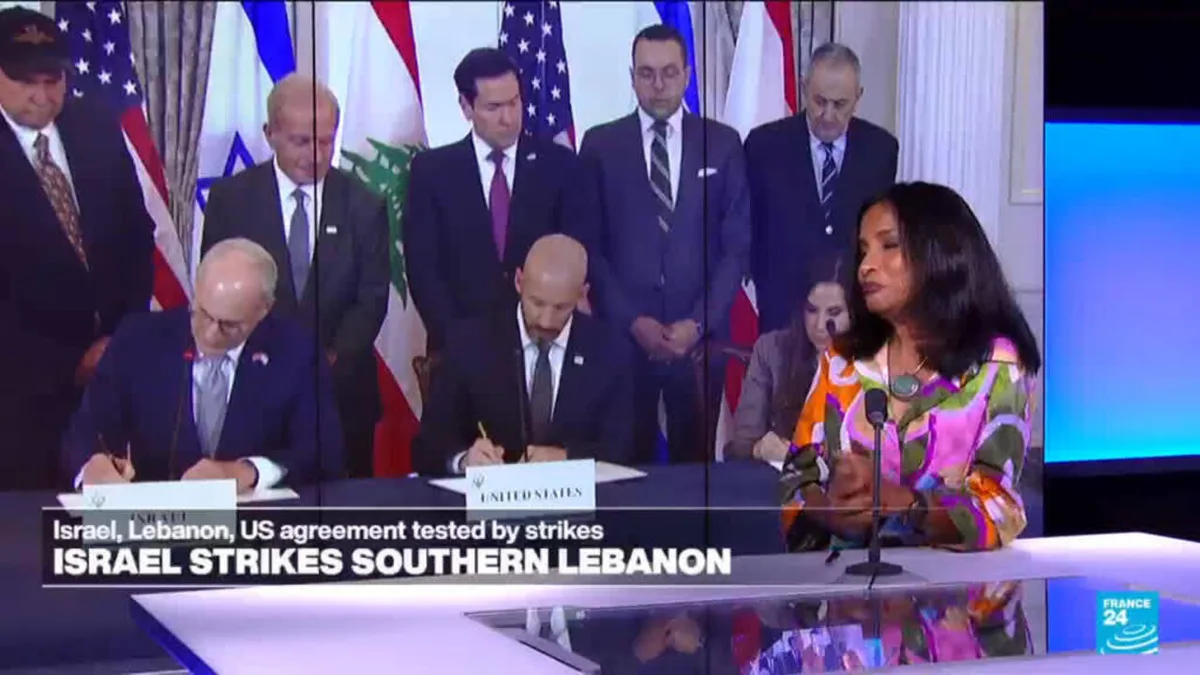
The agreement signed June 26 calls for Israel’s phased withdrawal from the South Litani area, with the Lebanese army taking control of vacated zones while Israel maintains the expanded security zone [1, 2, 3]. Israeli Prime Minister Benjamin Netanyahu called it "historic and a blow to Iran and Hezbollah" [1]. Meanwhile, Lebanese Prime Minister Nawaf Salam said the deal "aims to achieve Israel’s withdrawal from all Lebanese territories" [2].
Hezbollah leader Naim Qassem rejected the agreement, calling it "humiliating, shameful, and a surrender of sovereignty" and vowed to continue armed resistance [1, 2]. Far-right Israeli factions were also skeptical about the deal’s durability [1, 2].
Since the conflict began on March 2, 2026, over 4,246 people have been killed in Lebanon, 12,190 injured, and more than 1 million displaced according to Lebanese health ministry figures [1, 3, 5]. Israel has lost 36 soldiers and 4 civilians in the fighting [1].
Israeli officials have described continued operations as within the ceasefire framework, but violence persists as both sides carry out military actions [2]. The next steps involve the phased withdrawal of Israeli forces and the Lebanese army’s assumption of control in parts of southern Lebanon as stipulated by the agreement [1, 3].