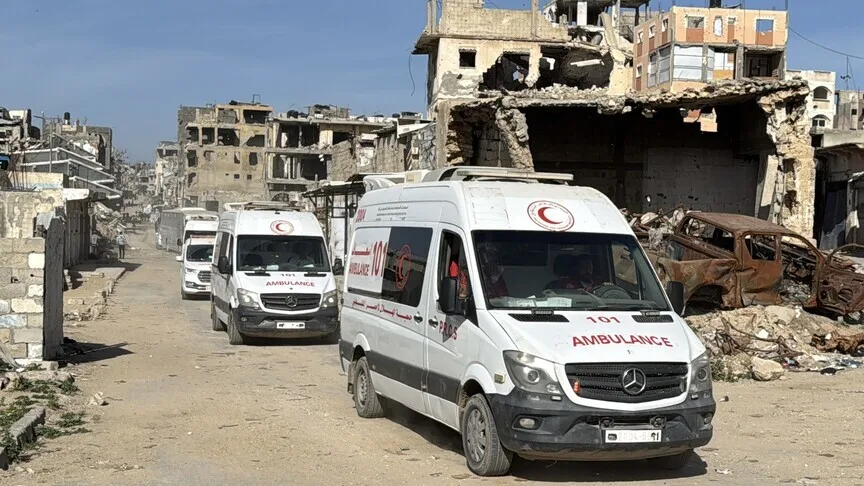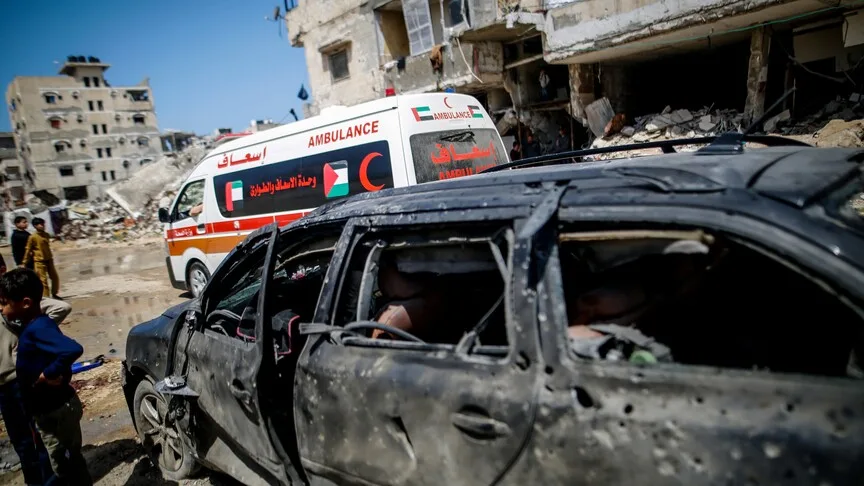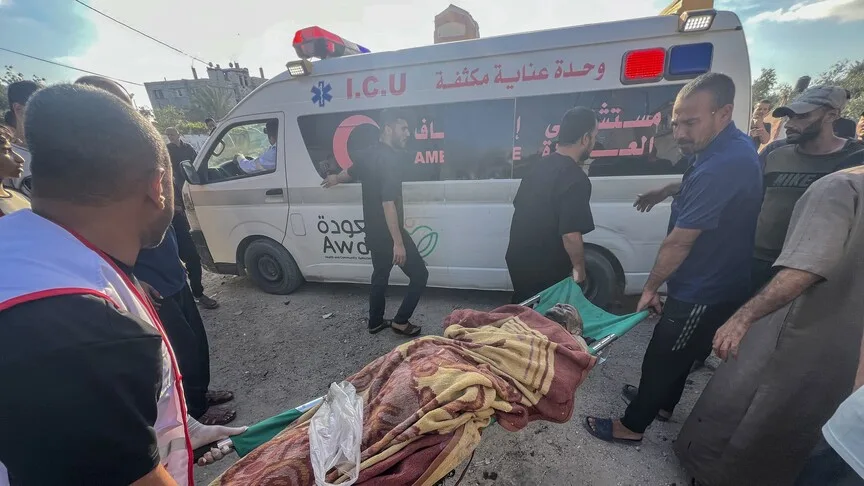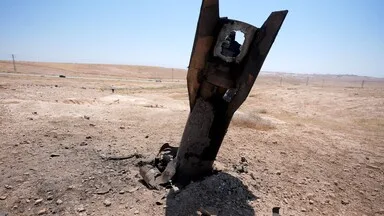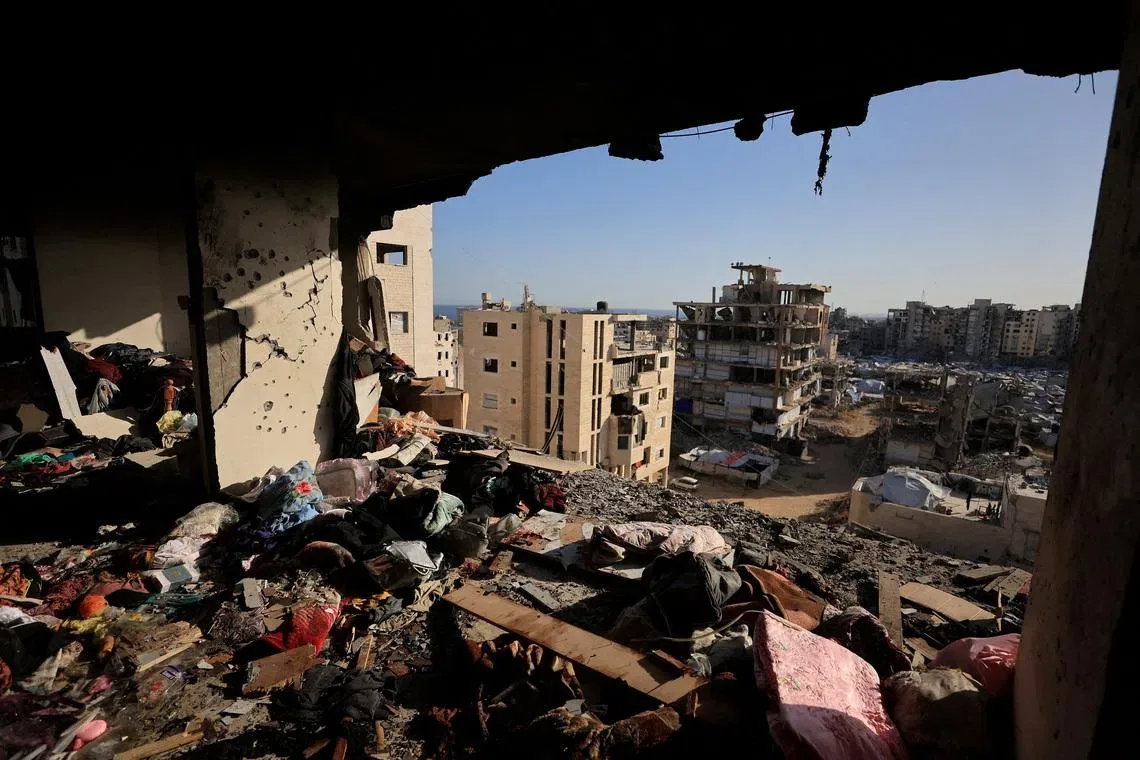
Israeli military strikes killed between two and three Palestinians in the Gaza Strip on June 11, 2026, with sources differing on the exact death toll and casualties that day [1, 2]. Another source reported three Palestinians, including a woman, were wounded but not killed in the strikes [3]. The strikes followed a continuation of ceasefire violations since the ceasefire took effect on October 10, 2025, which has seen at least 981 Palestinians killed and over 3,100 wounded by Israeli fire in Gaza [3, 2, 4].
On the same day, Israeli forces demolished a Palestinian home that was under construction in the occupied West Bank town of Kafr ad-Dik [3]. The next day, Israeli artillery shelled a school sheltering displaced Palestinians in the Jabalia refugee camp, wounding five people [4].
Since October 2023, Israeli strikes have caused extensive destruction and displacement in Gaza, damaging 90% of the enclave’s civilian infrastructure and resulting in approximately 73,000 Palestinian deaths and more than 173,000 injuries [3, 2, 4].
Mediator states including Egypt, Qatar, and Turkey are engaged in talks with Palestinian factions and Hamas to implement the second phase of a Gaza peace plan. The plan hinges on Hamas militants disarming and a partial withdrawal of Israeli troops, but disarmament remains the main sticking point in current ceasefire talks ongoing as of June 11, 2026 [1]. Hussam Badran, a senior Hamas official, said the talks had achieved "real progress" and urged mediators to pressure Israel to stop violating the truce [1].
The ceasefire, which began on October 10, 2025, has repeatedly been breached by Israeli strikes as fighting continues on the ground [1, 3, 2, 4]. The next developments in the peace negotiations are awaited amid continued violence on both sides.