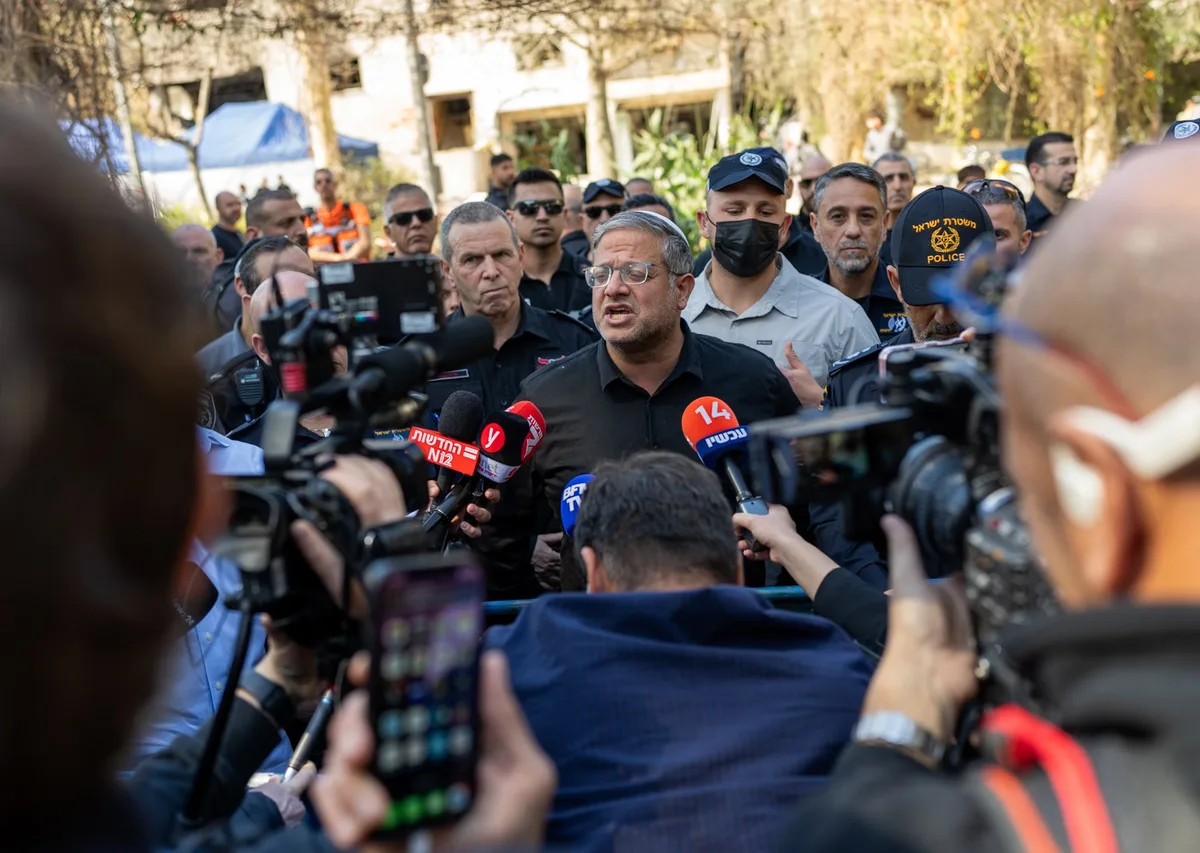
Italian prosecutors placed Israeli National Security Minister Itamar Ben-Gvir under investigation on June 8 for suspected torture and kidnapping related to the detention of activists from the Global Sumud Gaza-bound humanitarian flotilla in late May 2026. [1, 2, 3] The flotilla was intercepted in international waters off Cyprus, where more than 400 activists from over 40 countries were detained by Israeli naval forces. [1, 2, 3]
The investigation focuses on the treatment of Italian citizens among the detainees, amid allegations of torture and kidnapping. [1, 3, 4] Ben-Gvir had posted a widely circulated video showing detained activists kneeling with their hands tied behind their backs and appeared to mock them, sparking international condemnation. [1, 2, 3]
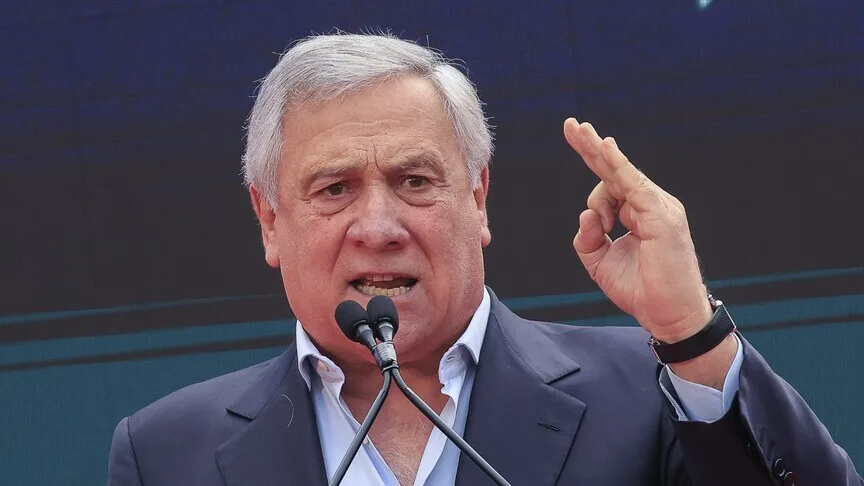
Italy’s Foreign Minister Antonio Tajani condemned Ben-Gvir’s remarks mocking Italy, calling them "unacceptable" and "unworthy of a minister." Tajani said, "Ben-Gvir’s words demonstrate the political and moral level of this gentleman" and reiterated Italy's friendship with Israel and support for freedom and democracy. [5, 4]
In response to the investigation, Ben-Gvir stated, "I will not shy away from one investigation or another and will continue to stand proudly alongside our fighters." He also mocked Italy by calling it "the land of the flip-flop" after referring to Italy's shape as a boot. [1, 2]
Italy has summoned the Israeli ambassador for explanations and urged the European Union to consider sanctions against Ben-Gvir related to the flotilla incident. [1, 2, 5, 4] France opened a similar investigation on June 5 and banned Ben-Gvir from entering French territory. [2, 5, 4]
The Israel Prison Service denied allegations of abuse during the activists’ detention. [2, 4] The EU, whose trade accounted for more than 30% of Israel's total goods trade in 2025, is expected to decide on potential sanctions against Ben-Gvir by June 15, taking into account both the flotilla incident and escalating violence in the occupied West Bank. [2, 5, 4]
The flotilla incident and Ben-Gvir’s public remarks have drawn sharp criticism from European capitals, as legal proceedings and diplomatic responses continue this month.