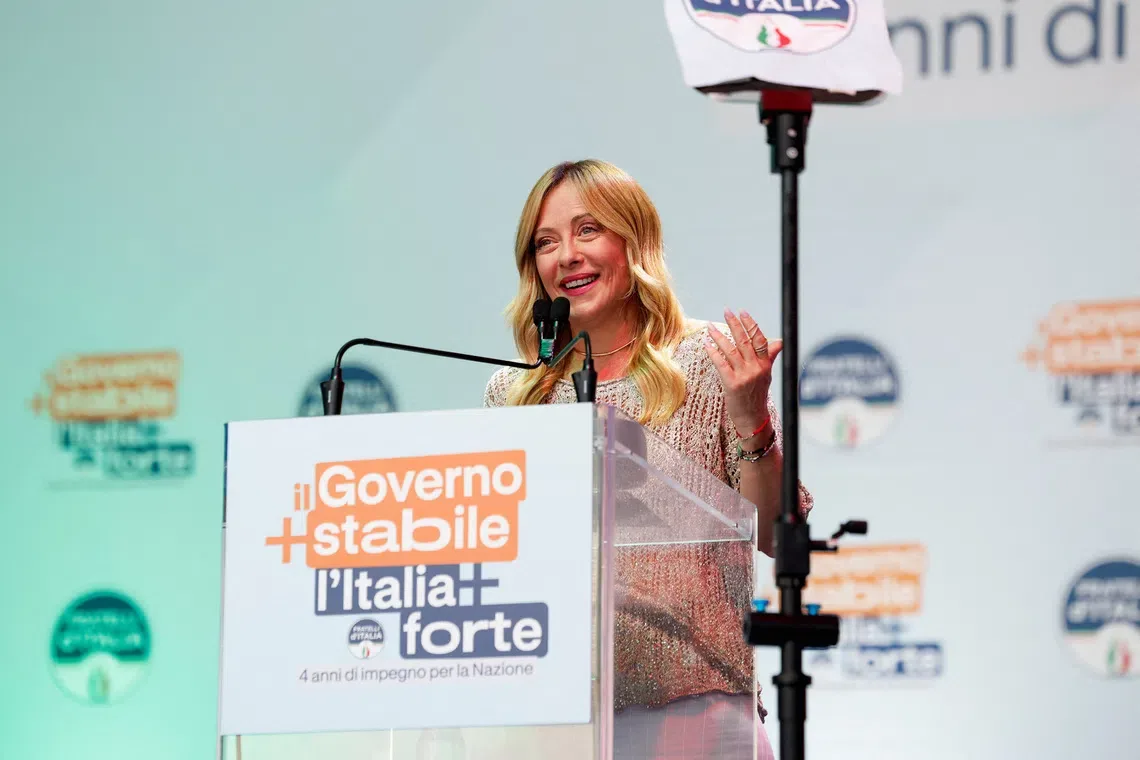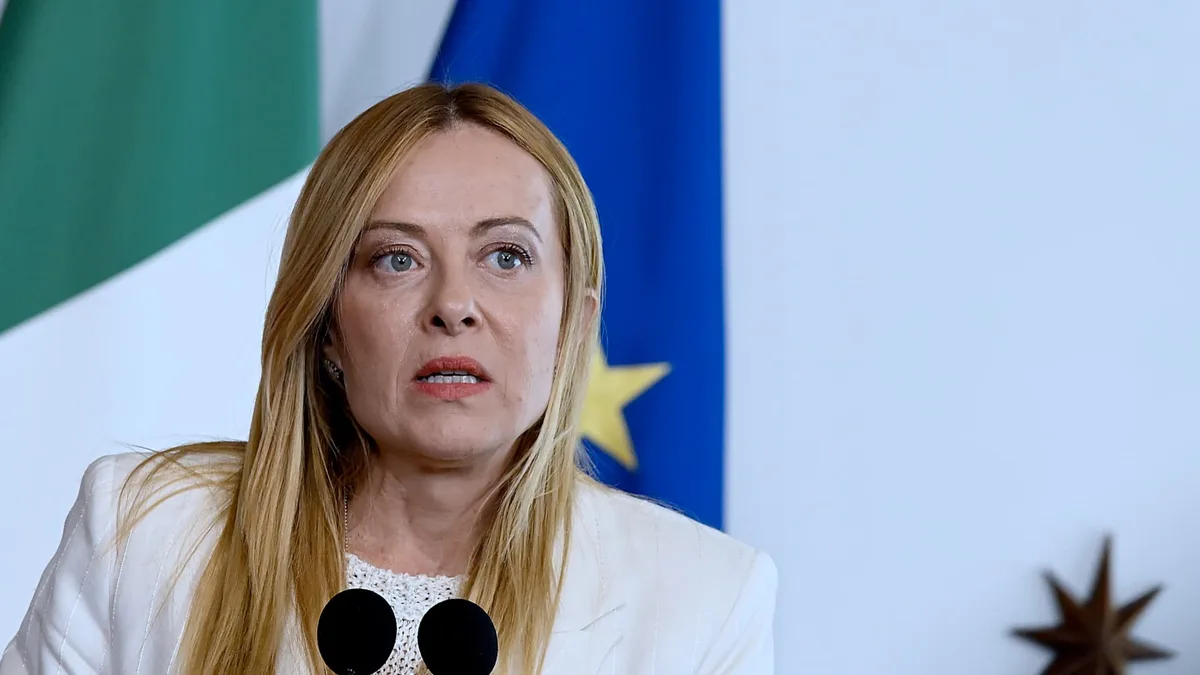
Prime Minister Giorgia Meloni's right-wing coalition government surpassed 1,400 days in office on September 4, 2026, becoming Italy's longest-serving postwar administration, beating Silvio Berlusconi's 2005 record [1, 2]. The milestone was celebrated with a rally in Bari that day [1, 2].
Since taking power in October 2022, Meloni has credited her government for delivering "stability," calling it "the first major reform we have delivered to this nation," and said it helped improve Italy's standing within the European Union while reassuring financial markets and lowering borrowing costs [1]. Italy had 68 governments in 80 years before Meloni's administration, highlighting the rarity of such a long tenure [1, 2].
Former European Commissioner Paolo Gentiloni noted, "Frequent changes in government is becoming normal in other countries, and stability is becoming normal in Italy. Amazing" [2]. Yet he also warned that the spending power of families declined in recent years, indicating economic challenges beneath the political calm [2].
Economic growth under Meloni has been slow, with Italy's GDP expanding just 0.5% in 2025 compared to the euro area average of 1.5%, and youth unemployment remaining high at 18.9% as of July 2026, well above the euro zone average of 14.9% [2]. Critics, including former prime ministers, say that despite achieving political stability and some fiscal discipline, the government has failed to pursue meaningful reforms in public administration, healthcare, education, or economic modernization [1, 2]. Former Prime Minister Mario Monti said Meloni avoided confrontations that might have modernized the economy, choosing political consensus over competition and growth [2]. Opposition leader Giuseppe Conte accused the government of "four years of inactivity and inertia" and sluggish economic performance [1].
Meloni's government has focused on policies to increase employment, reduce unemployment, support families and businesses, strengthen security, and improve Italy's international credibility, but major institutional reforms have stalled. Plans to strengthen the prime minister's powers have not advanced, and a government-backed referendum on judicial reform was rejected by voters [1, 2].
The Meloni coalition took office in October 2022 and reached this record tenure by early September 2026, demonstrating unusual continuity in Italy's typically volatile political landscape [1, 2]. Italian voters and political actors will watch closely how the government addresses persistent economic challenges and stalled reforms in the months ahead.