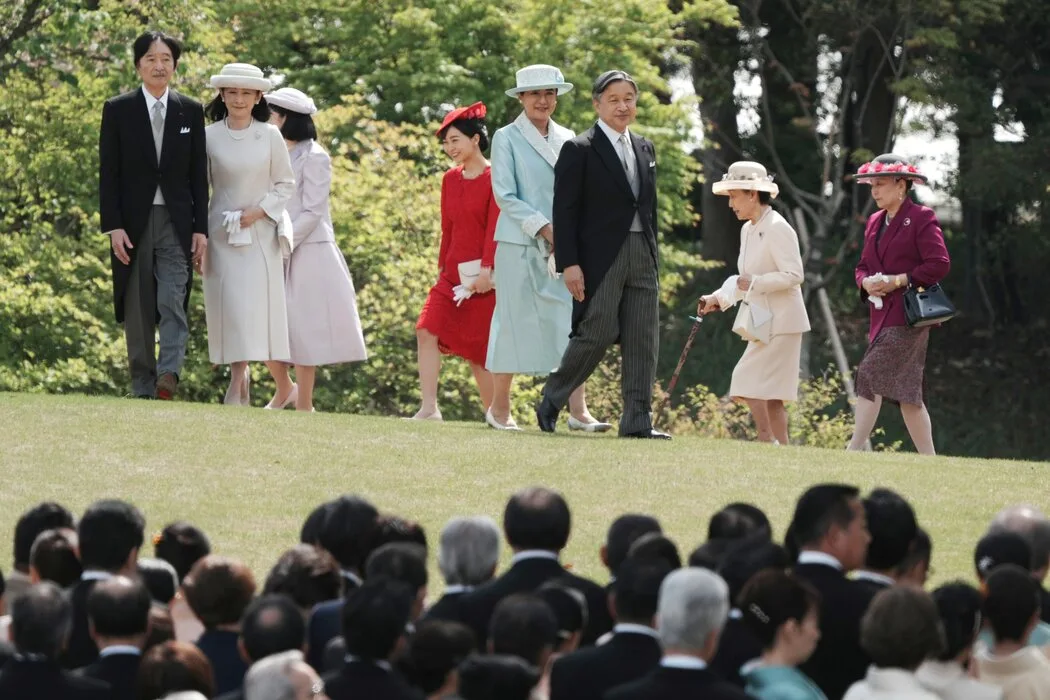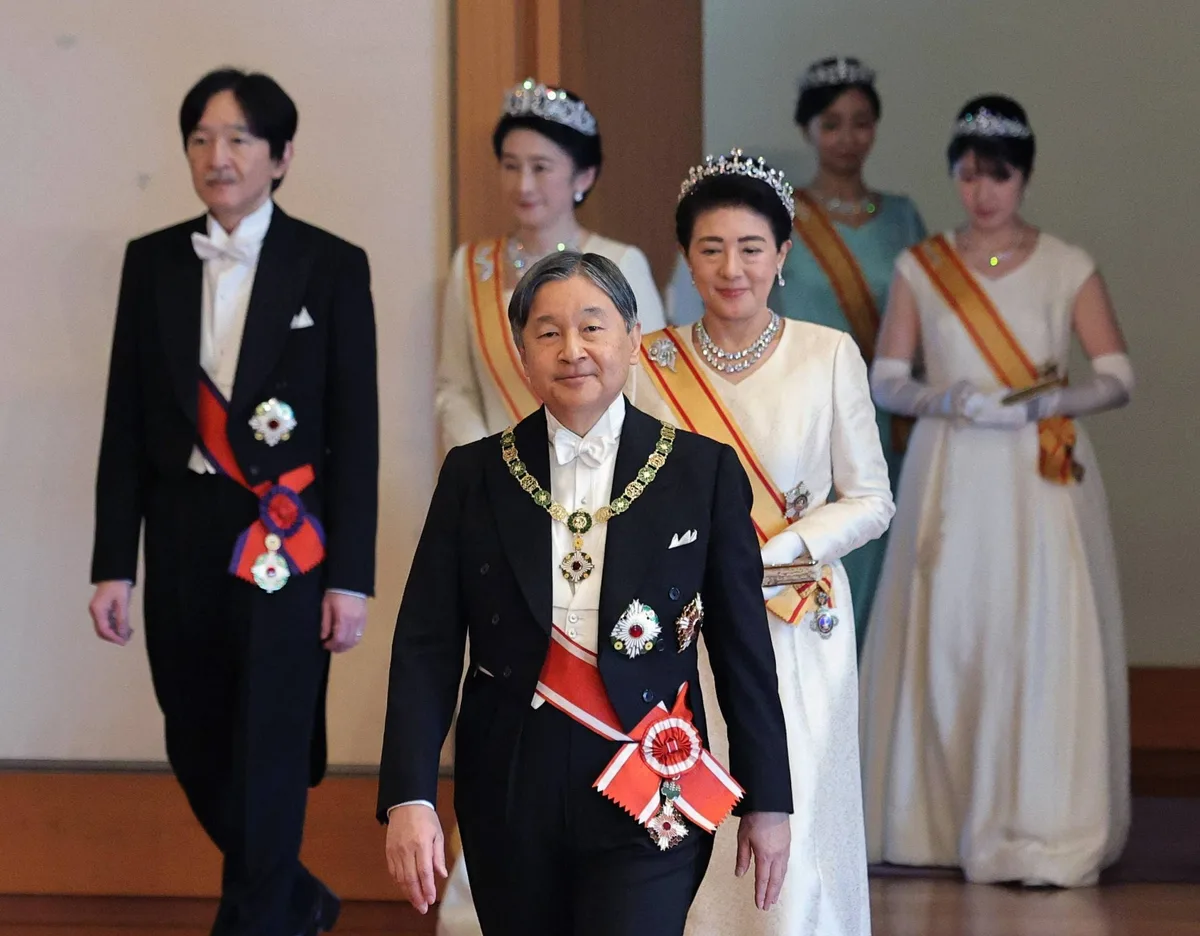
Japan's imperial family is facing a shortage of male heirs as tradition and law limit succession to male descendants only. Currently, there are 16 imperial family members, including five males and 11 females, a decline of about 25% since 1990 [1].
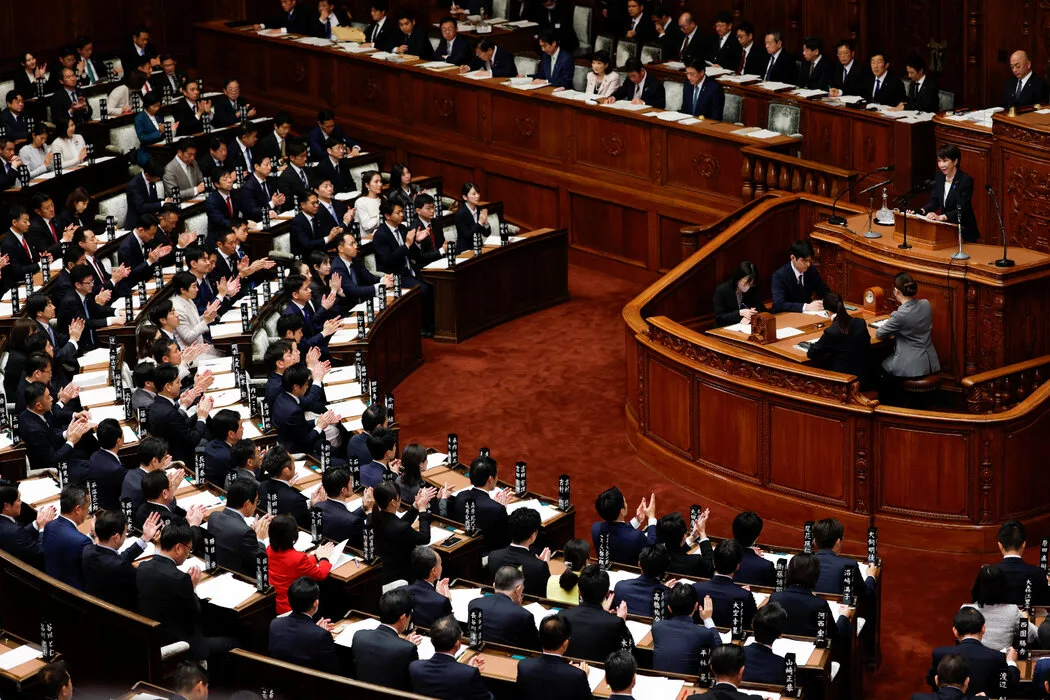
To address this, Japan's legislature recently advanced a proposal to allow the adoption of dozens of distant male relatives into the imperial family. These relatives likely come from former princely families such as Kujo, Higashikuni, Koyo, and Takeda, who have lived as commoners for decades [1, 2].
Only three males are officially recognized as heirs: 90-year-old Prince Hitachi, Crown Prince Fumihito (60), and Prince Hisahito (19). Male-only succession dating back centuries restricts the pool of eligible successors and complicates the performance of official duties, including overseas visits and court ceremonies [1].
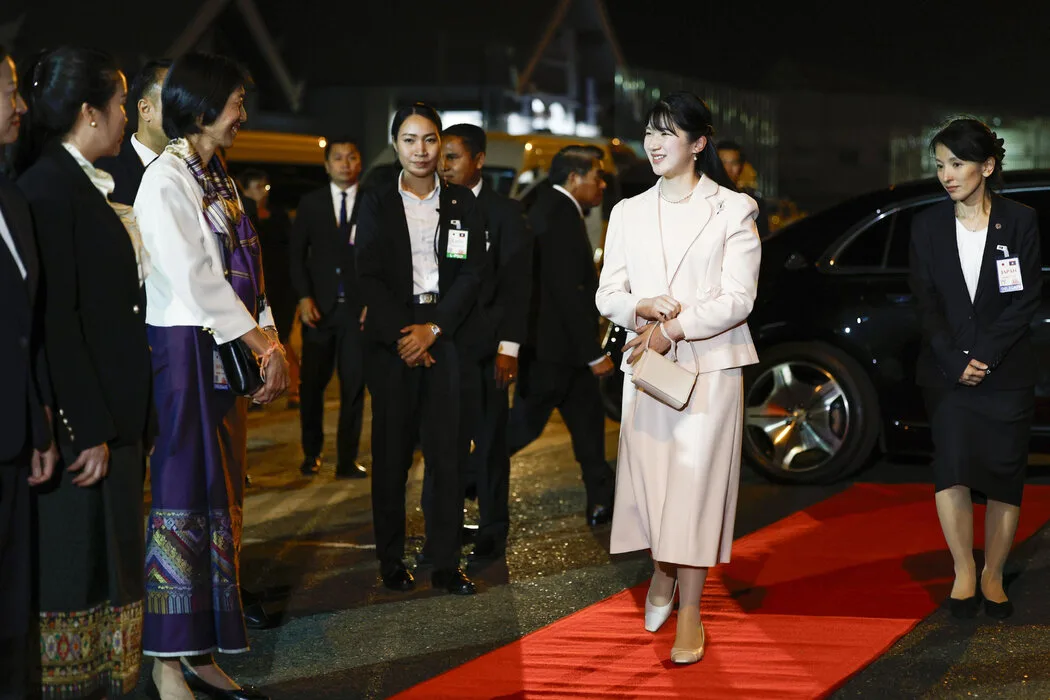
The proposal would also let imperial women retain their royal status after marrying commoners, changing current rules that strip women of imperial status upon marriage [1]. Emperor Naruhito refrained from detailed comment but expressed hope the plan would win public understanding [1].
Some opposition members and public polls favor allowing female succession. Opposition Diet member Kiyomi Tsujimoto said, “Many citizens now want a female emperor. Every day, people express this demand to me.” Experts warn that failing to raise women’s status threatens the monarchy’s future. Imperial expert Hideya Kawanishi said, “Even though society has changed, older men still feel regret when a girl is born. Over time, the imperial system will become unsustainable.” [1]
Conservative lawmakers, including Prime Minister Sanae Takaichi, back the male-only succession tradition. Takaichi stated, “Restricting succession to male descendants of imperial blood is appropriate.” [1]
Historically, Japan has had female emperors, such as Empress Go-Sakuramachi in the late 18th century, before the male-only tradition became exclusive [1]. The post-World War II U.S.-led reforms also reduced imperial privileges and public perceptions of semi-divinity [1].
The public’s response to reinstating distant male relatives as royals is mixed, with some skepticism about expanding the imperial family in this way [1]. The proposal represents the government’s chosen path rather than opening succession to women, creating a split with opposition viewpoints [1, 2].
Lawmakers advanced the adoption plan in June 2026, signaling a significant step toward ensuring male heirs remain available for the Chrysanthemum Throne [1, 2].