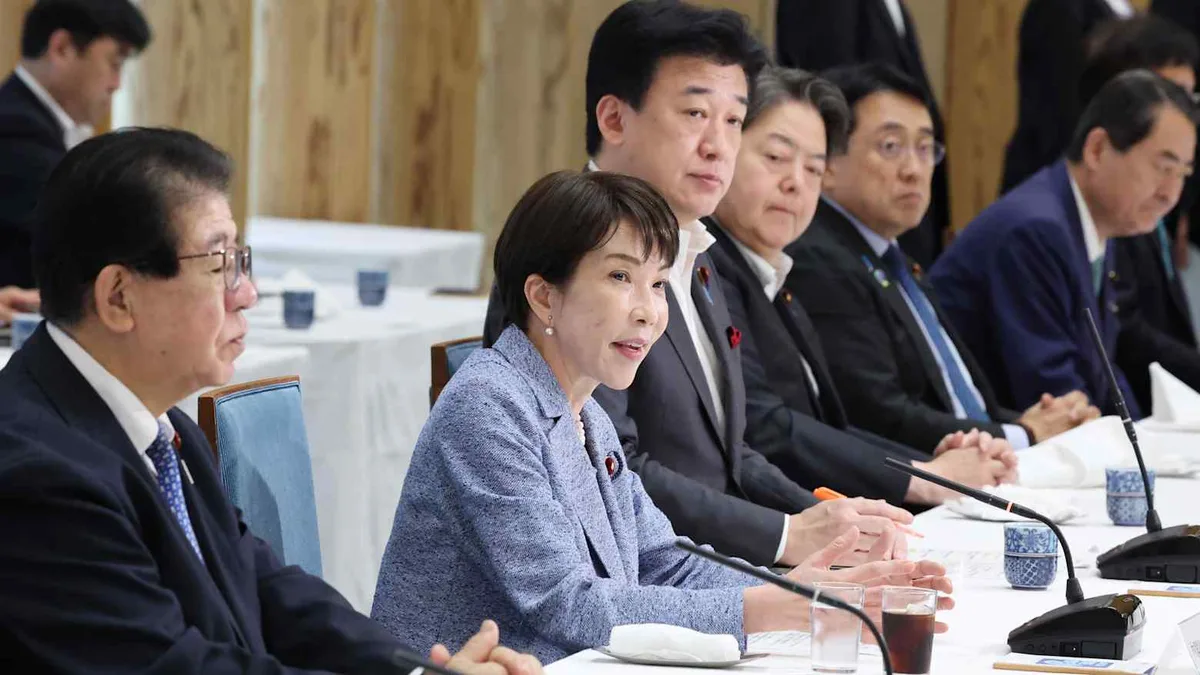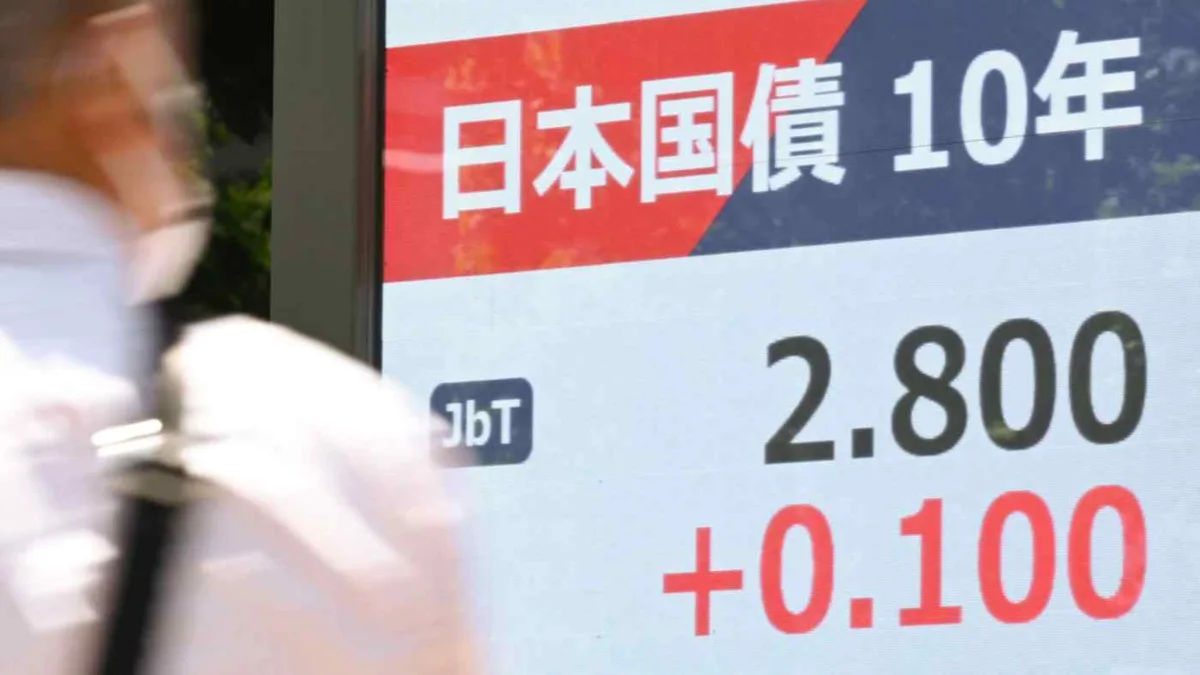
The Japanese government has started deliberations on compiling a supplementary budget for the current fiscal year ending next March. The extra funds aim to address rising fuel costs and a worsening cost-of-living crisis linked to instability in the Middle East [1].
Prime Minister Sanae Takaichi initially resisted calls for an immediate supplementary budget earlier in May. She maintained the extra allocation was not urgently needed despite repeated demands from opposition parties [2].
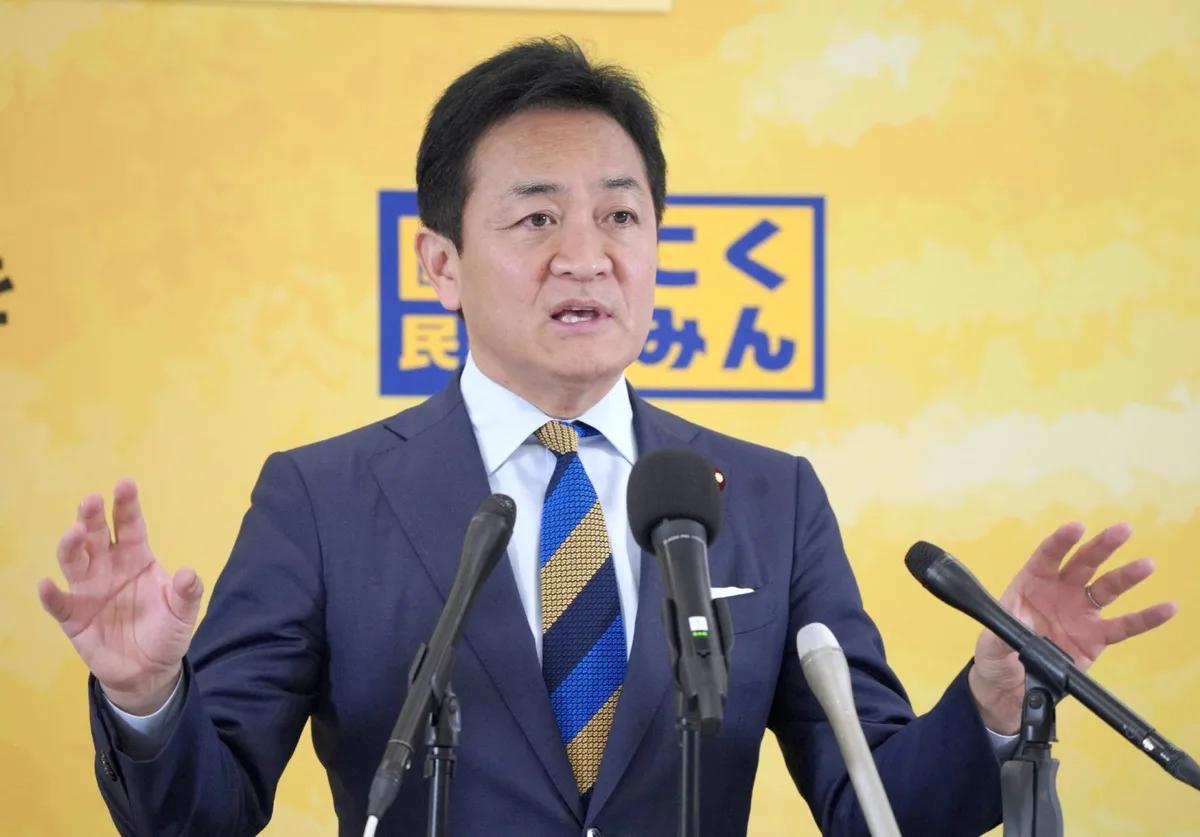
Opposition groups sharply criticized the government’s delay in preparing the extra budget. Yuichiro Tamaki, a party leader, said, "Many people are struggling due to renewed inflation. I want to convey this directly to the prime minister in the party leaders' debate" [2].
By mid-May, government officials acknowledged the need to consider additional spending to counter fuel price surges and inflation, aligning with opposition concerns [1, 2]. On May 20, opposition parties announced plans to question Prime Minister Takaichi about the supplementary budget delay during an upcoming party leaders' debate [2].
The debate is set to be a key event as lawmakers press for clearer plans on easing economic pressure. Discussions on the supplementary budget could shape Japan's fiscal policies through March 2027.