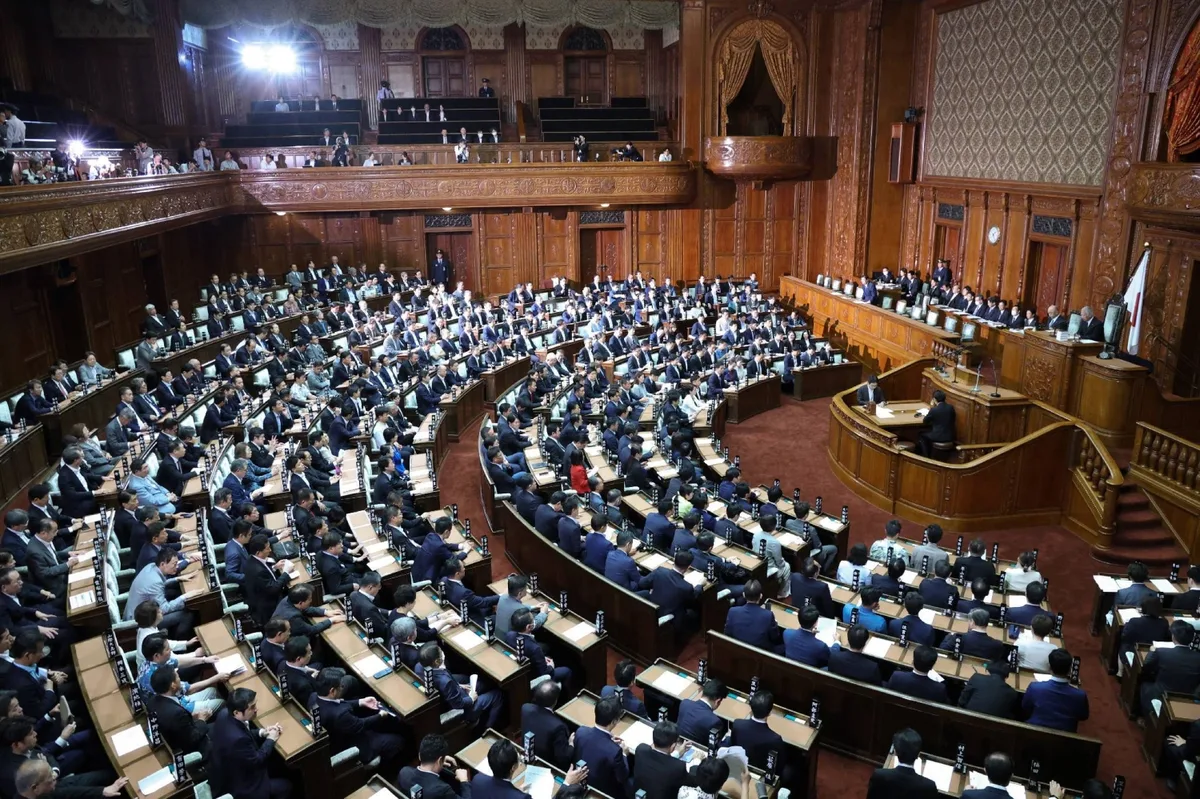
Japan’s House of Representatives unanimously approved a bill on June 25, 2026, that sets clear numerical standards for dangerous driving causing death or injury, after it cleared the House of Councilors in April [1, 2, 3]. The revised law is expected to take effect in July 2026, following an official announcement and a 20-day waiting period [1, 2, 3].
The law defines dangerous driving as exceeding speed limits by more than 50 km/h on roads with limits at or below 60 km/h, and more than 60 km/h on roads with speed limits above 60 km/h, when death or injury occurs [1, 2, 3]. Drunken driving constitutes dangerous driving if a driver's breath alcohol is 0.5 mg or more per liter or blood alcohol is 1.0 mg or more per milliliter [1, 2, 3]. The bill also includes drifting and intentional loss of traction, such as wheelies, if they cause death or injury [1, 2, 3].
Penalties for dangerous driving are harsher than for negligent driving causing similar harm, with a maximum prison sentence of 20 years, compared to 7 years under previous law [2, 3]. The bill allows courts discretion to charge dangerous driving even when numerical thresholds are not met if the driving speed or conditions made it extremely difficult to avoid grave danger. The Ministry of Justice said that "even if the speeding is below the revised legal standards, if it occurs during high-risk situations like school dismissal periods or icy roads, it may be deemed 'high-speed driving difficult to avoid major traffic danger' and subject to dangerous driving charges" [2].
Further changes planned from September 2026 include lowering speed limits on residential and daily-use roads from 60 km/h to 30 km/h. If drivers exceed 80 km/h on these roads and cause death or injury, they may face dangerous driving charges [2, 3]. The House also passed amendments to the Road Traffic Act to formally include the 0.5 mg/l breath alcohol limit for drunk driving [3].