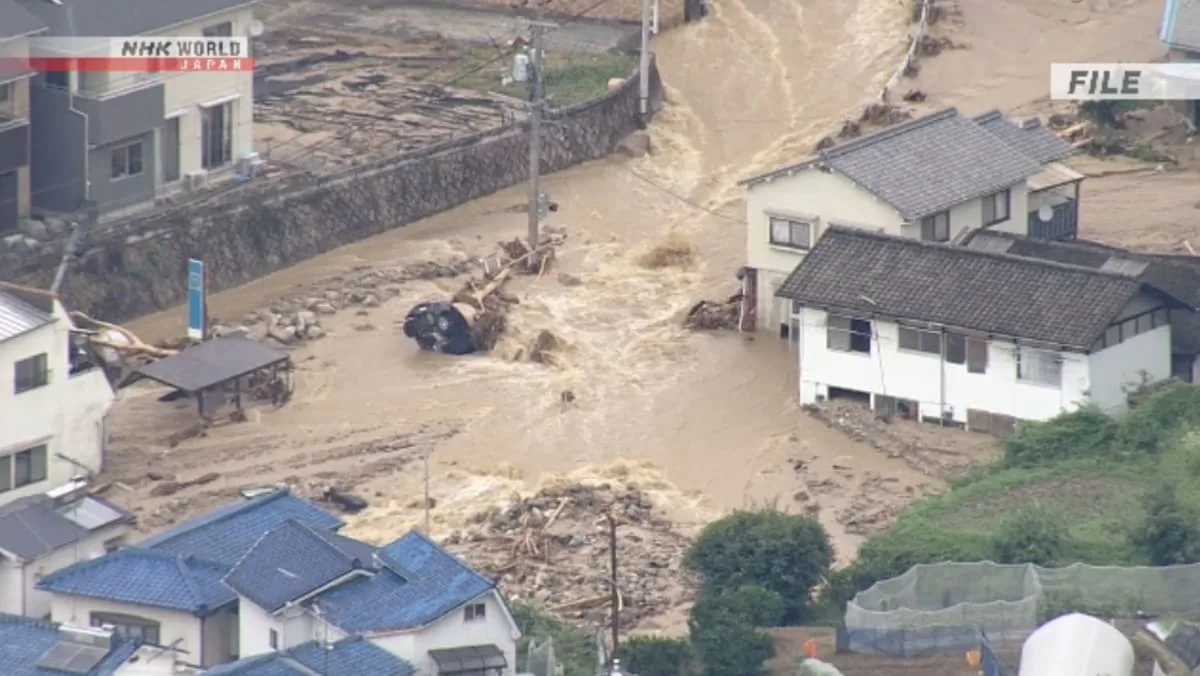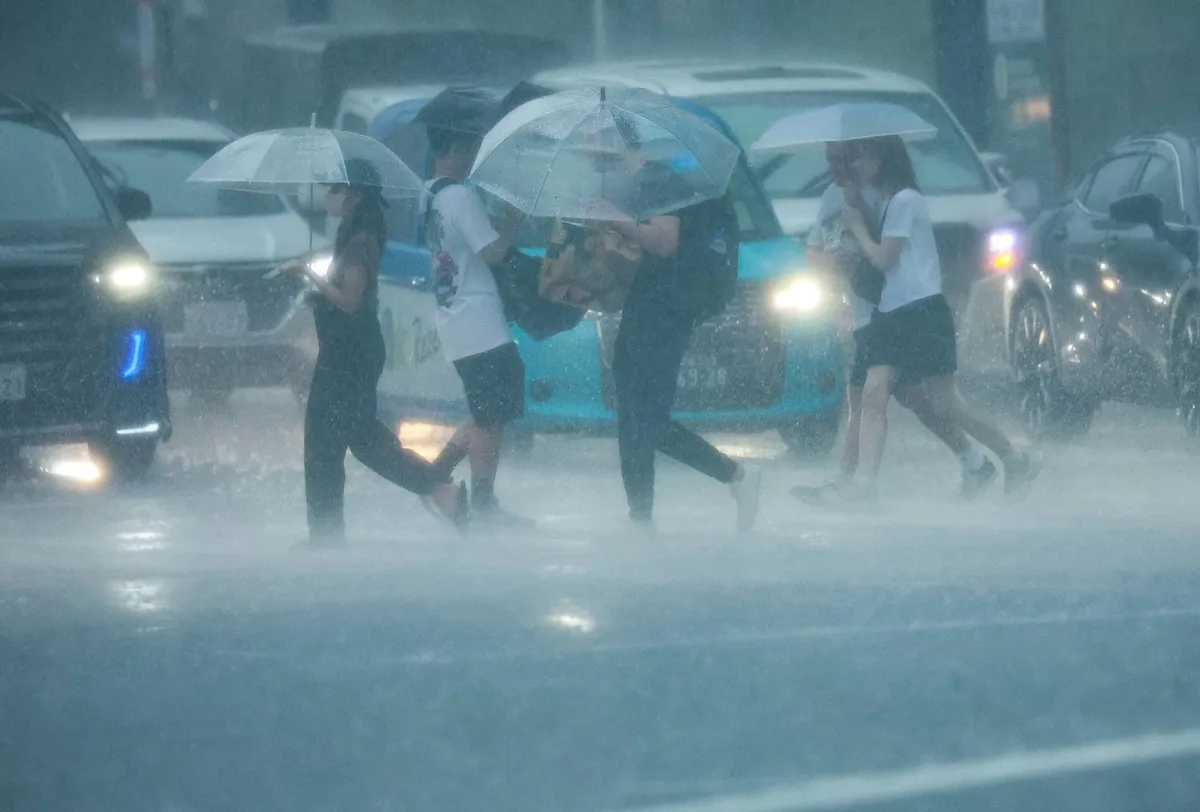
Japan rolled out a new weather warning system on May 28, 2026, designed to improve alerts for flooding, heavy rain, landslides, and storm surges [1]. The updated system introduces five distinct alert levels, numbered 1 through 5, to clearly communicate risk severity [1, 2].
The new levels are named early warning (Level 1), advisory alert (Level 2), alert (Level 3), severe alert (Level 4), and emergency warning (Level 5) [2]. The highest level is issued when disasters may have already occurred. At this stage, local governments urge residents to take immediate emergency actions [1].
The government implemented the changes to address criticism of the previous system, which featured numerous types of information and inconsistent wording that confused the public [2]. Simplifying the alerts into five clear levels aims to enhance preparedness and reduce misunderstanding.
The new system covers four main categories of natural hazards: flooding, heavy rain, landslides, and storm surges [1, 2]. It became operational just before Japan’s rainy and typhoon seasons, with relevant legal changes taking effect on May 29, 2026 [1].
Japan’s meteorological agency will use these standardized alert levels to issue timely warnings and help municipalities coordinate emergency responses.
Authorities plan to monitor the system’s effectiveness during the upcoming storm seasons and may adjust alert criteria as needed based on feedback.