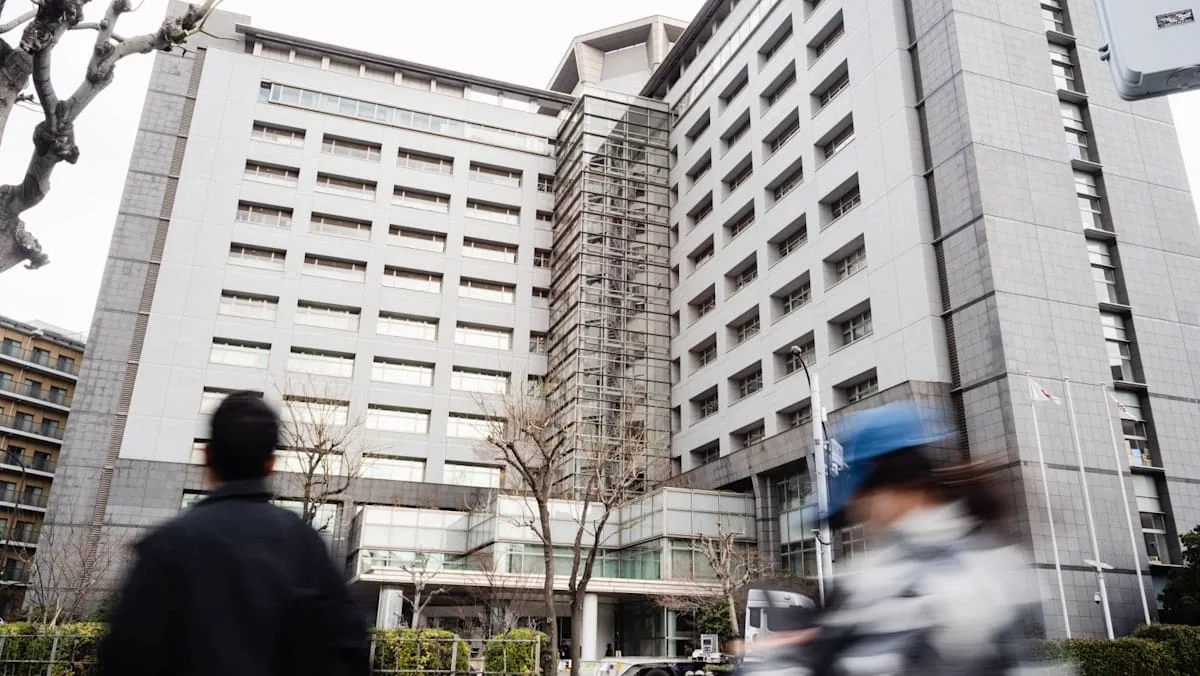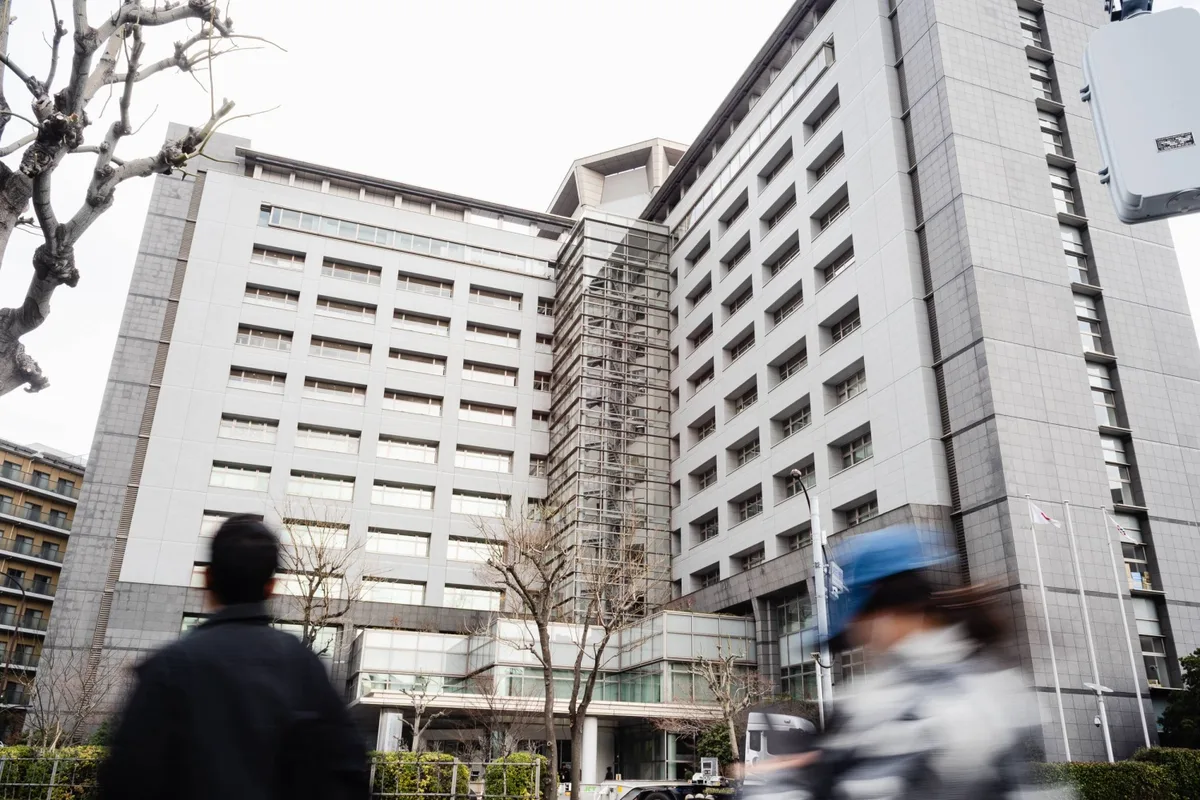
The Japanese government adopted an ordinance on August 25, 2026, to raise fees for foreign nationals renewing or changing their residency status starting in October 2026 [1, 2, 3].
Residency extension fees at administrative counters will increase substantially. New fees will be ¥10,000 for up to 3 months, ¥33,000 for 1 year, ¥64,000 for 3 to under 5 years, and ¥75,000 for 5 years or more [1, 2, 3]. Currently, the uniform renewal fee is ¥6,000 [1, 2, 3].
The fee for applying for permanent residency will jump sharply from ¥10,000 to ¥200,000 [1, 4, 2, 3]. The revised Immigration Control and Refugee Recognition Act passed in May 2026 caps these fees at ¥100,000 for temporary residency and ¥300,000 for permanent residency, with specific amounts set by ordinance [1].
The government expanded eligibility for fee reductions based on public input. Foreign nationals who single-handedly raise biological children of Japanese nationals or special permanent residents now qualify. Applicants must meet two conditions for reductions: financial hardship comparable to welfare recipients and humanitarian considerations [1, 2, 3].
However, about 90% of refugee recognition applicants are excluded from fee reductions because of strict criteria [2, 3].
Proceeds from higher fees will support immigration control efforts and Japanese language programs [2, 3]. Justice Minister Hiraaguchi Hiroshi said the fee increase "is important for implementing policies to build an orderly and symbiotic society" [2].
The revised fees take effect in October 2026, marking a significant policy shift in Japan’s approach to foreign resident administration [1, 4, 2, 3].