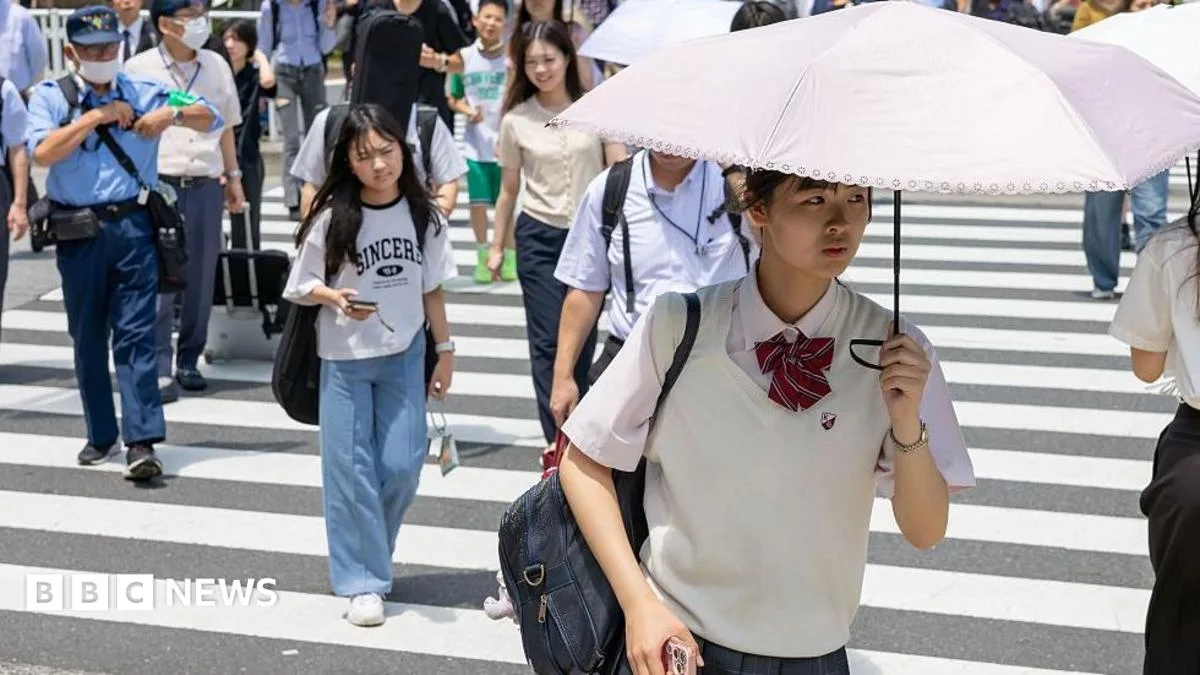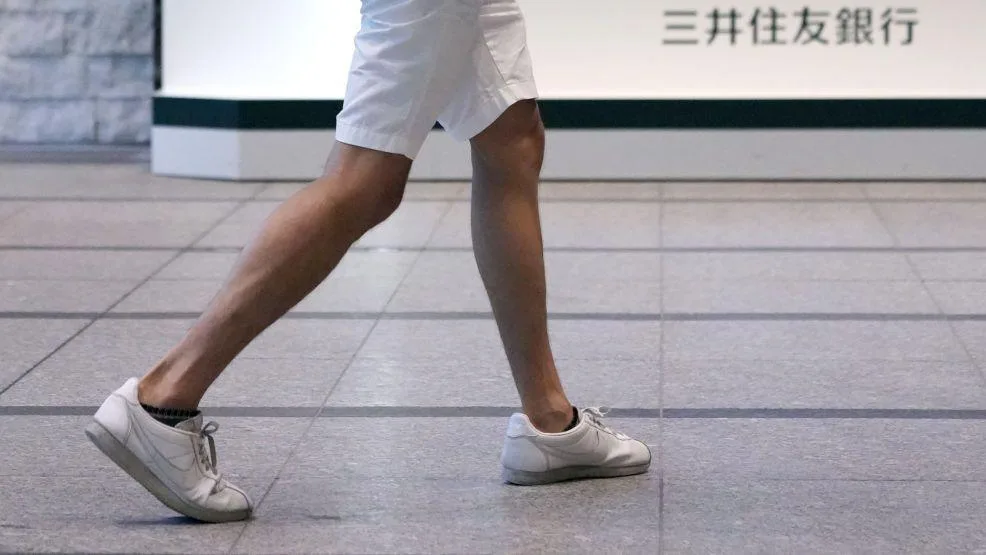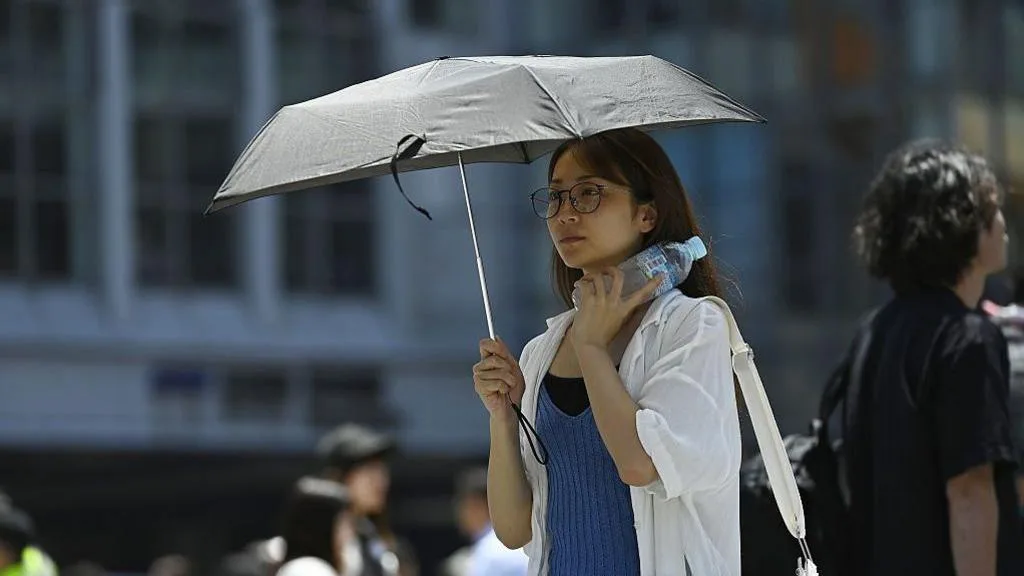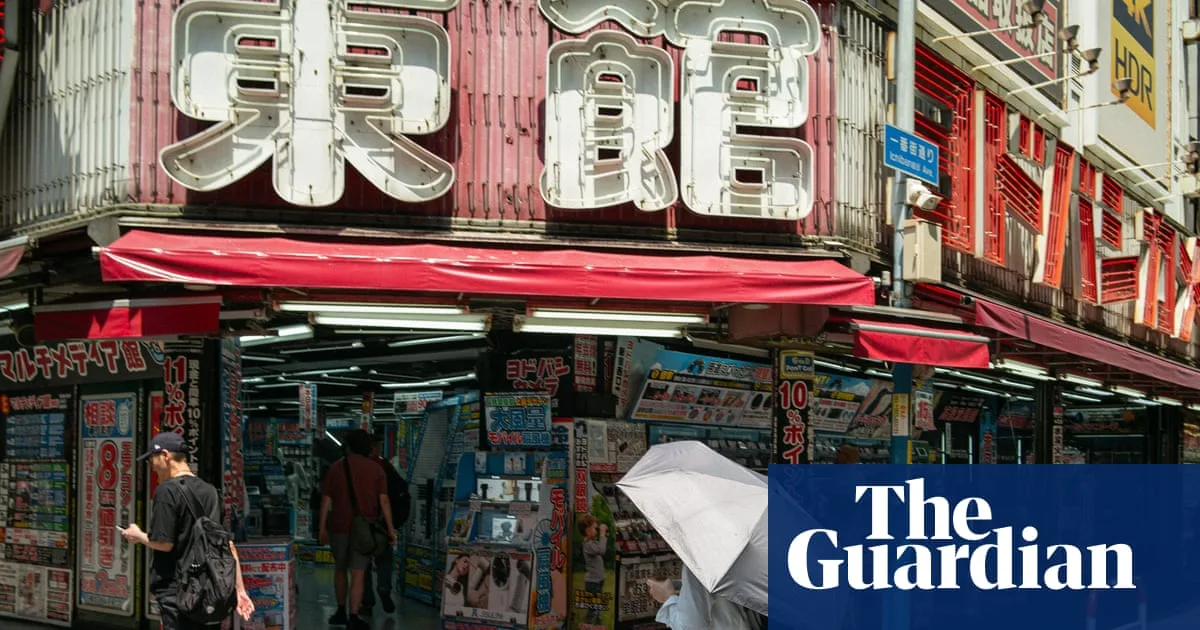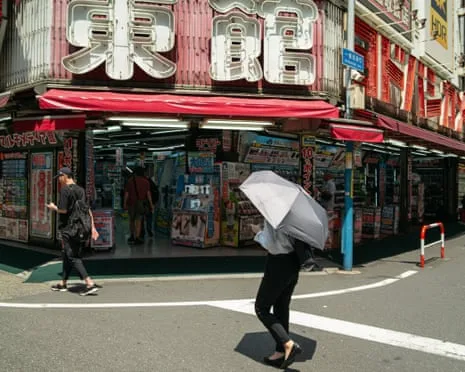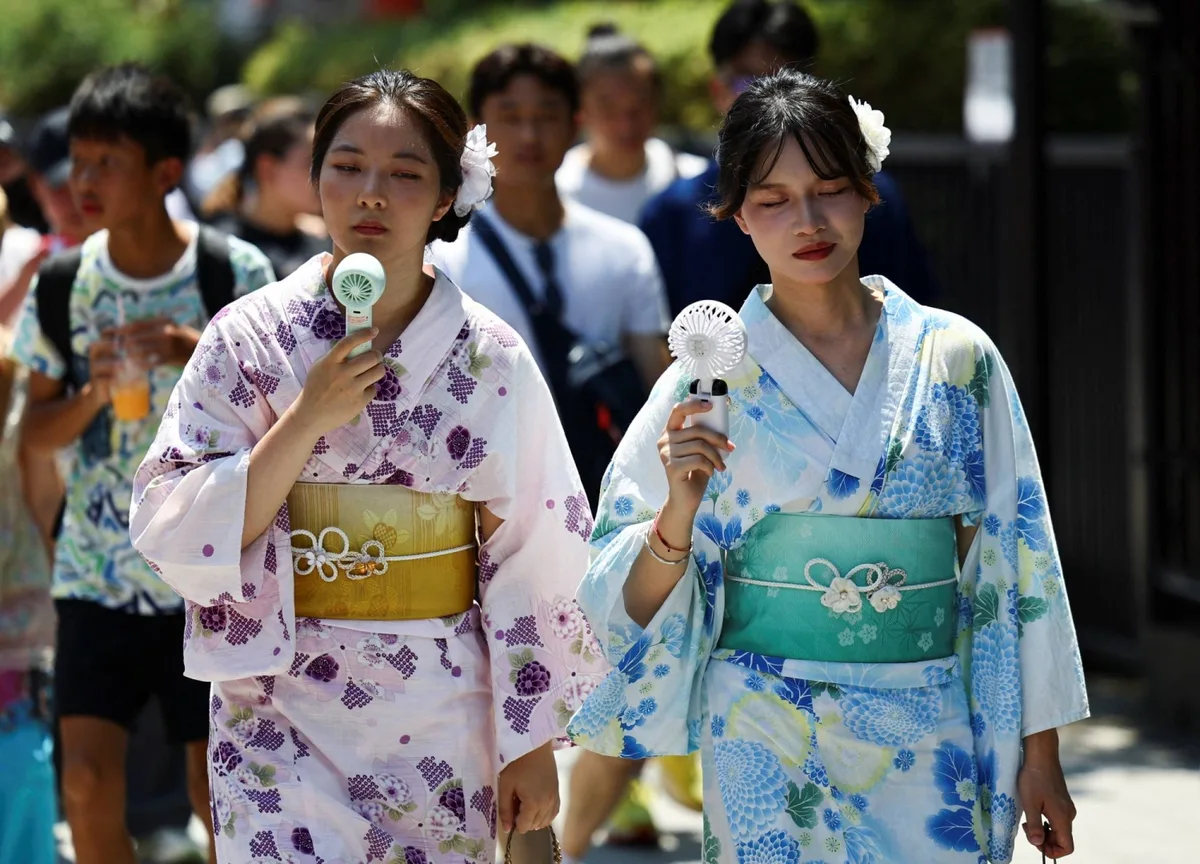
Japan saw its first officially recognized 'kokushobi' or 'cruelly hot day' on July 21, 2026, as temperatures surpassed 40°C in the central cities of Tajimi, Gujo, and Toyota [1, 2, 3]. The term 'kokushobi' was introduced by the Japan Meteorological Agency in April 2026 to alert the public to days with temperatures reaching 40°C or higher, though it does not mandate official measures nationwide [3].
On the same day, between 278 and nearly 300 out of 914 weather observation points across the country recorded temperatures exceeding 35°C, categorized as 'moshobi' or extremely hot days [1, 2]. Heatstroke alerts covered 41 of Japan's 47 prefectures, affecting almost the entire nation [1, 3, 4].
The heatwave pushed emergency services to their limits. The Tokyo Fire Department reported 287 heatstroke hospitalizations on July 21, rising to 453 the next day—the highest daily total in recorded history [1, 4]. Officials issued an ambulance overload alert due to the surge in heat-related emergencies [1]. In the Aichi region including Nagoya, 116 people were hospitalized on July 22 for heat-induced conditions [4].
At least 14 people have died from heat-related causes nationwide in the week leading up to July 23, alongside nearly 11,000 emergency heat-related medical cases [3, 4]. A spokesman for the Tokyo Fire Department said, "We are urging people to stay hydrated and use air conditioners. It seems like the number (of patients) rose as the temperature rose" [4]. The Fire and Disaster Management Agency called the heatwave a "disaster," emphasizing the rise in hospitalizations and fatalities [4].
This extreme heat follows Japan's all-time highest temperature record of 41.8°C set in Isesaki city in 2025 [1, 5]. The previous summer alone saw over 100,000 heatstroke hospitalizations nation-wide, showing a persistent pattern of deadly heatwaves [2, 5]. The heat is affecting multiple aspects of life in Japan, including agriculture, sports, and workplace safety [2].
Authorities continue to urge residents to drink plenty of fluids, limit outdoor activities, use air conditioning, and wear light clothing to prevent heatstroke [1, 2, 5, 4]. The Japan Meteorological Agency plans to monitor temperatures closely as summer progresses to warn about extreme heat days using the new 'kokushobi' classification [3].