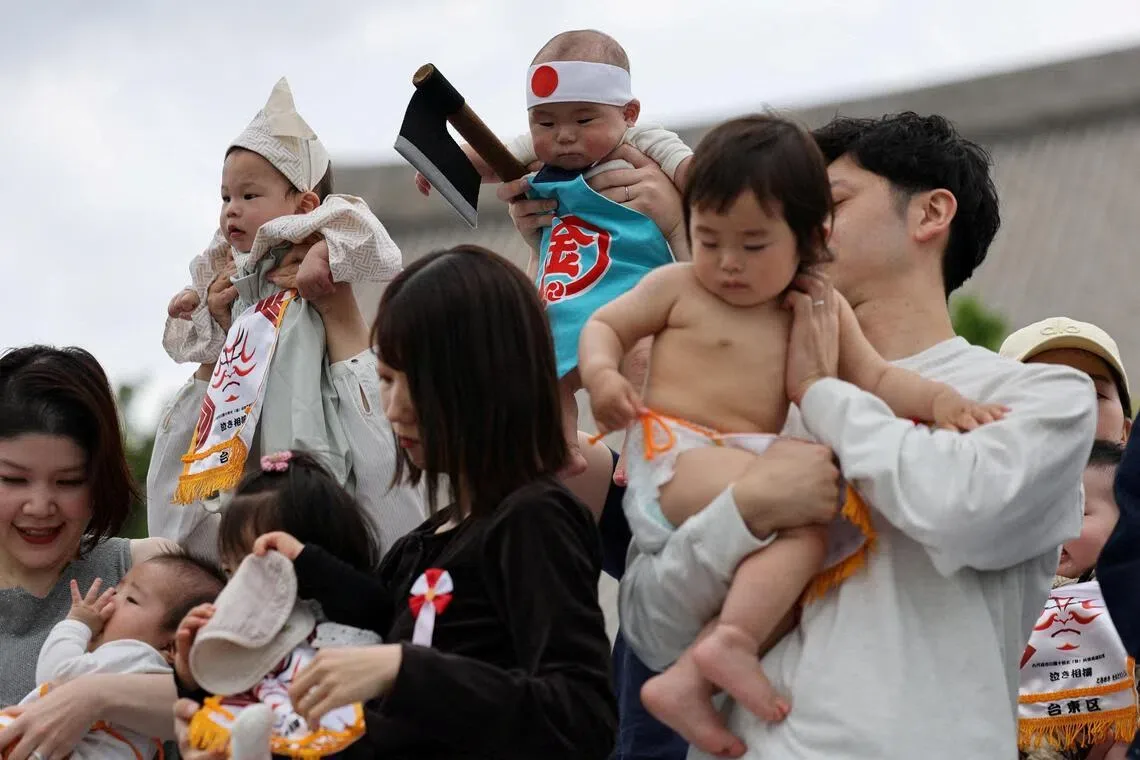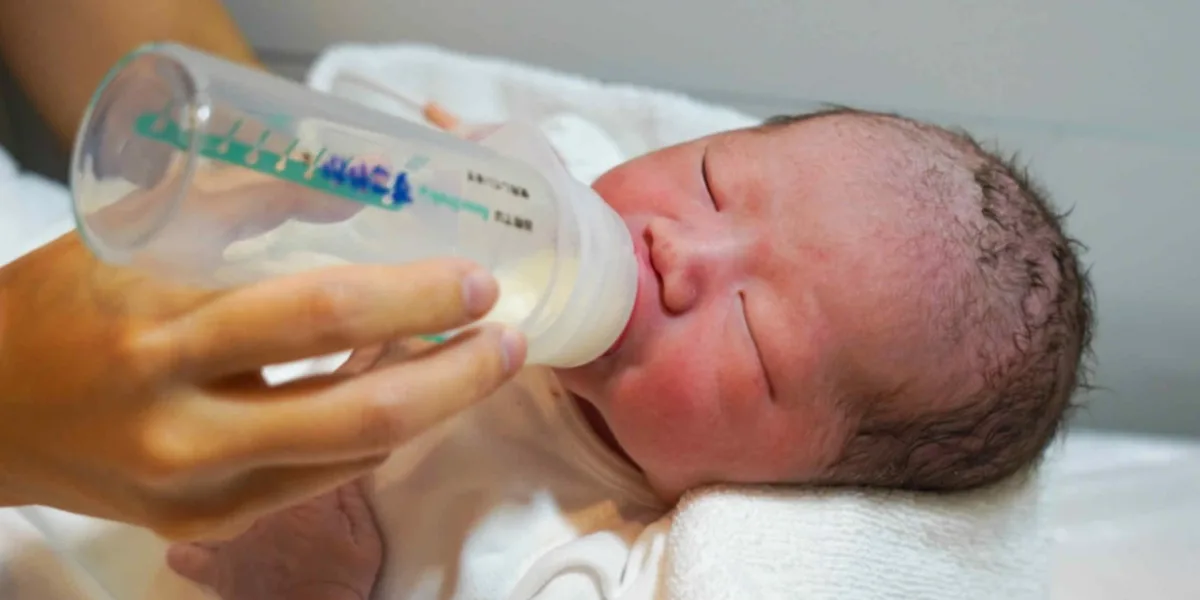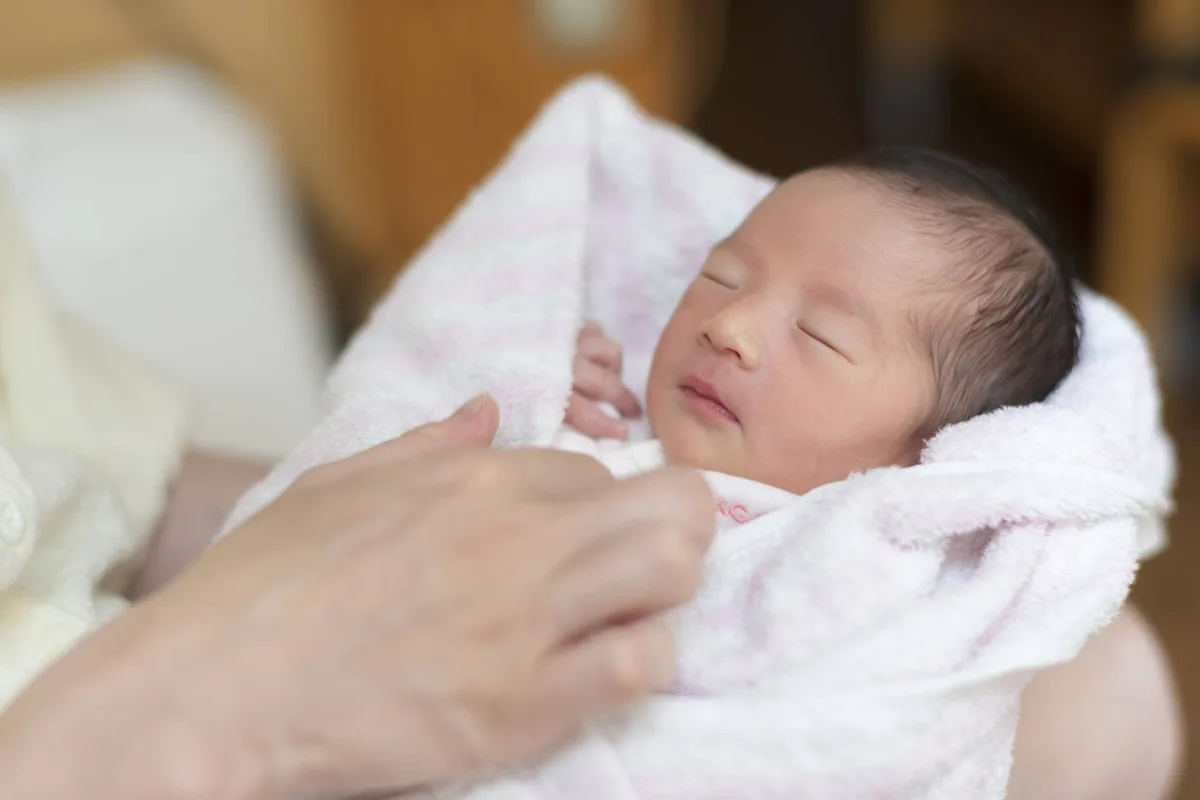
Japan's total fertility rate fell to 1.14 in 2025, marking the 10th straight year of decline and reaching a historic low, according to government data released in June 2025 [1, 2, 3, 4, 5, 6, 7, 8, 9, 10]. The number of births dropped to approximately 671,236, the lowest annual figure since records began in 1899 [1, 2, 3, 4, 11, 5, 6, 7, 8, 9, 10].
The 2025 birth count represents a 2.2% decline from 2024, though this rate of decline has slowed compared to previous years [1, 2, 3, 4, 11, 7, 8, 10]. Deaths in Japan were roughly 1.59 million in 2025, resulting in a natural population decrease of about 918,000 people—the 19th consecutive year of population decline [3, 4, 6, 7, 9].
Tokyo recorded the lowest fertility rate among prefectures at 0.96 in 2025, continuing its long-standing position as the region with the fewest births [3, 4, 5, 6, 7, 8, 9, 10]. While birth numbers declined in most age groups, women aged 30 to 34 saw a rise in births compared to 2024 [11, 6, 9]. Some prefectures, including Ishikawa and Kochi, experienced slight increases in birth rates but have not reversed the national trend [6, 7, 9, 10].
The government attributes the demographic challenges to factors including delayed marriages, economic pressures such as job insecurity and stagnant incomes, high childrearing costs, and difficulty balancing work with family life [3, 4, 6, 8]. Marriage numbers rose slightly in 2025 with 489,119 couples marrying, while divorces fell to 179,068 cases [6, 9, 10].
Despite spending trillions of yen on child and family support programs under the previous administration, the decline in the birthrate has not been meaningfully reversed [3, 4]. Since taking office in late 2025, Prime Minister Sanae Takaichi has prioritized economic revitalization and national security over new population policies [3, 4].
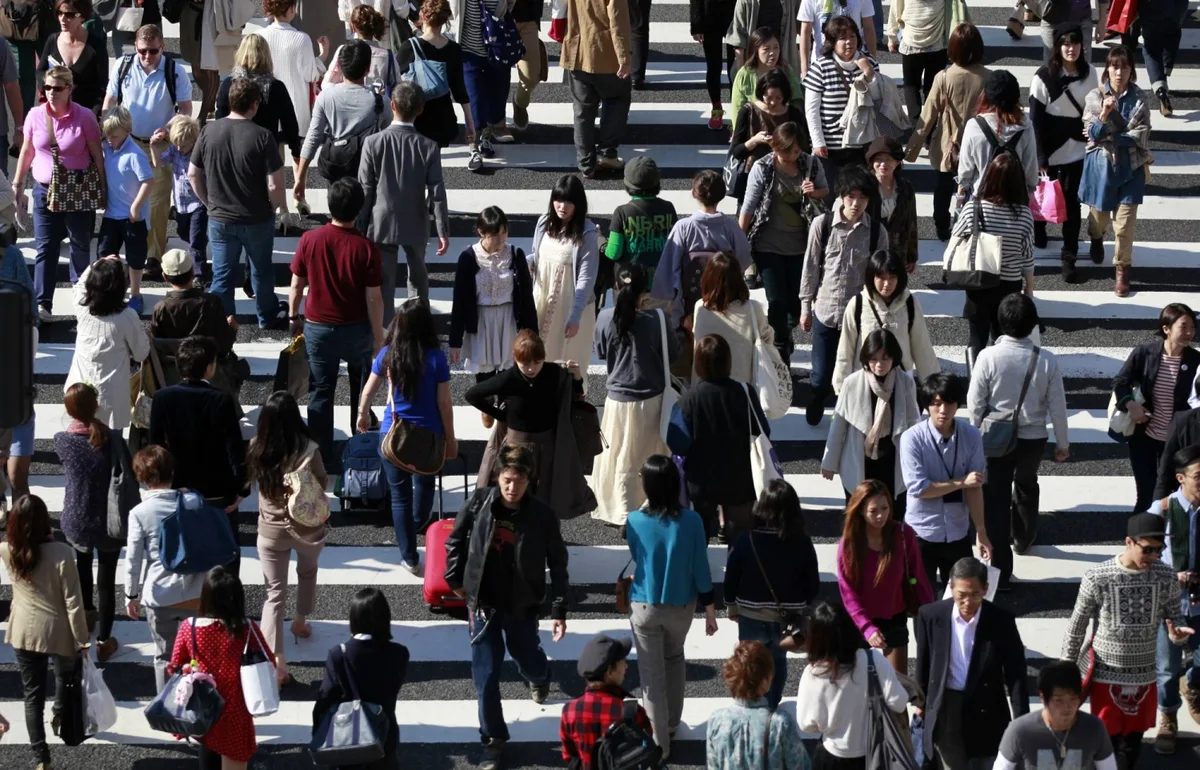
Forecasts made in 2023 projected births falling to around 670,000 by 2040, but this threshold was reached about 15 years early in 2025 [5, 6, 7, 8, 9, 10]. Japan also faces broader demographic pressures from a rapidly aging society and a shrinking workforce, placing strain on public finances and social welfare spending [3, 4, 12]. The social welfare budget for fiscal year 2026 is set at 39.1 trillion yen [3, 4].
On May 29, 2026, the government approved an amendment to the health insurance law to make childbirth costs free starting in June 2028 [6, 9]. The Ministry of Health, Labor and Welfare said, “Although the recent decline in births has somewhat slowed, the situation remains severe. We will continue efforts to increase income for younger generations and support families balancing work and childrearing” [6].