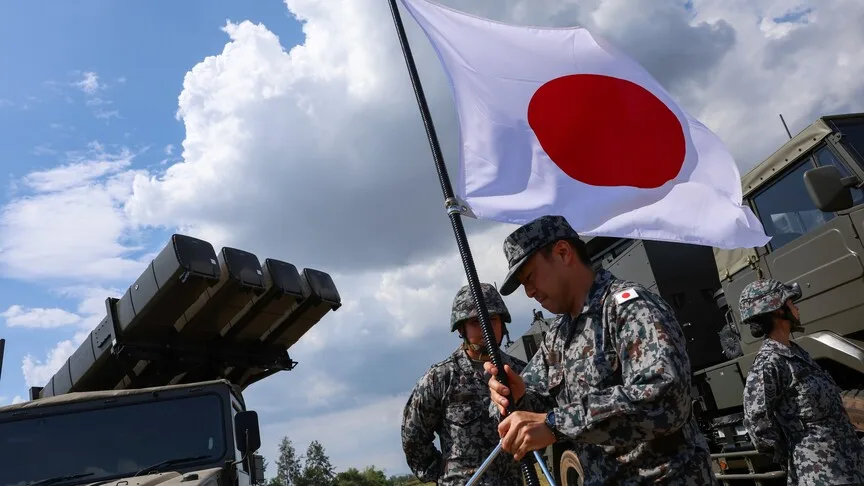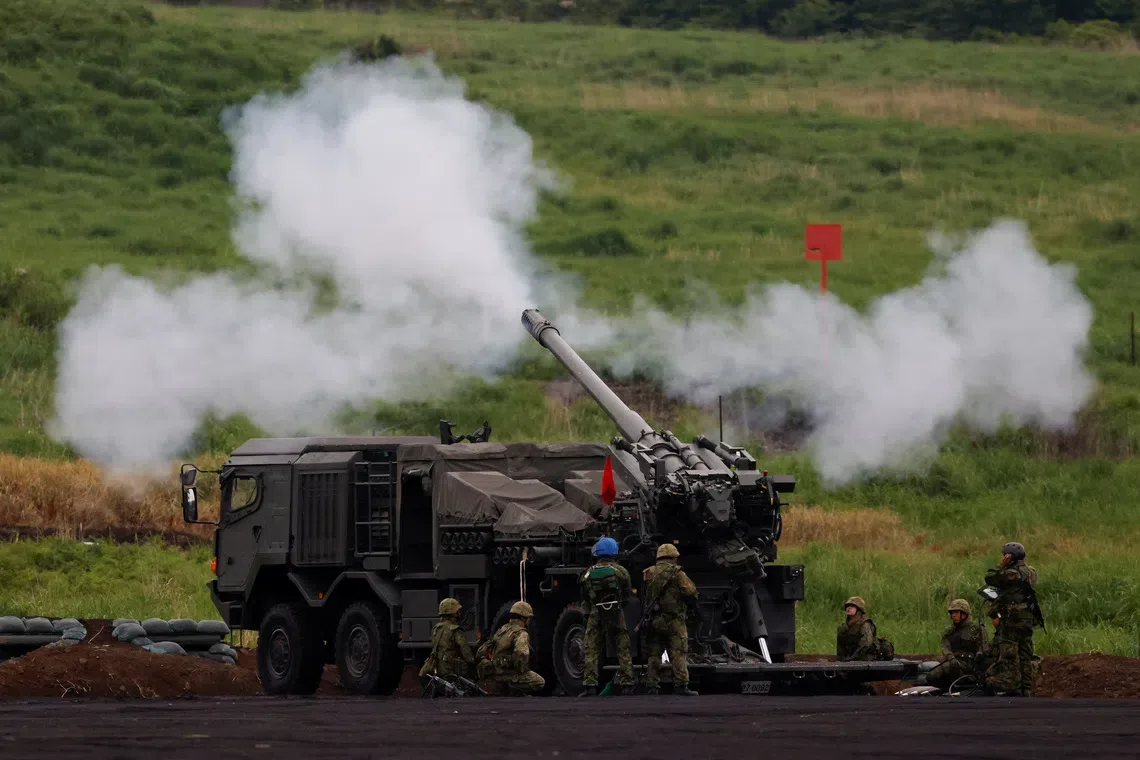
Japan’s Defence Ministry submitted a record budget request of about 8.9 trillion yen (approximately $56 billion to $70.9 billion) for fiscal year 2027, marking the final year of a five-year, 43 trillion yen (~$269 billion) defense spending plan adopted in 2022 [1, 2, 3, 4, 5]. The request is 0.9% higher than the previous fiscal year's initial budget [4, 5].
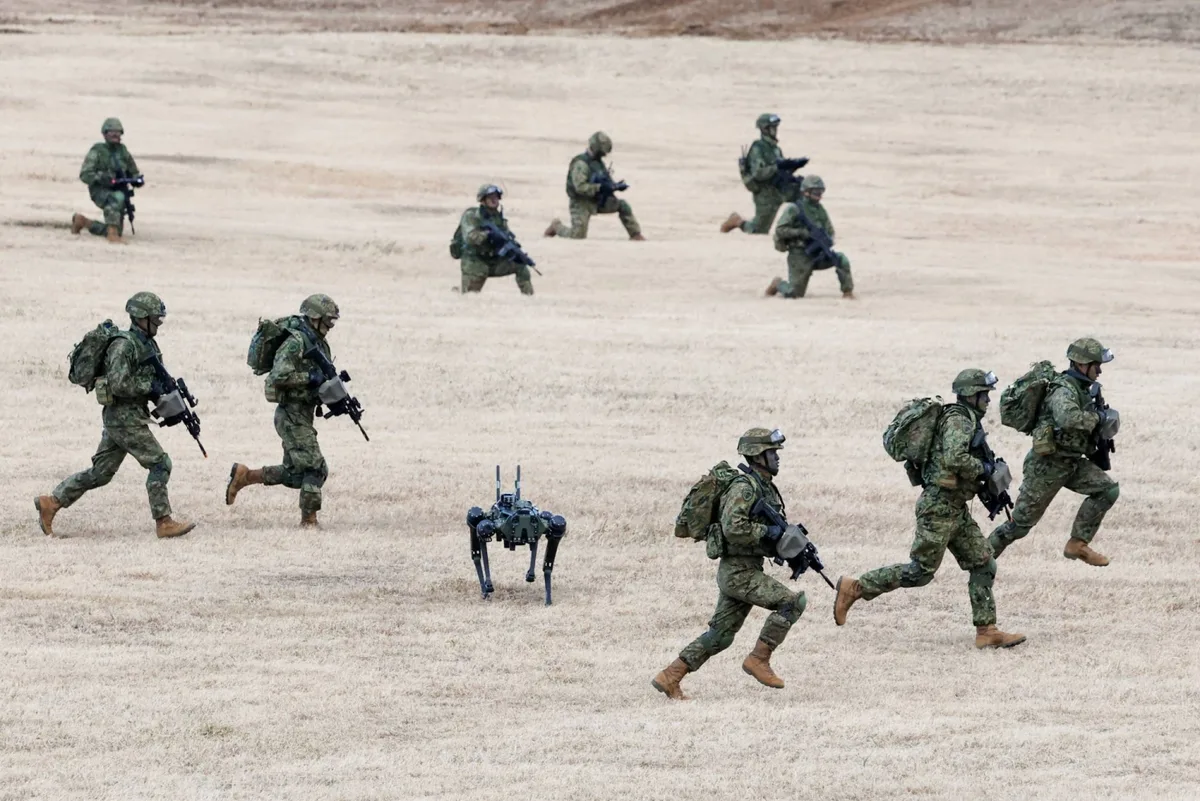
The budget prioritizes new technologies including artificial intelligence for command and control, drones, underwater-launched hypersonic missiles, and standoff missiles [1, 2, 3, 4, 5]. Japan plans to implement an AI-powered decision support system to speed operational decision-making [1, 3, 4, 5]. The ministry also aims to procure low-cost drones that work in tandem with long-range missiles to neutralize enemy assets [1, 3].
A new unit will be established to strengthen defenses against cognitive warfare, specifically targeting disinformation campaigns aimed at shaping public opinion [1, 3]. The request allocates $1.8 billion to purchase 17 MQ-9B SeaGuardian unmanned aircraft for maritime surveillance, particularly in the Pacific region [4, 5]. Additional funding includes about $1 billion for hypersonic missiles and related ground equipment [4, 5].
The defense buildup plan responds to China's military expansion, North Korea's missile and nuclear developments, and Russia's war in Ukraine, which has raised regional security concerns [1, 3, 4, 5]. Prime Minister Sanae Takaichi has pledged to accelerate Japan’s military buildup amid increased Chinese military activity near Japan and expanding defense cooperation among neighboring countries. She stated that Japan must respond robustly to these regional threats [4].
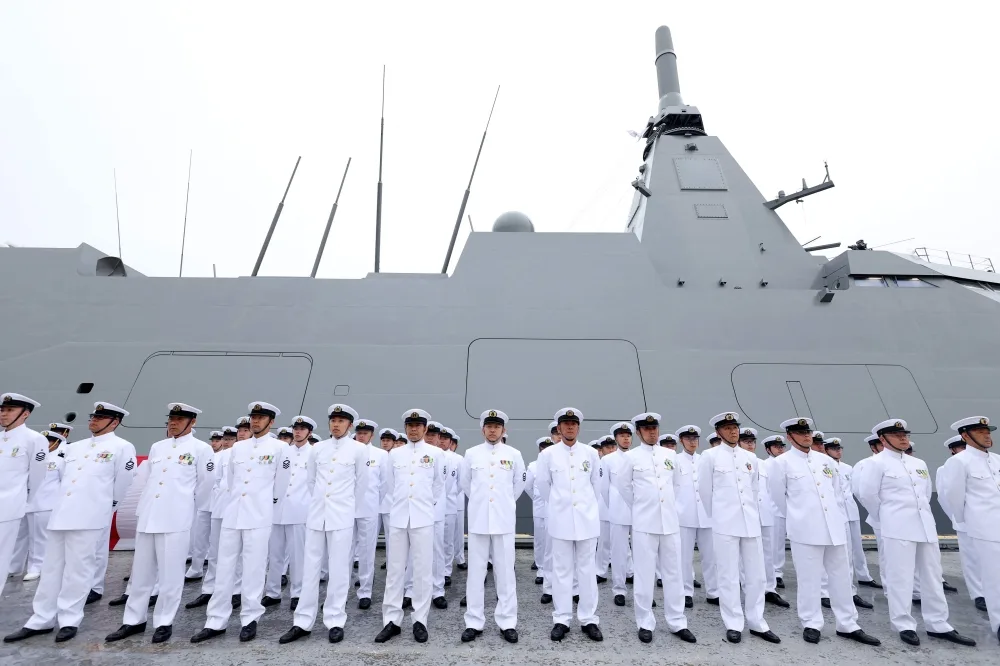
The proposal also includes measures to improve pay, food, housing, and working conditions for Self-Defense Forces personnel [4, 5]. Some costs for roughly 160 projects remain unspecified, and the final budget could exceed 10 trillion yen after the planned revision of three key national security strategy documents by the end of 2026 [1, 2, 4, 5].
Japan is expected to finalize the defense budget after revising the security documents this year, with the new budget and military buildup plan set to take effect in fiscal year 2027 starting in April [1, 2, 4, 5].