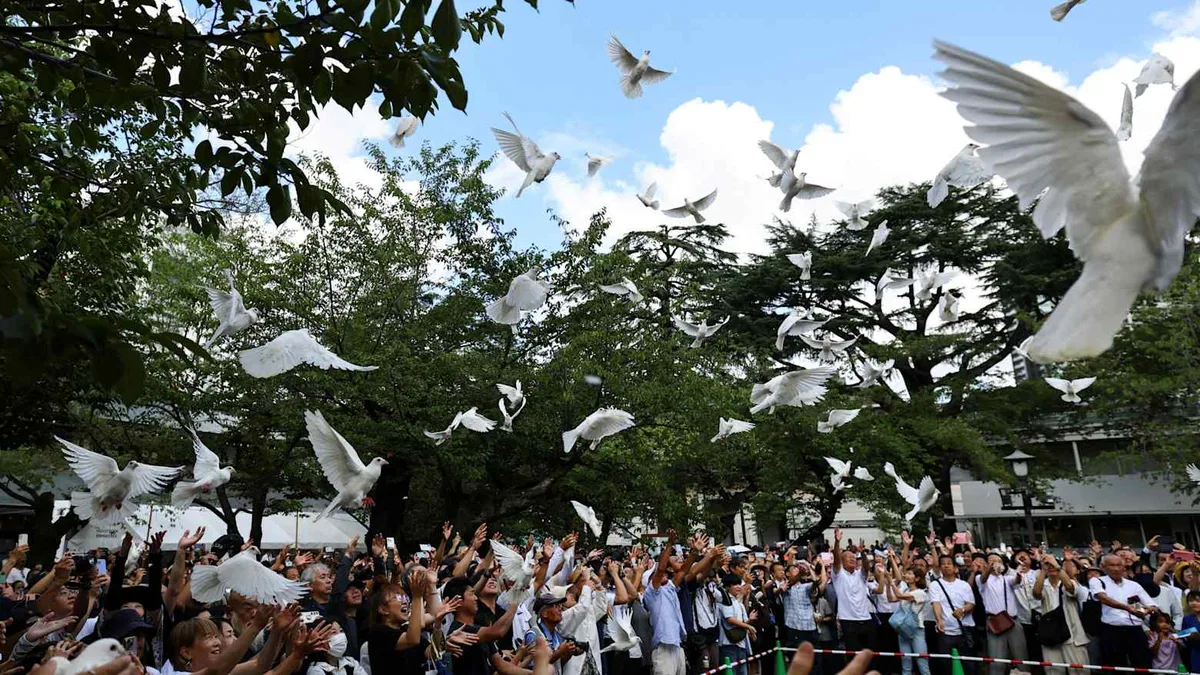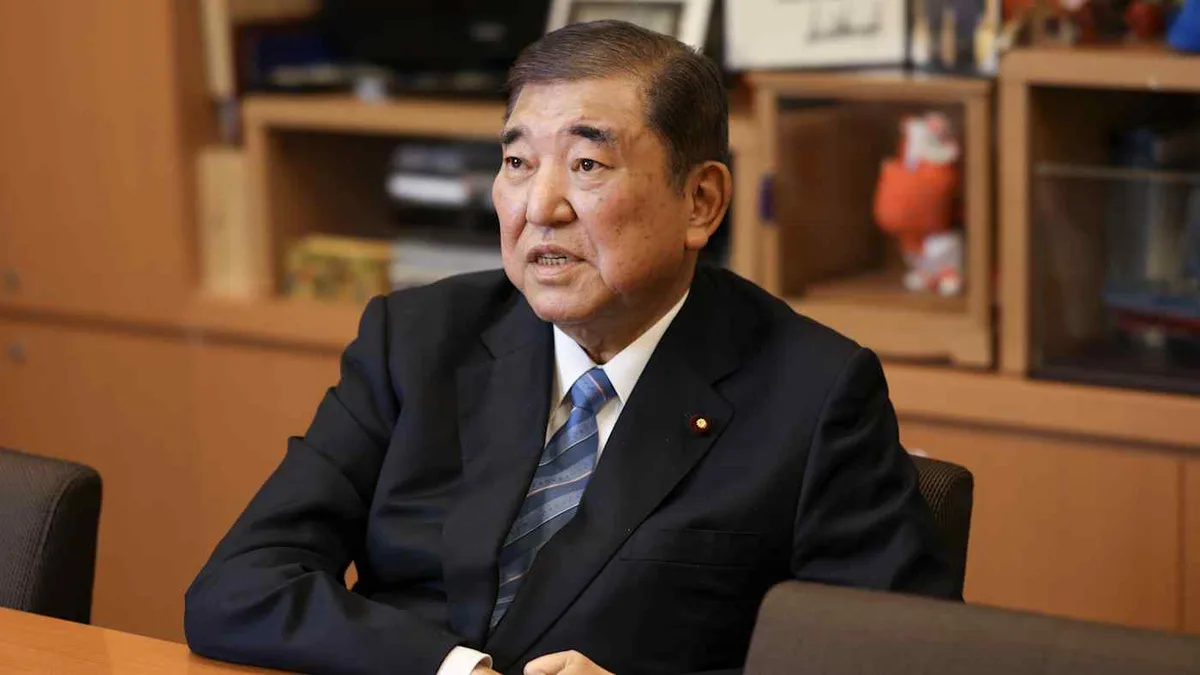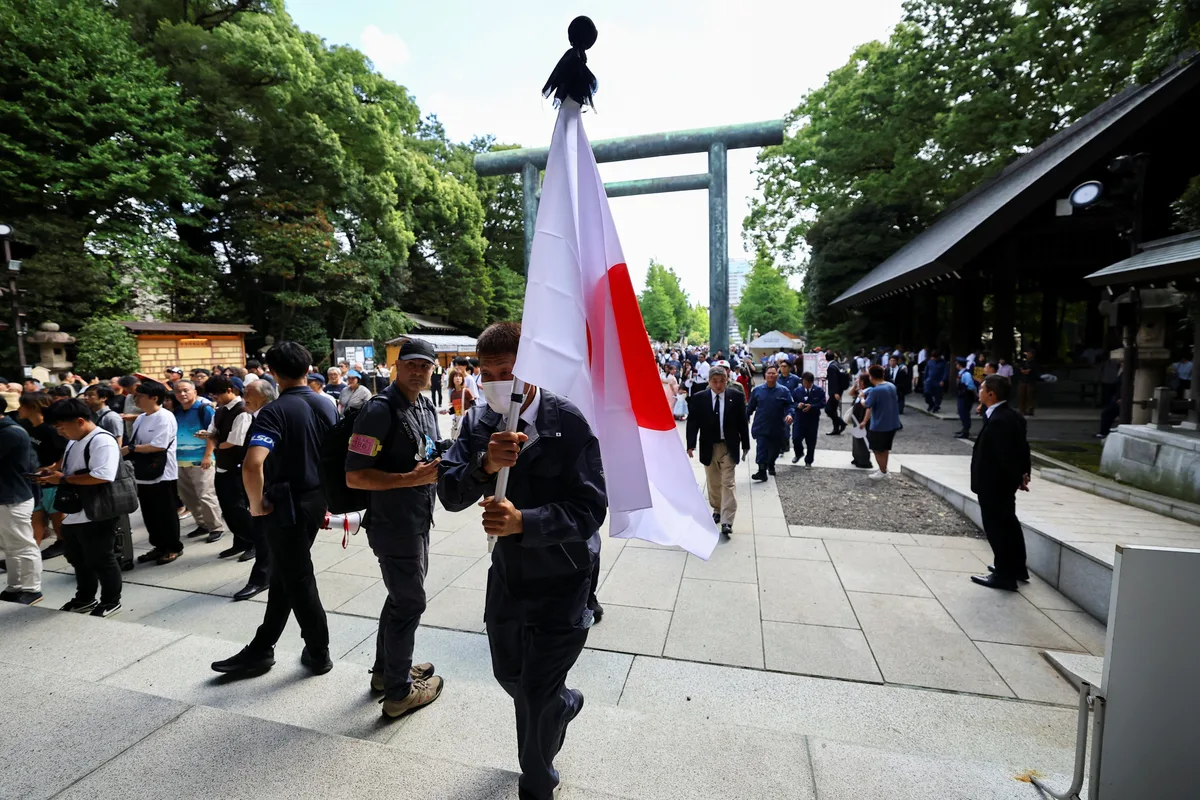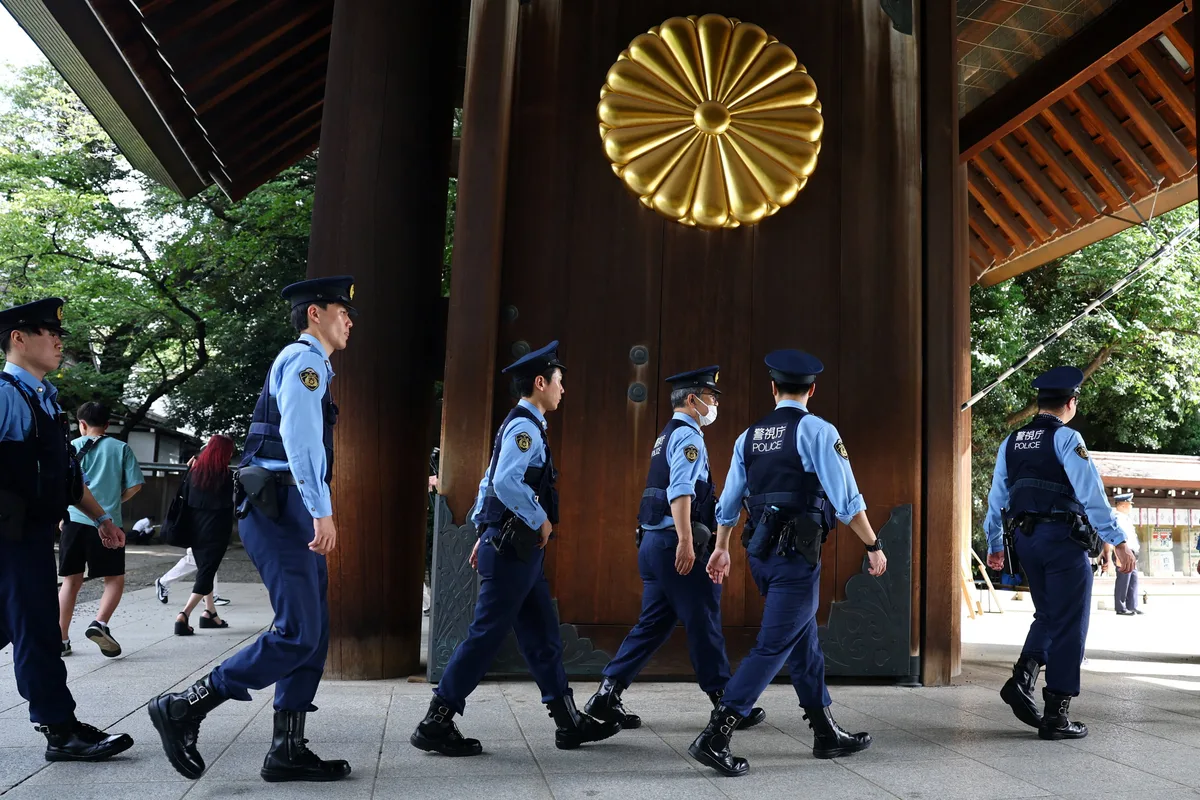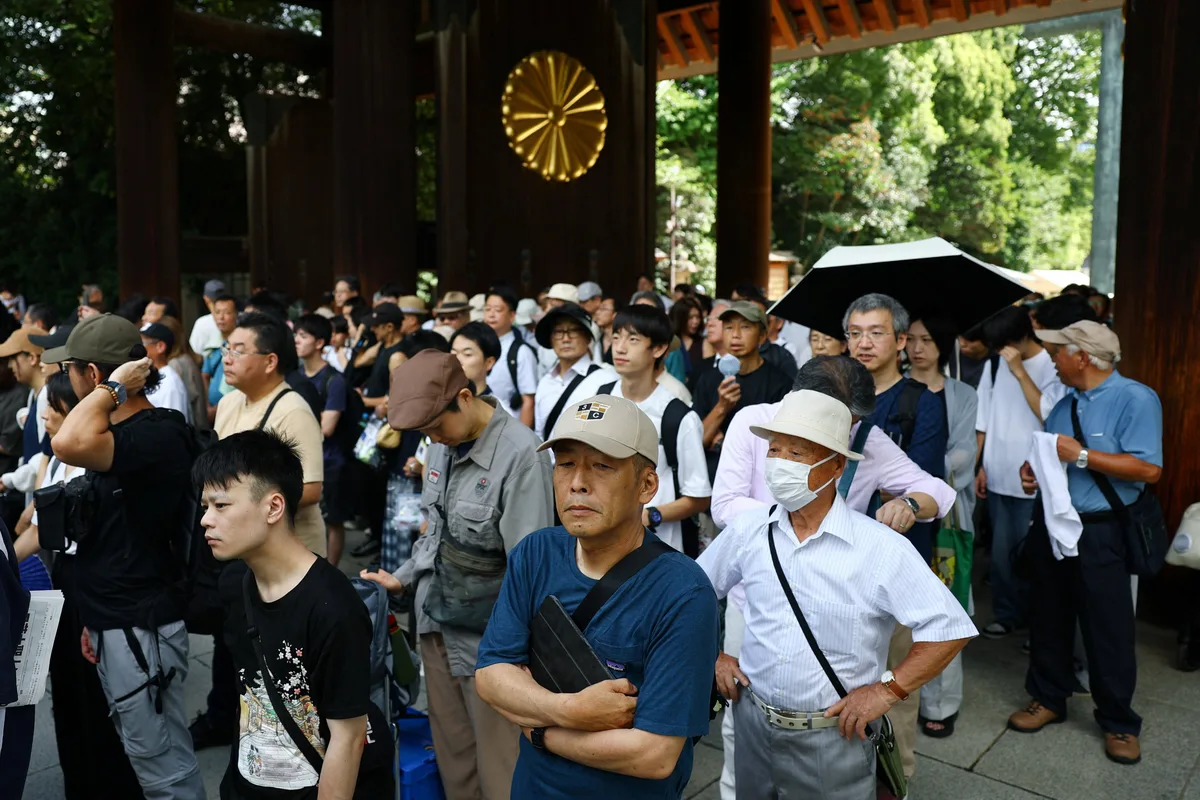
Prime Minister Sanae Takaichi sent a ritual offering to Tokyo's Yasukuni Shrine on August 15, 2026, the 81st anniversary of Japan's World War II surrender, but did not make a personal visit herself [1, 2, 3, 4]. The offering was paid for at Takaichi's own expense, according to senior party officials [2, 4].
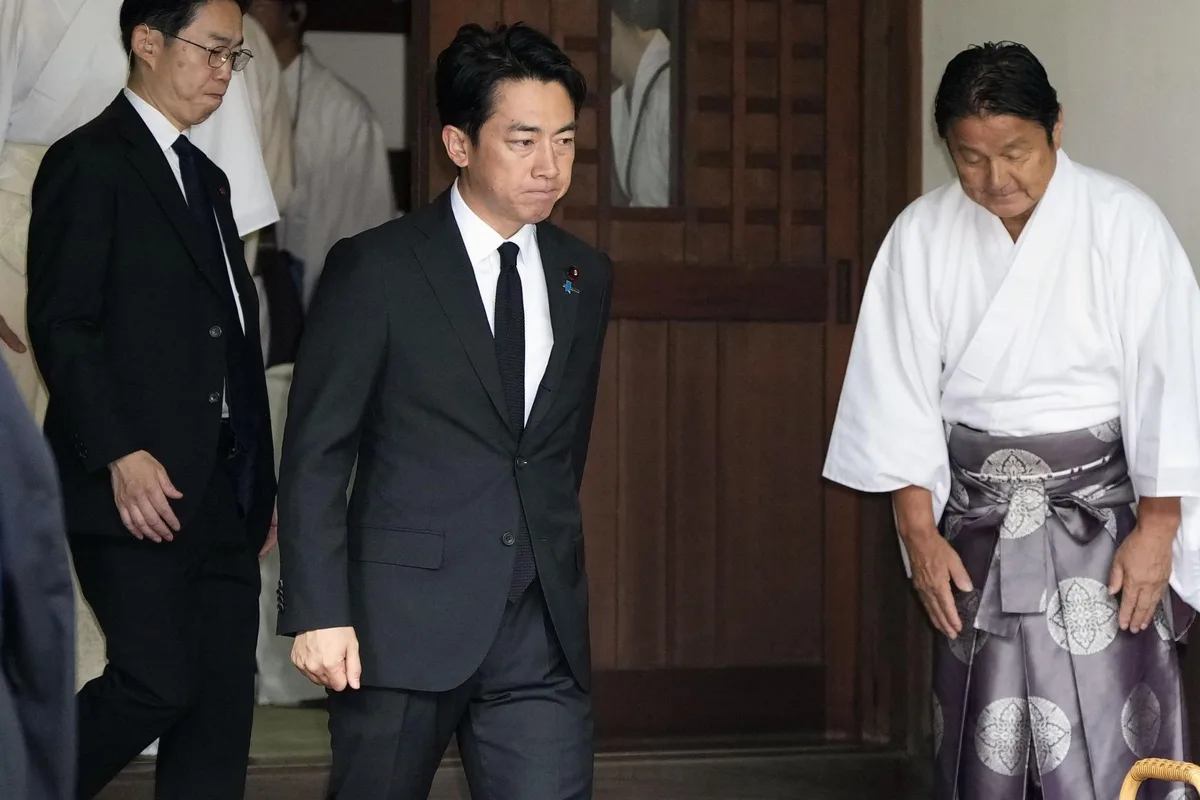
Defense Minister Shinjiro Koizumi visited the shrine on the same day, continuing a practice he maintains regularly [1, 2, 3, 4]. Koizumi was the first sitting defense minister confirmed to visit on the surrender anniversary since Minoru Kihara did so in 2024 [2, 4].
Other cabinet members also visited Yasukuni on August 15, including Hitoshi Kikawada and prominent Liberal Democratic Party executives Shunichi Suzuki, Haruko Arimura, and Yasutoshi Nishimura [2, 4].
Before assuming office as prime minister in October 2025, Takaichi had visited Yasukuni several times but has refrained from visiting since becoming leader [2, 4].
Yasukuni Shrine honors about 2.5 million Japanese war dead, including 14 wartime leaders enshrined as deities since 1978, most of whom were convicted as Class-A war criminals [3, 4]. Visits by Japanese prime ministers and lawmakers to Yasukuni have drawn sharp diplomatic rebukes from China and South Korea [2, 4].
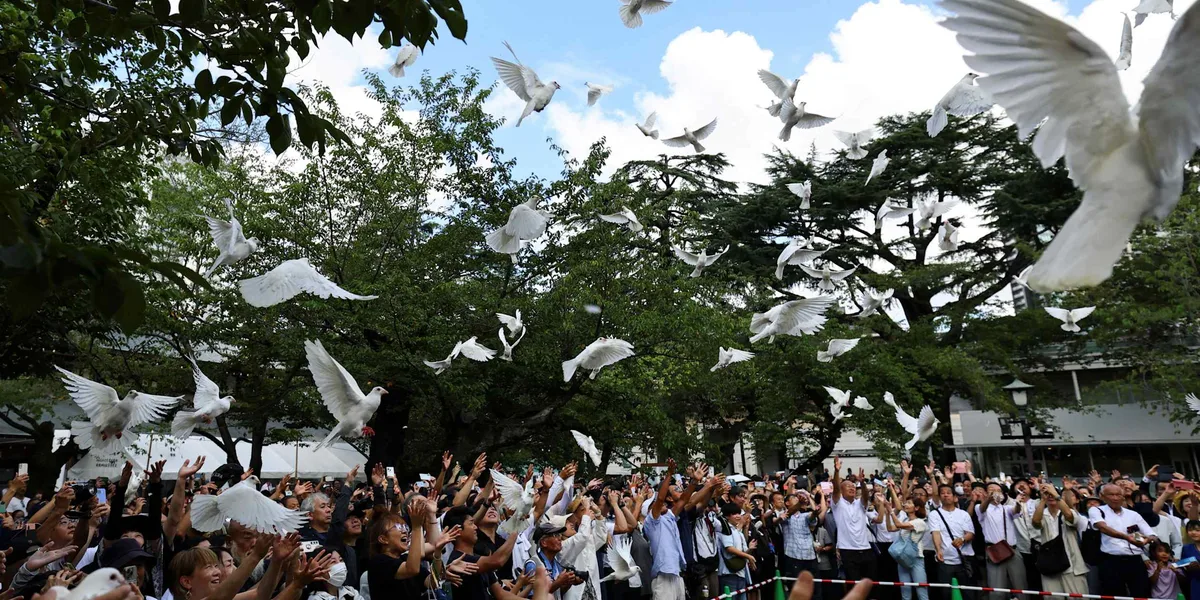
The shrine's commemoration coincided with the 81st anniversary of Japan's surrender in World War II, marked annually on August 15 [1, 3, 4]. Japan has increased defense spending and capabilities citing a more severe security environment following its postwar peace commitments [4].
The next key event will be the ongoing political debates over Japan's defense policies as the government balances historical sensitivities surrounding the Yasukuni Shrine and its regional relations.