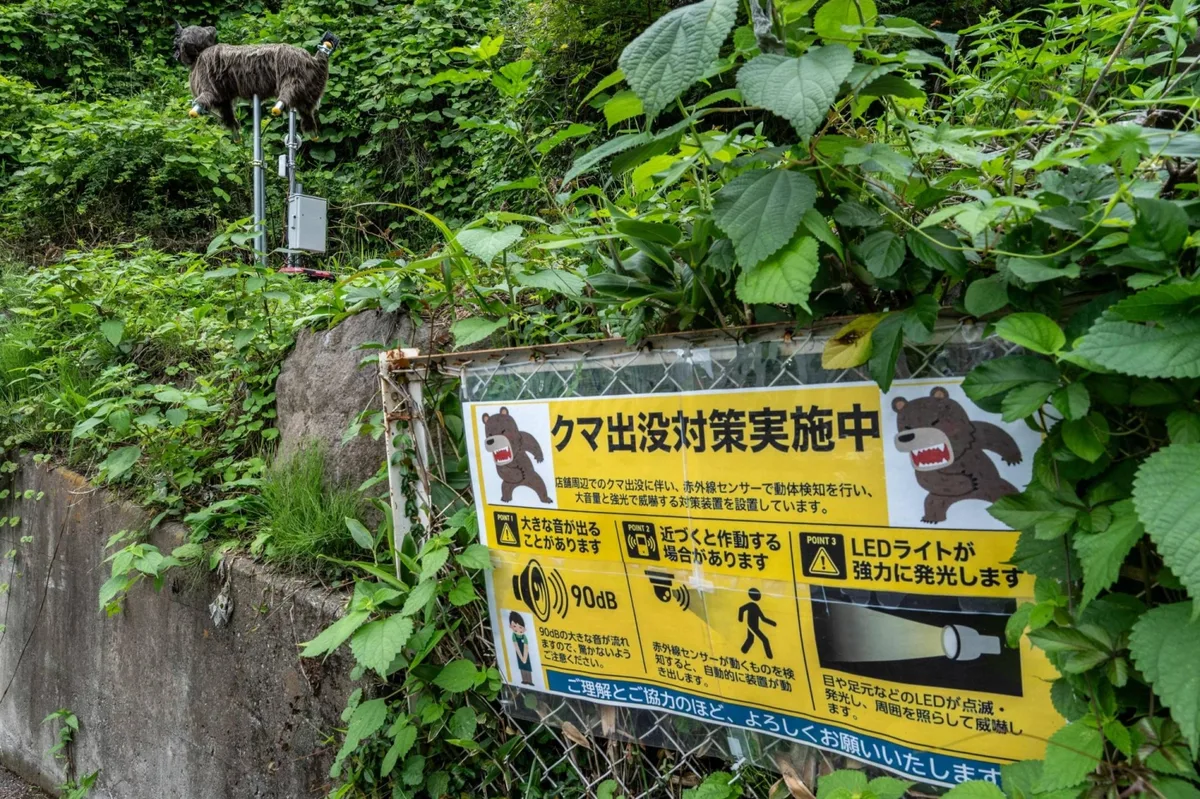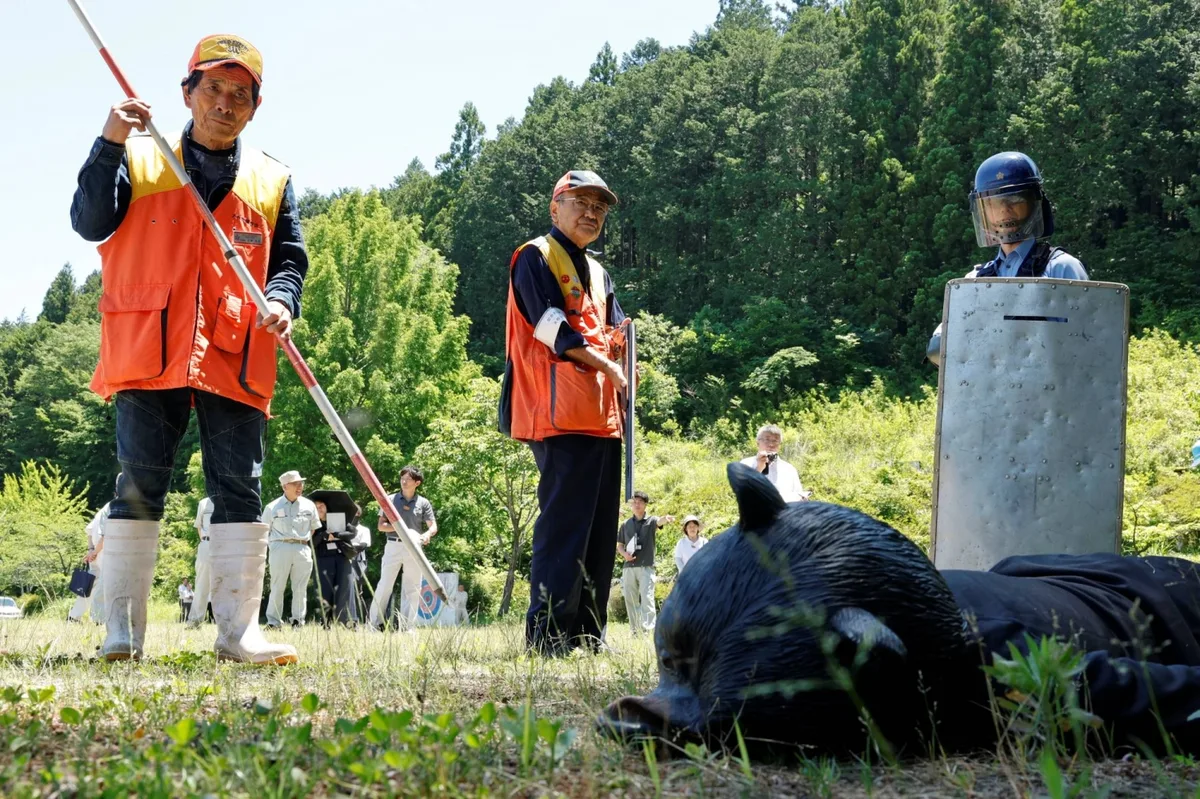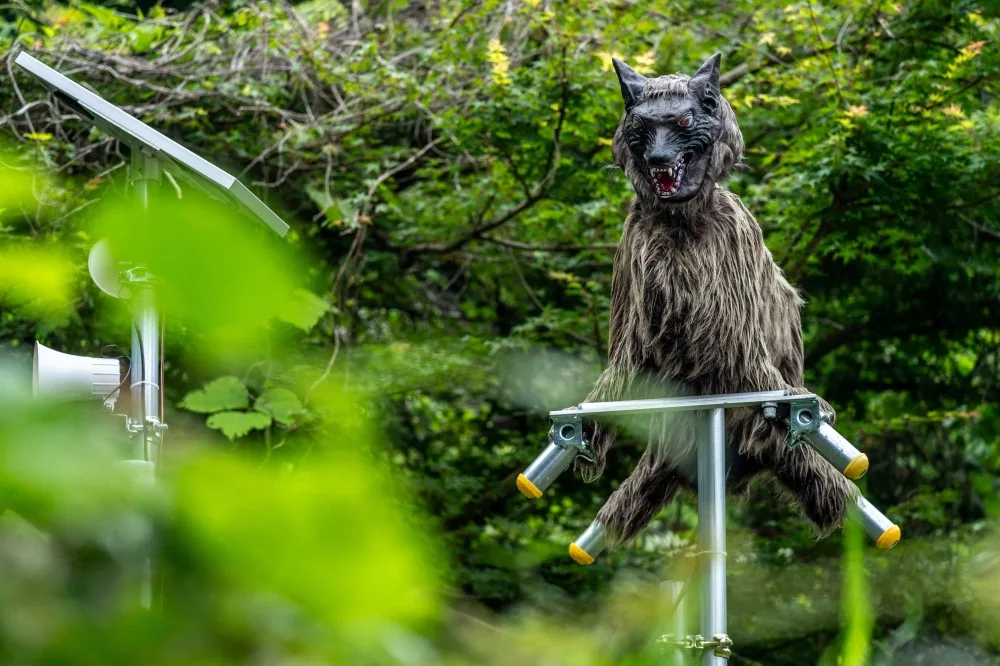
Japan has recorded at least five fatal bear attacks since April 1, 2026, all in the northern Tohoku region, following a record 13 deaths across the country in fiscal 2025 [1, 2, 3, 4]. Authorities are investigating a sixth possible fatality after a man’s body with bear bite marks was found in a mountainous area in Tohoku in late June [1, 2, 3, 4]. Fatal attacks have increased fivefold since April compared to 2025 [1, 2].
Nationwide bear sightings exceeded 50,000 in the year to March 2026, more than double the previous record from two years earlier [1]. Scientists attribute the rise in attacks mainly to increasing bear populations alongside declining rural human populations [1, 2, 3, 4].
In June 2026, a bear roaming urban areas in Utsunomiya city forced multiple school closures. The animal was captured after a multi-day police and hunter operation [1, 2, 3]. On July 1, a man accidentally discharged anti-bear spray inside a Nagoya post office, causing eight people to feel sick and five to require hospitalization. None suffered serious injuries. Ryohei Asano of the fire department said, "Eight people felt sick, and of those five were sent to hospital. But there was no report of serious injuries or illness" [2, 3, 4]. The man responsible, identified as 22-year-old Vietnamese national Huynh Nhat Duy, was arrested for obstruction of business [3, 4].
Authorities began deploying more than 800 baited cameras in early July to survey bear populations in northern Japan’s mountains, targeting six groups in Tohoku. Yu Takahashi, an official from the environment ministry, said, "Until now, local governments surveyed bear populations in their jurisdictions at various times and using various methods. Our plan is to conduct a more accurate survey by focusing on population groups" [3, 4].
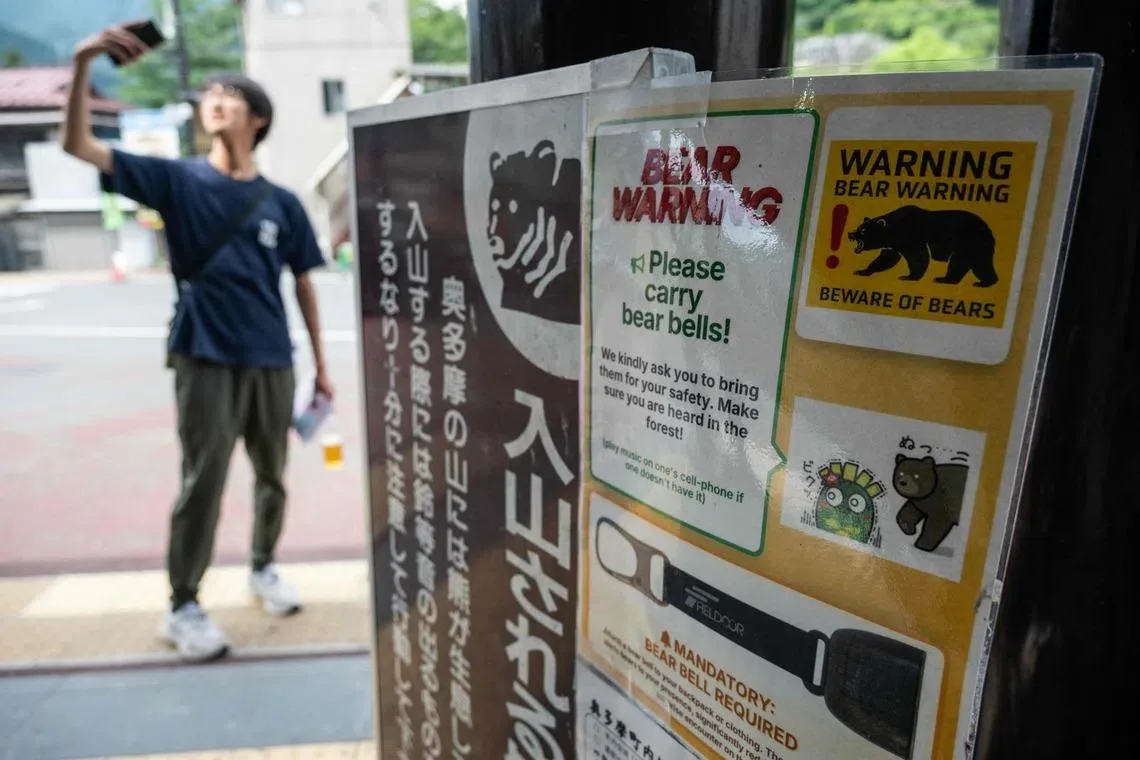
Officials advise people to avoid entering mountainous areas alone, which cover about 80% of Japan, and recommend attaching bells to bags and carrying capsaicin-based bear sprays for deterrence [3, 4].