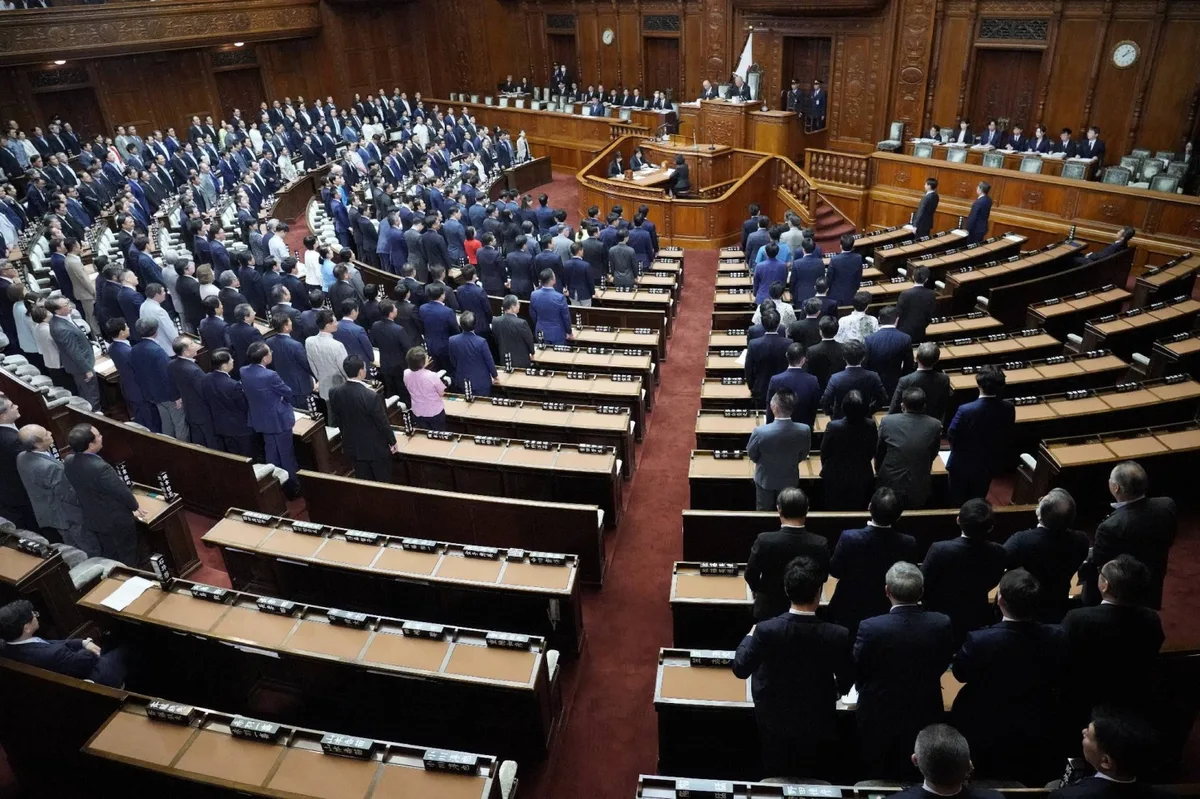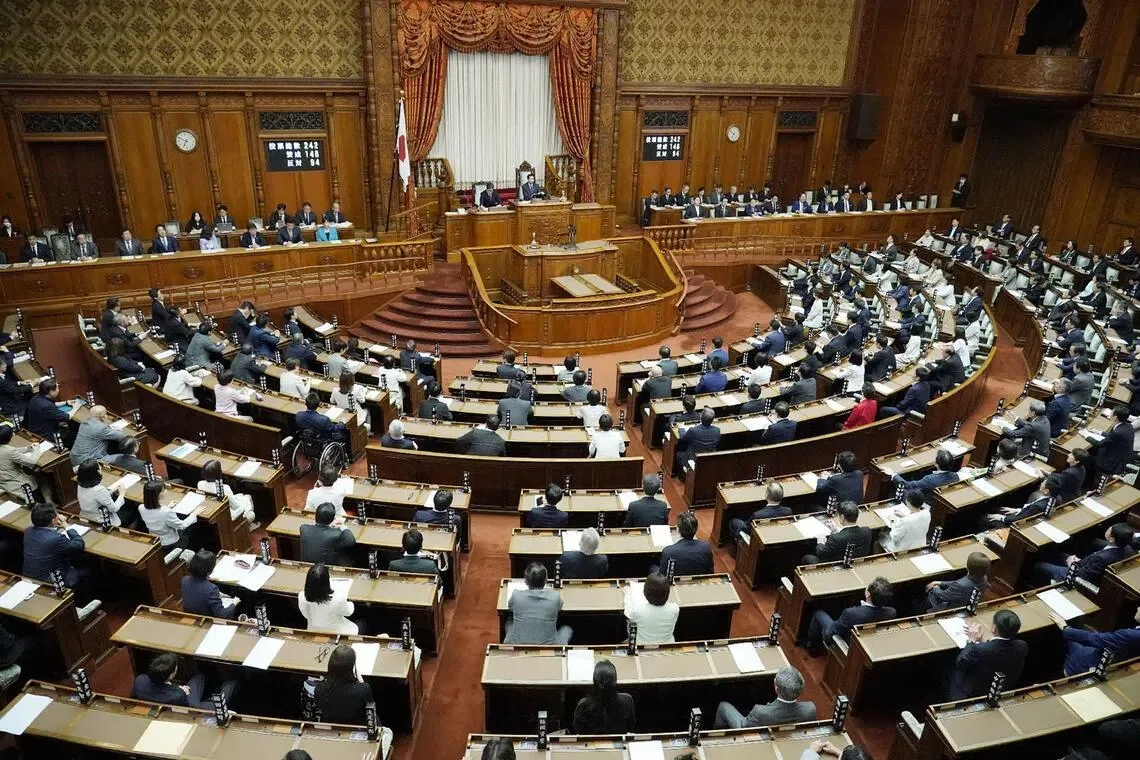
Japan’s parliament will expand the women’s toilet next to the main chamber from two to four cubicles following a petition by 58 female MPs, officials announced on July 2, 2026 [1, 2, 3]. The expansion is expected to be completed after the current Diet session ends on July 17, 2026 [1, 2, 3].
The Diet building currently has 12 men’s toilets with 67 stalls but only 9 women’s toilets totaling 22 cubicles, highlighting a disparity that female lawmakers have called attention to [1, 2, 3]. The building was completed in 1936, nearly a decade before women gained the vote in 1945, a fact critics say contributes to outdated gender accommodations [1, 2, 3].
Hideko Nishioka, a female MP, said she welcomed the changes, saying, "I welcome the move to improve, if only a little, the sheer shortage of women’s restrooms for Diet staff and secretaries as well" [1]. Another lawmaker, Yasuko Komiyama, described how many women queue before plenary sessions, underscoring the daily inconvenience caused by insufficient facilities [2].
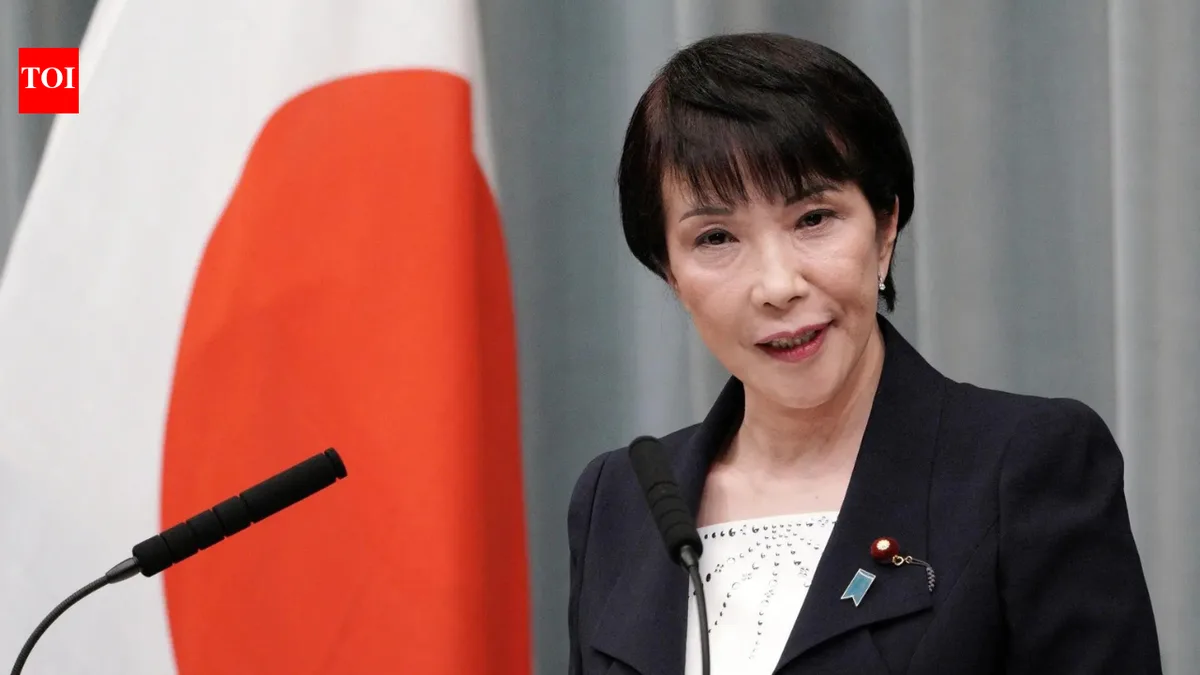
The female lawmaker petition, submitted in December 2025, included representatives across party lines and former woman Prime Minister Sanae Takaichi [1, 2, 3]. Plans are also under consideration to add more women’s toilet stalls on other floors of the Diet building, although details remain tentative [1, 2, 3].
Women remain under-represented in Japanese politics, with only 68 women elected out of 465 lower house seats in the February 2026 election, despite government goals to increase female legislative participation to at least 30% [1, 2, 3]. Women also face sexist comments during campaigns, such as being told they should stay home to care for children [1, 2, 3].
Japan ranks 118th out of 148 countries in the 2025 World Economic Forum Global Gender Gap Report, reflecting wider gender inequality in business and media as well as politics [1, 2, 3].
The addition of two women’s toilet cubicles near the main chamber will take effect by July 17, 2026, marking a small but tangible change in the parliamentary environment for women lawmakers [1, 2, 3].