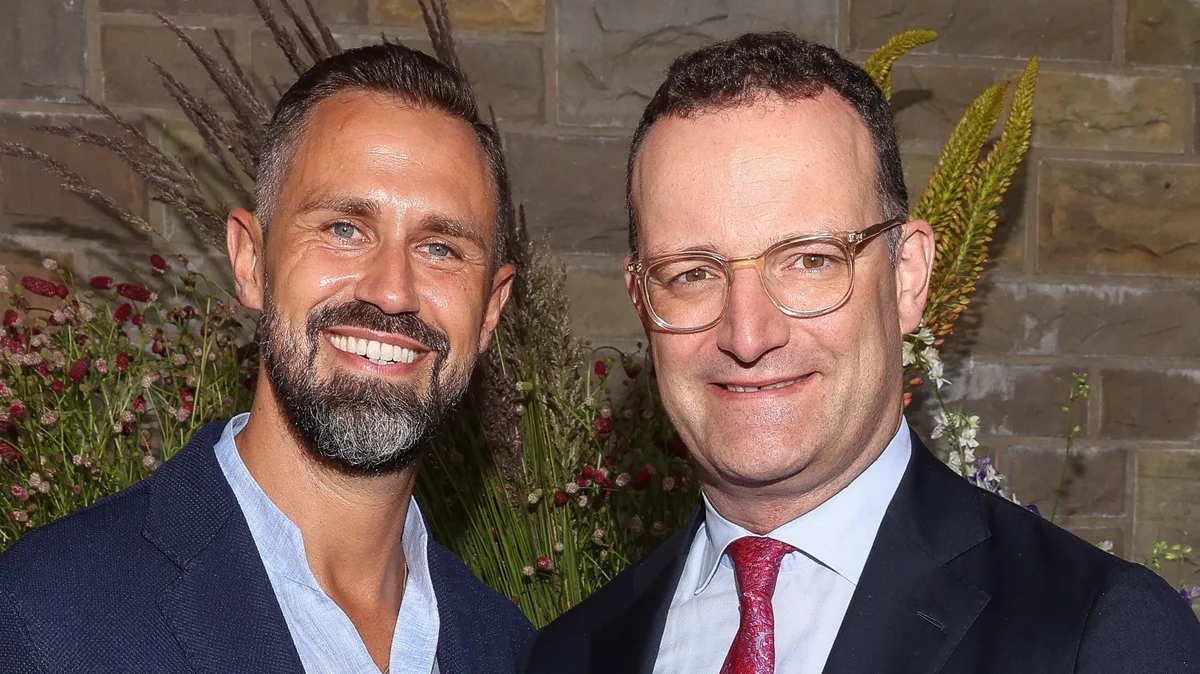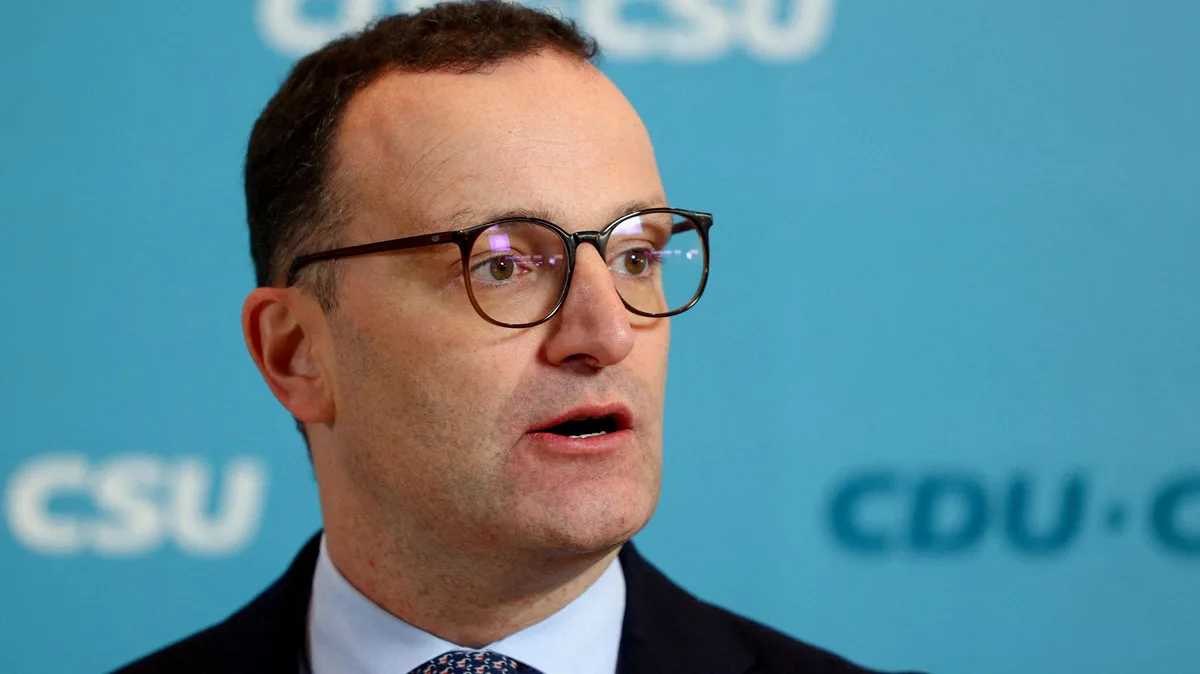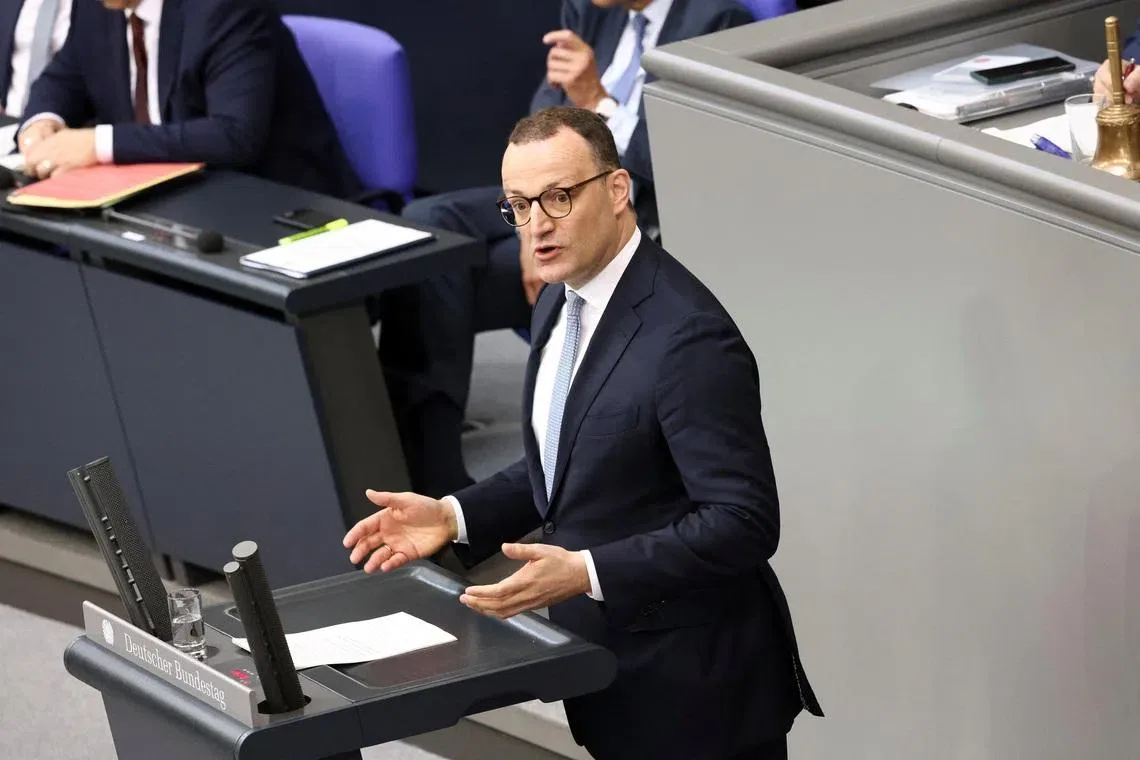
Jens Spahn stepped down as parliamentary group leader of the CDU/CSU coalition on July 18, 2026, amid controversy over his decision to have a child via surrogacy in the United States [1, 2, 3]. The 46-year-old politician said, "I have realised that my personal happiness – founding a family together with my husband and becoming a father – is not compatible with my political office" [1].
Spahn and his husband, Daniel Funke, welcomed their son, Georg, through surrogacy abroad, a practice banned under Germany’s 1990 Embryo Protection Act [1, 3, 4]. The law prohibits surrogacy and carries penalties including up to three years imprisonment or a fine [1, 3, 4]. Funke described Georg as "our greatest joy" and said the surrogate mother remains an important figure in their family [3].
Spahn had previously opposed any relaxation of the surrogacy ban in Germany, including rejecting calls to change the law when he was health minister in 2020 [1, 3, 4, 5]. The CDU and its sister party CSU reiterated their opposition as recently as their February 2026 party conference [1, 3, 6].
The revelation triggered sharp criticism within CDU/CSU circles over perceived double standards. Daniel Peters, chairman of CDU Mecklenburg-Western Pomerania, said Spahn "is no longer tenable as chair of the parliamentary group and must resign," adding, "It is completely unacceptable for Spahn to vote one way as a senior CDU politician and then act quite differently as a private individual" [3]. Opposition leader Luigi Pantisano accused top politicians of bending laws for themselves, saying, "The law always applies to ordinary people, but for top politicians, they apparently apply only until they have enough money to go abroad" [7].
Spahn initially defended his choice in media interviews and shared his personal struggles before deciding on surrogacy [3, 6]. Yet he acknowledged the difficulty of reconciling his private decision with his political role, stating, "The balancing act between my private decision to have a child through surrogacy and the understandable expectations placed on me as Chairman of our parliamentary group has become greater than I anticipated" [1].
Chancellor Friedrich Merz welcomed the resignation, calling it "right and inevitable," and emphasizing that "credibility is the highest asset in politics" [1]. Alexander Hoffmann, head of the CSU parliamentary group, will reportedly serve as interim leader until a permanent replacement is chosen [1, 5]. Hoffmann said Spahn's decision "deserves the utmost respect" [1].
Surrogacy abroad remains legal in Germany, allowing parents to raise children born through surrogacy overseas, despite the domestic ban [1, 2, 3, 6]. The total cost of surrogacy abroad can range from $100,000 to $250,000, covering agency, legal, and insurance fees [4].
Spahn retains his seat as a federal MP but has stepped down only from the CDU/CSU parliamentary leadership [4, 5]. The party is expected to elect a new group leader in the coming weeks.