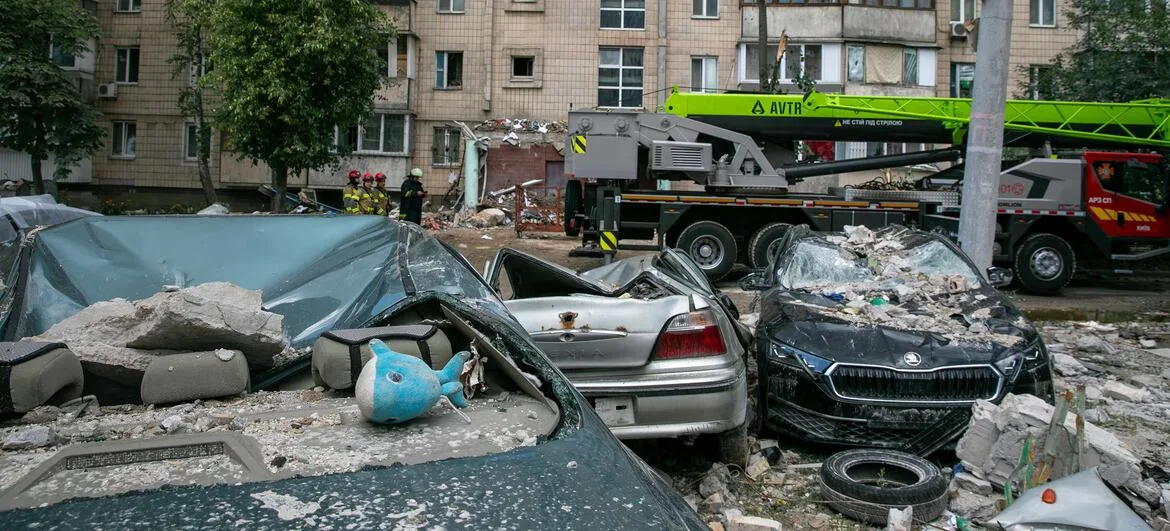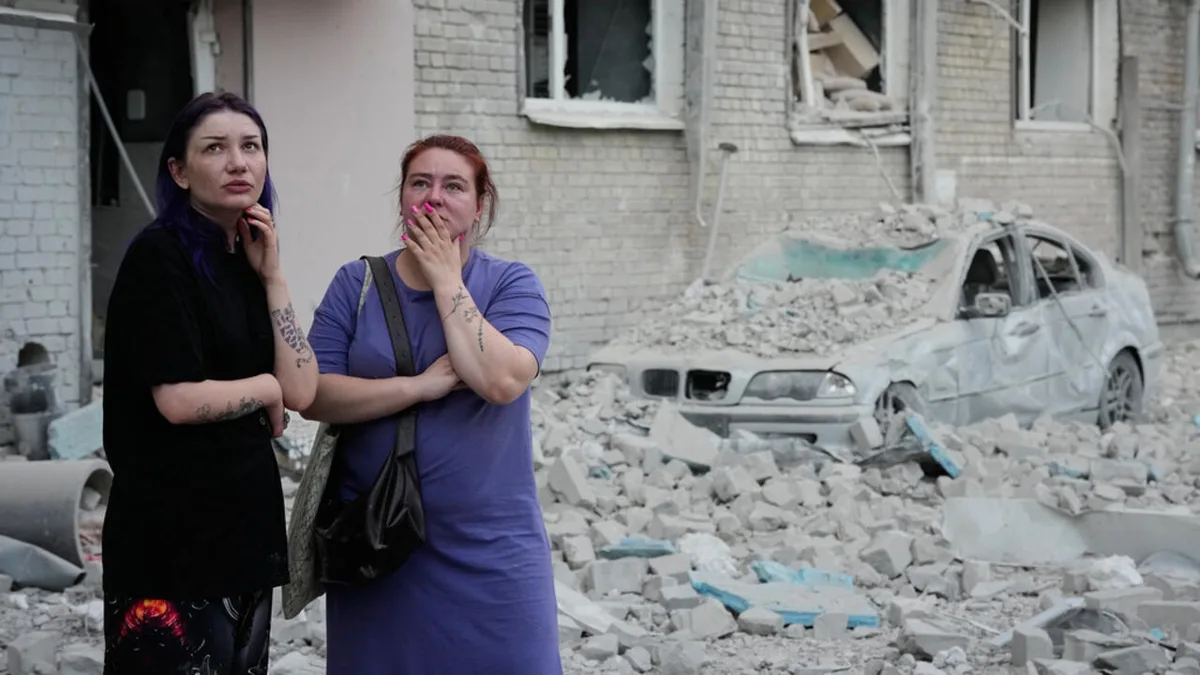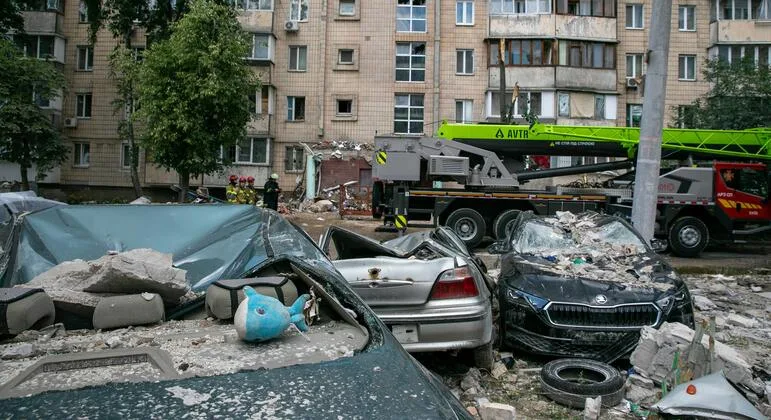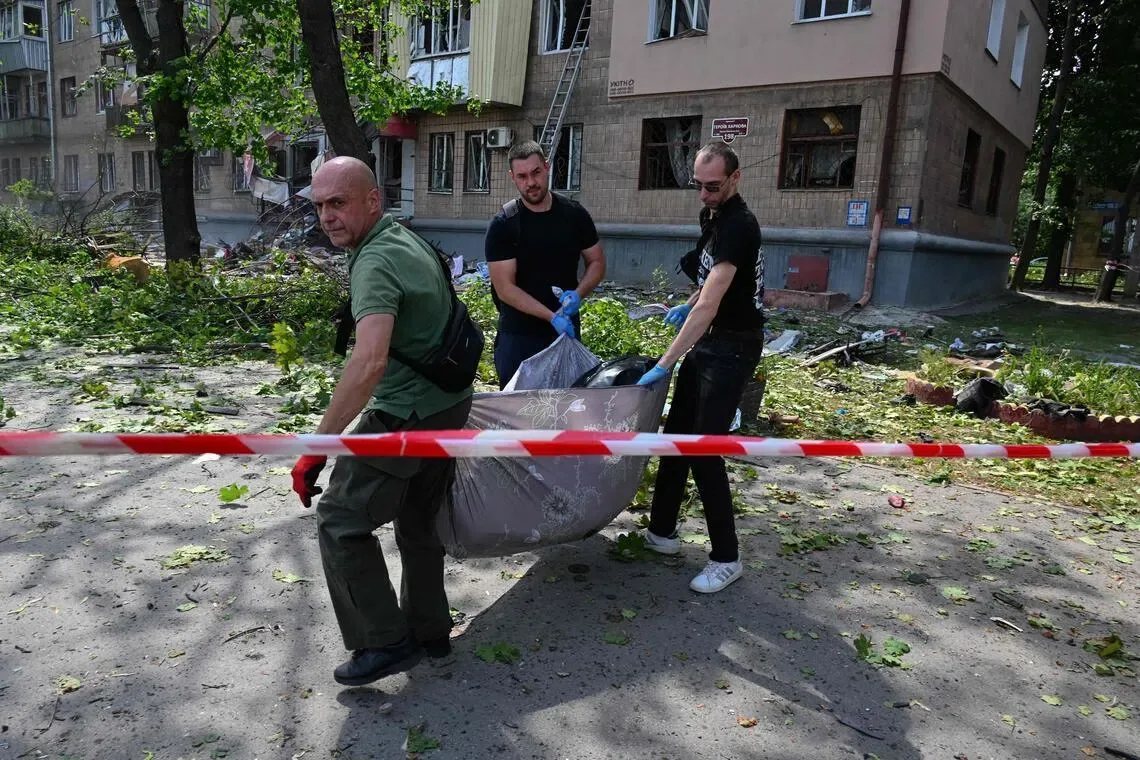
June 2026 saw a sharp rise in civilian casualties in Ukraine, with at least 293 killed and 1,990 injured amid intensified Russian missile and drone strikes, marking the deadliest month since the war began in April 2022 [1, 2, 3, 4, 5, 6]. The UN Human Rights Monitoring Mission in Ukraine stated that the increase was driven mainly by long-range Russian attacks on urban areas far from the front line [1].
Civilian deaths in Ukraine increased by 37% in the first half of 2026 compared to the same period in 2025, with 1,396 verified deaths from January to June [1, 2, 3, 4, 5, 6]. Meanwhile, Russian authorities reported 250 civilian deaths and 1,596 injuries on their territory during the first half of 2026, a 121% year-on-year increase [1, 2, 3, 4, 6].
Since Russia’s full-scale invasion in February 2022, verified civilian deaths in Ukraine have reached 16,431, though the actual toll may be higher due to difficulties verifying casualties in areas under Russian control such as Mariupol and Lysychansk [1, 2, 3, 4, 6]. Verified child deaths range from 803 according to UN English sources to over 3,700 as per UN Chinese sources, indicating discrepancies in reporting [1, 2].
Russian forces have intensified long-range missile and drone attacks on major Ukrainian cities like Kyiv, Dnipro, and Odesa, exploiting Ukraine’s depleted air-defense missile stocks [1, 2, 3, 4, 5, 6]. Short-range drone strikes in frontline areas have also caused high civilian casualties, with June 2026 being the deadliest month to date for such attacks [2, 5]. As HRMMU Head Matilda Bogner said, “Many say they feel pursued by short-range drones just trying to go about their daily activities” [5]. A Ukrainian elderly woman from a frontline village described constant drone presence overhead and continuous shelling, saying, “I don’t know where to hide. It is filled with terrible fear” [2].
Ukrainian President Volodymyr Zelensky urged the US and European allies to provide more air-defense missiles to cover the shortfall and better protect cities from Russian barrages [1, 3, 4, 5, 6]. Recently, the frontline has stabilized somewhat but the lack of air-defense missiles has left urban centers vulnerable to intensified Russian attacks [1, 3, 4, 5, 6].
Peace talks to end the conflict remain stalled amid ongoing hostilities [1, 4, 6]. On July 2, 2026, a Russian missile strike on Kyiv killed at least 30 civilians, including a six-member family, highlighting the continued threat to urban populations [5].
The coming weeks will be crucial as Ukraine awaits further Western military support to bolster its air defenses against persistent Russian missile and drone strikes.