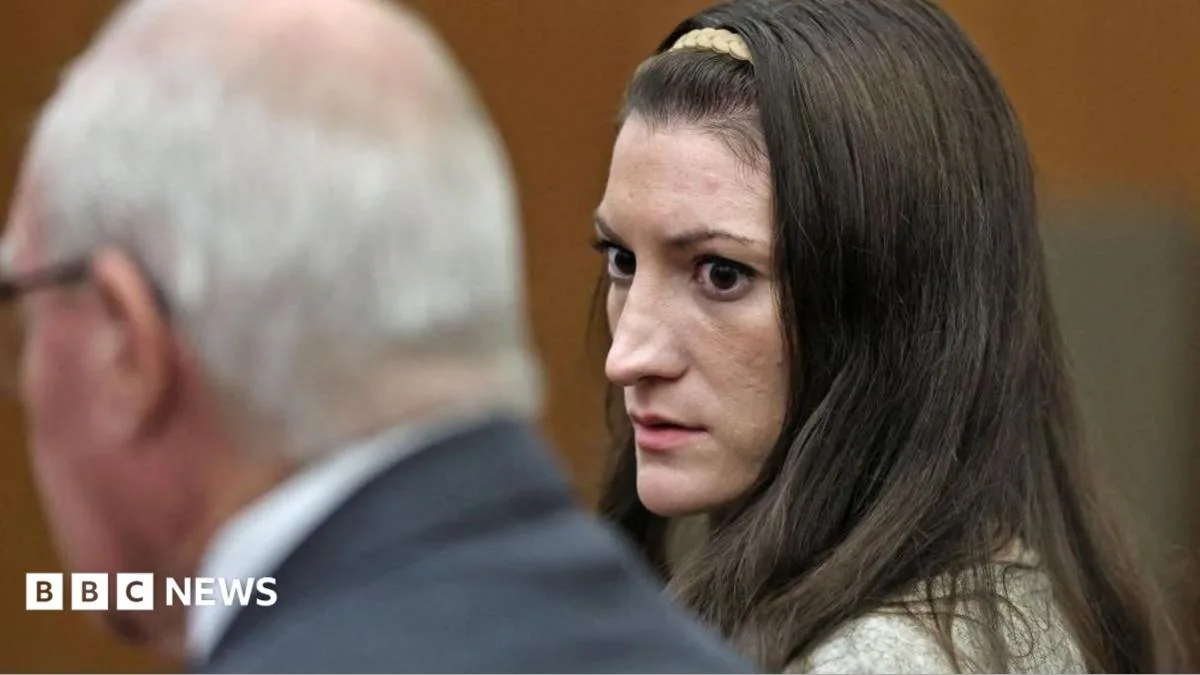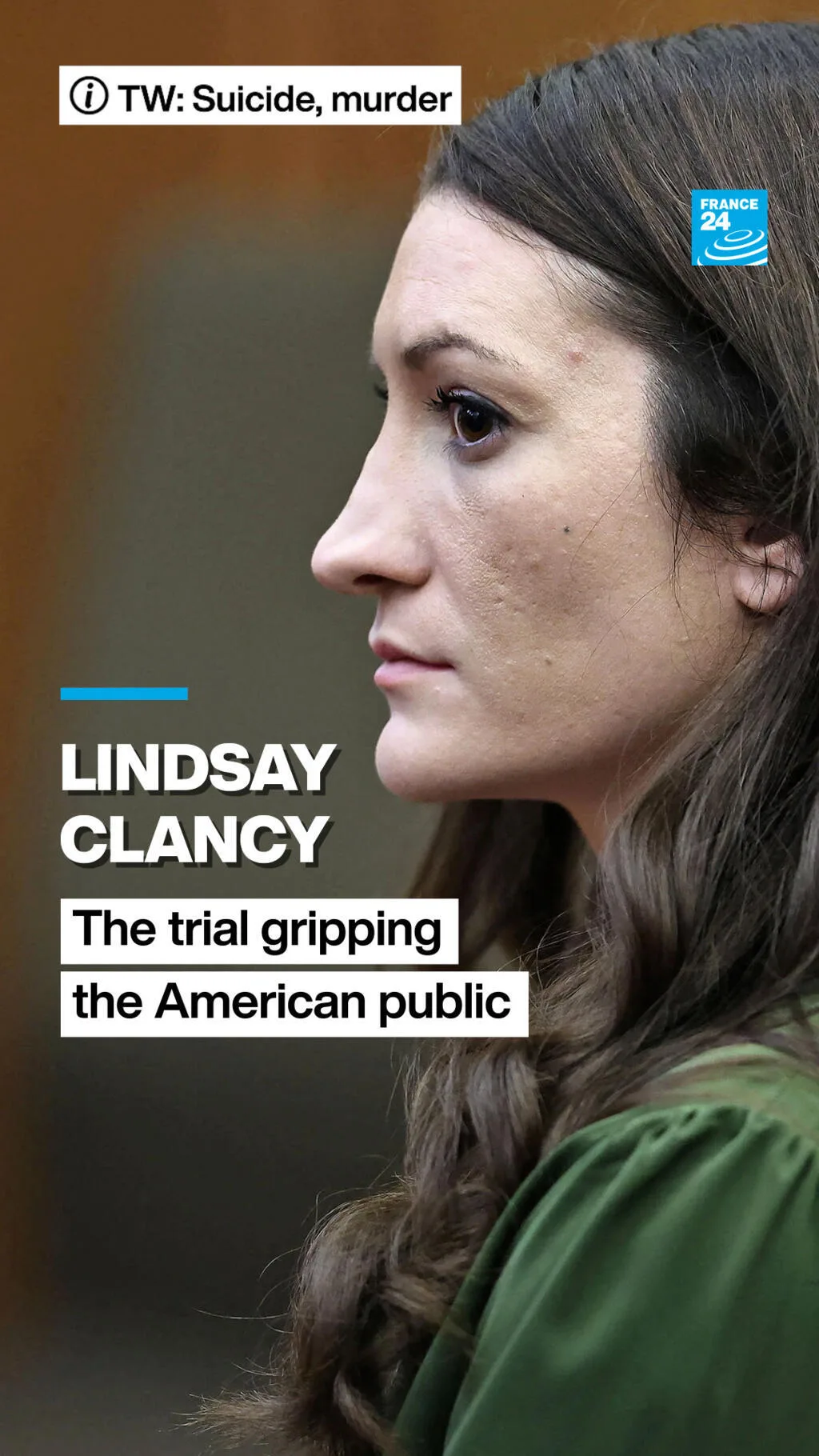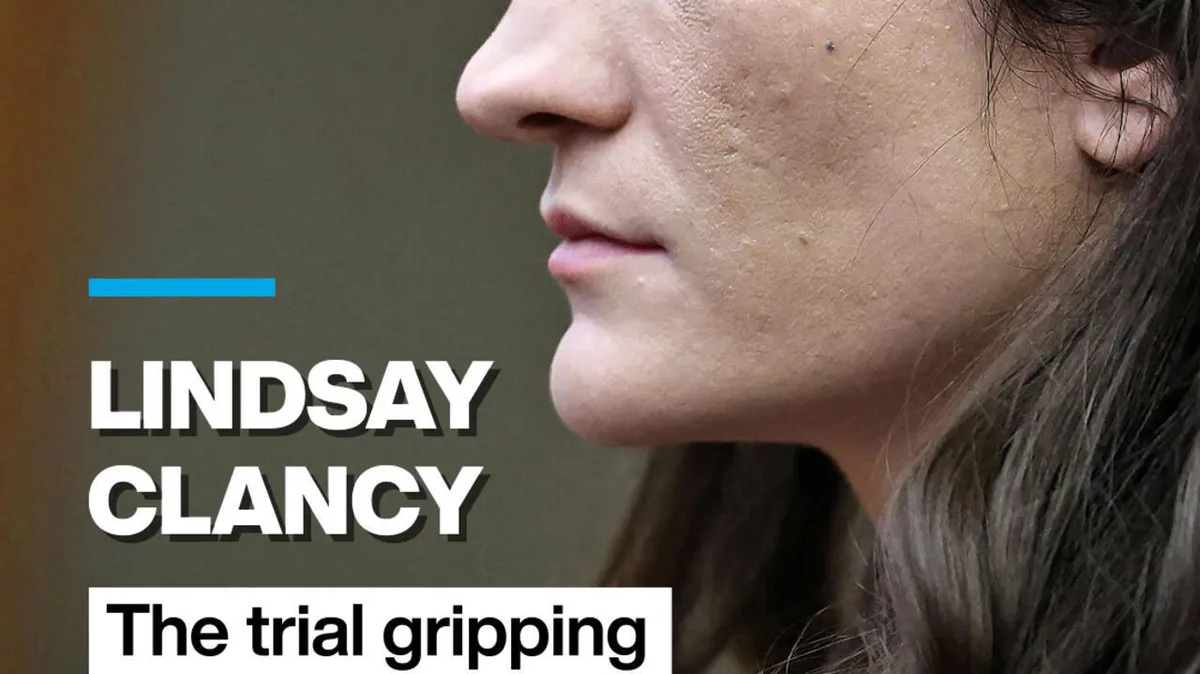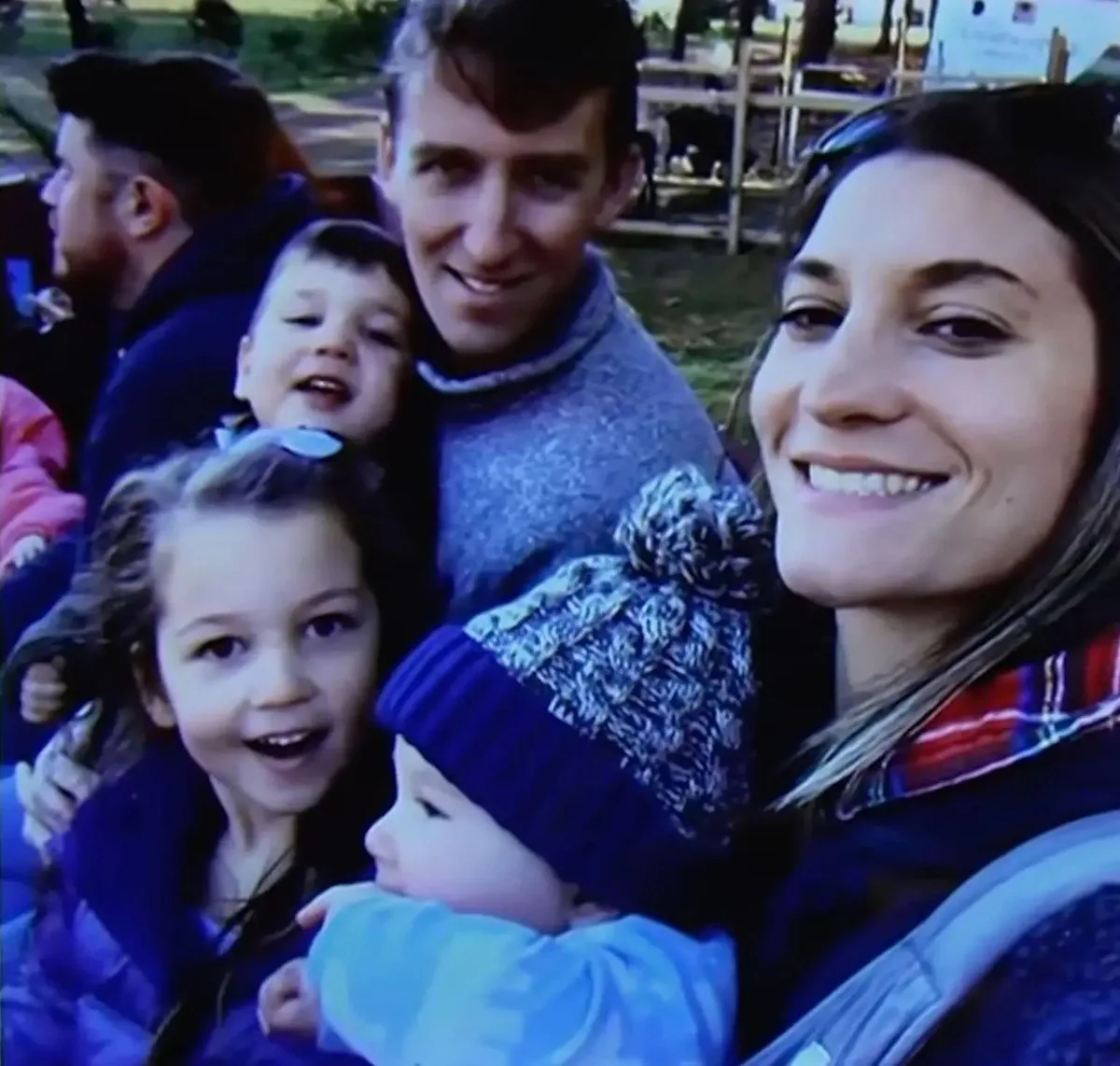
Lindsay Clancy, 36, faces three counts of first-degree murder for strangling her three children with fitness bands in their Massachusetts home in January 2023 [1, 2, 3]. Clancy, a former labor and delivery nurse, admits to killing her children but claims postpartum psychosis caused her to lose touch with reality and impaired her ability to distinguish right from wrong [1, 2]. Prosecutors say she made an intentional and calculated decision to kill and was aware of her actions [1, 2, 3].
The jury of 12 members—nine women and three men—began deliberations on August 27, 2026, after closing arguments. They have now spent over 23 hours deliberating across six days between August 27 and September 3, with at least two deadlock reports [1, 2, 3, 4]. A holdout juror reportedly refuses to apply the reasonable doubt standard, complicating efforts to reach a unanimous verdict [4].
Judge William Sullivan urged the jury to continue deliberations after receiving a deadlock note on September 1. "I know there were over 80 witnesses. There were over 300 exhibits," Sullivan said when instructing the jury to resume talks [1, 2, 3]. Despite defense efforts to remove the holdout juror, the judge declined to dismiss any jurors to avoid disrupting deliberations [4].
The trial's evidence included testimony from medical experts, Clancy's former husband, and more than 80 witnesses, supported by 300 exhibits [1, 3]. The defense argues Clancy sought treatment for worsening postpartum psychosis and depression before the killings [2]. Prosecutors maintain she acted consciously and deliberately [1, 2, 3].
If convicted of first-degree murder, Clancy faces life in prison without parole. Lesser charges such as second-degree murder and manslaughter remain possible. An acquittal based on lack of criminal responsibility could result in confinement in a mental health facility if she is deemed a public danger [1, 2, 3].
Retired Massachusetts judge Jack Lu noted it is common for juries in emotional cases to initially report deadlock and later reach verdicts. "So you could see a unanimous verdict later in this case," he said [3]. Judge Sullivan has not issued a "dynamite" charge to pressure the jury toward agreement [1, 3].
If the jury fails to reach a unanimous verdict, Sullivan may declare a mistrial, leading to a possible retrial. Defense attorney Kevin Reddington said he is prepared for that scenario, adding, "Bring it," referring to his readiness with witnesses and evidence [4]. Deliberations resumed after the jury disclosed a dispute with the holdout juror on September 3 [4].