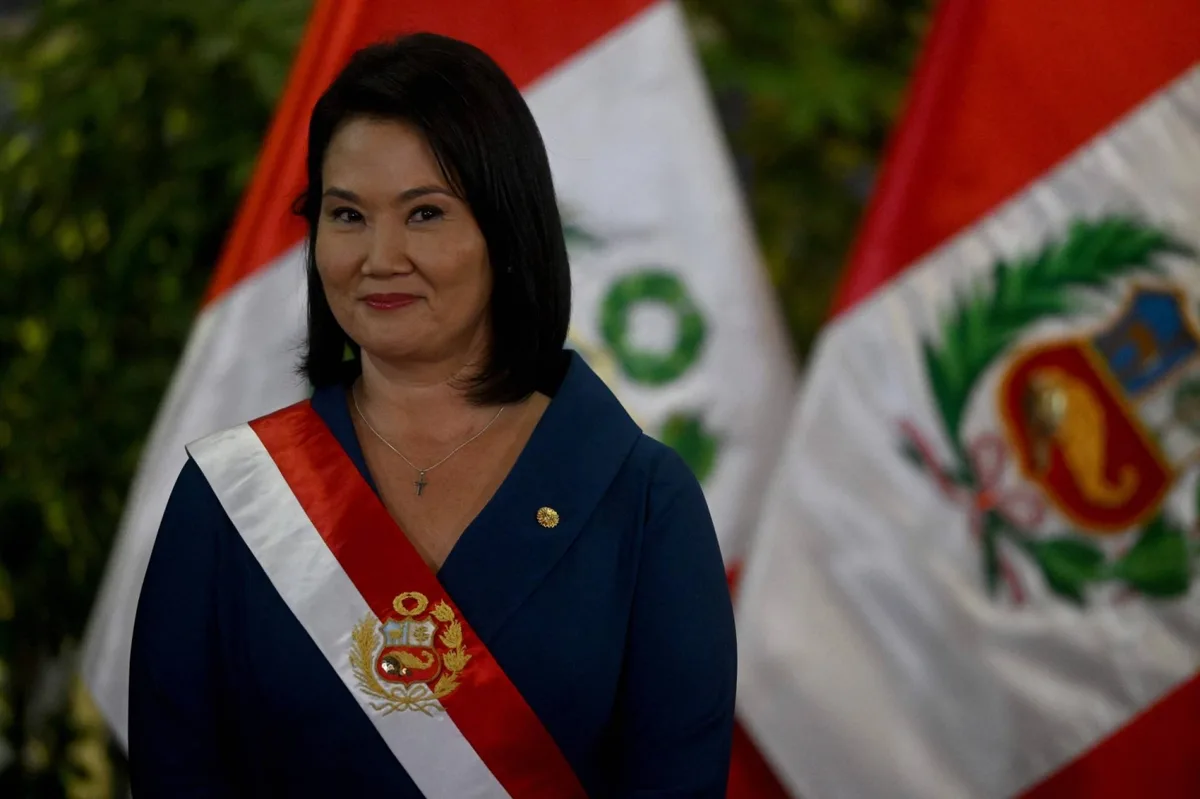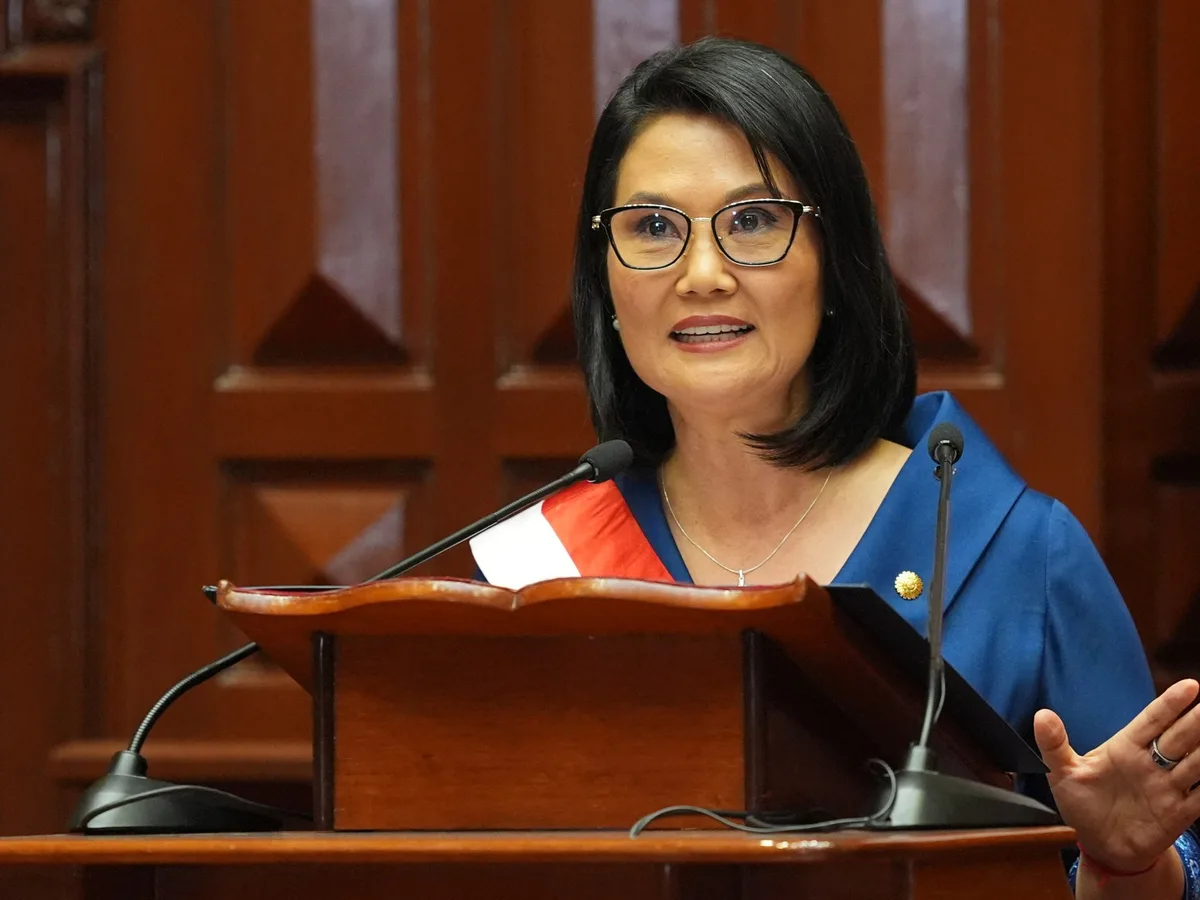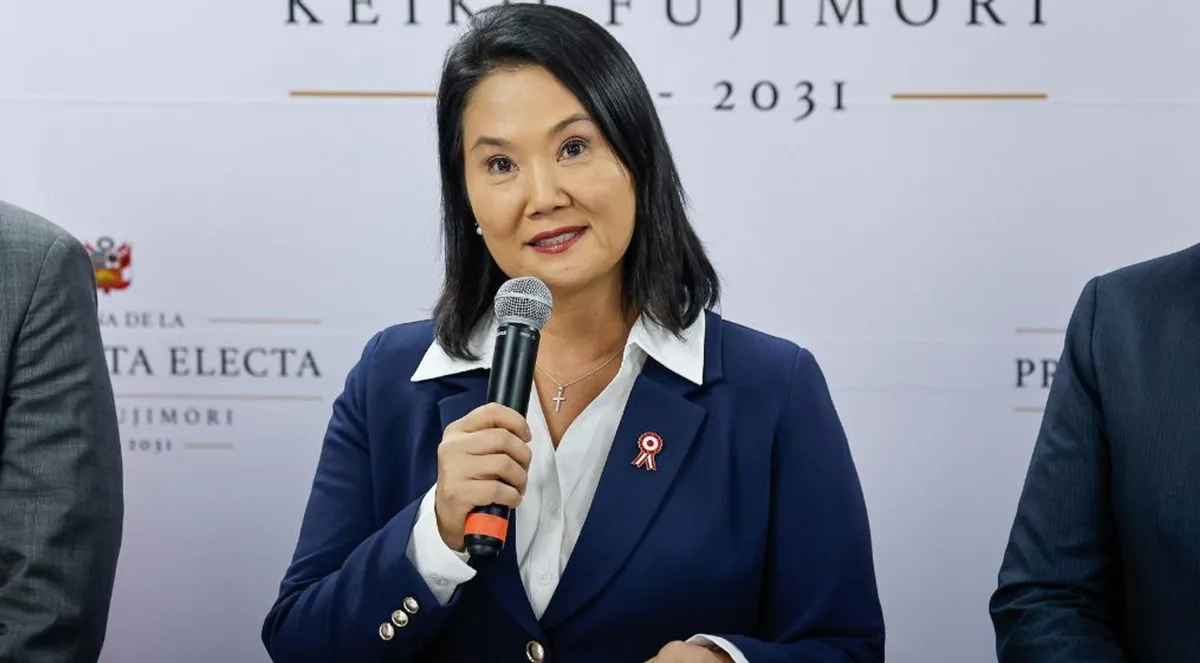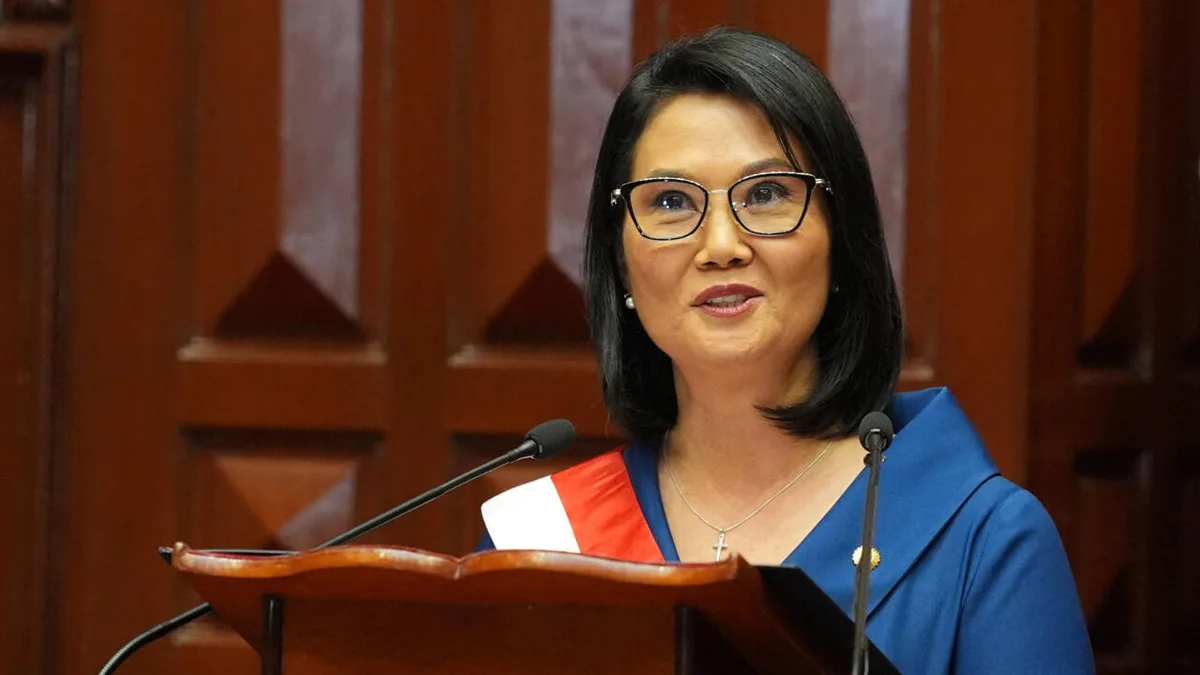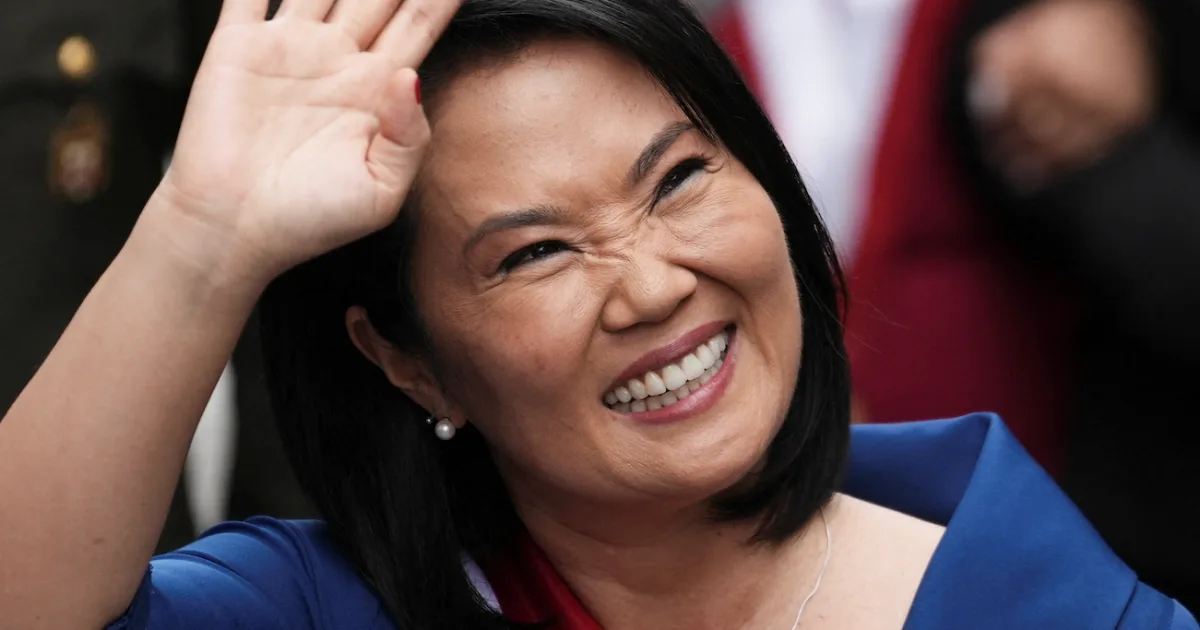
Keiko Fujimori was sworn in as president of Peru on July 29, 2026, becoming the country’s first democratically elected female president and the ninth president in a decade [1, 2, 3, 4, 5, 6]. She won a narrow June runoff election by fewer than 50,000 votes against her left-wing rival Roberto Sanchez [1, 2, 3, 5].
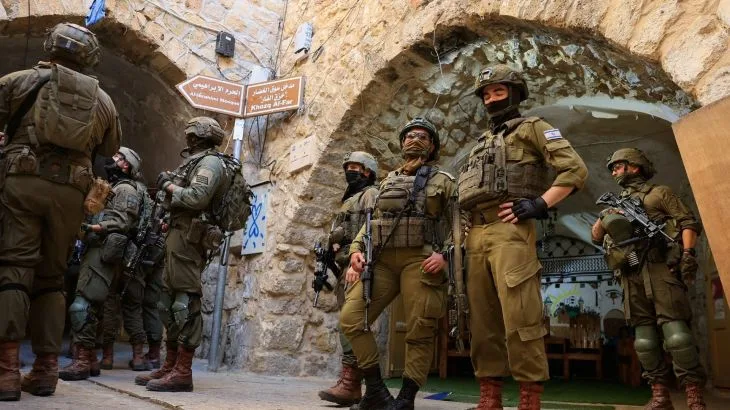
Fujimori’s platform emphasizes a hardline security approach. She vows to deploy the military to regions plagued by high crime, drug trafficking, and illegal mining. During states of emergency, "the Armed Forces will temporarily take the lead in security operations and maintaining public order, in close coordination with the National Police," she said [7, 1, 2, 3, 5, 6].
She also plans to build mega-prisons modeled after El Salvador’s Cecot facility and authorizes courts with anonymous judges to protect judicial safety [7, 1, 2, 3, 5]. Her Popular Force party and allied right-wing groups control half the Senate seats, limiting opposition moves to remove her but lacking a full majority to push all legislation [1, 2, 5].
Her agenda includes addressing the expected severe El Niño climate phenomenon, economic recovery, and infrastructure improvements [7, 3, 5]. Fujimori pledged to raise the national minimum wage 15%, from 1,130 soles to 1,300 soles monthly [6].
The inauguration sparked protests in Lima, with opposition lawmakers walking out citing the legacy of her father, former President Alberto Fujimori, whose 1990s rule was marked by both defeating the Shining Path insurgency and allegations of human rights abuses [8, 6]. Public opinion remains divided. Cesar Fuentes, a retiree, said, "She is going to be a replica of her father," while Nelly Vega, a housewife, said, "Fujimori is going to lead us to something better. We're in a country with a lot of terror." [3]
Keiko Fujimori’s term is set to run through 2031, shaping Peru’s political landscape as she pursues her promised security crackdowns and social reforms [1, 6].