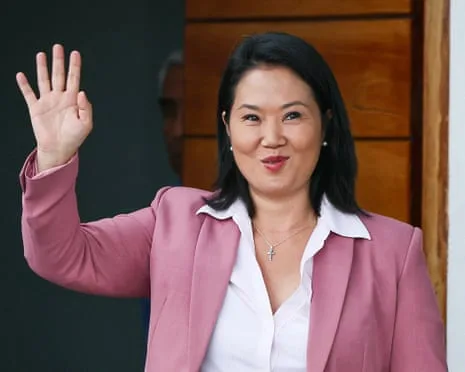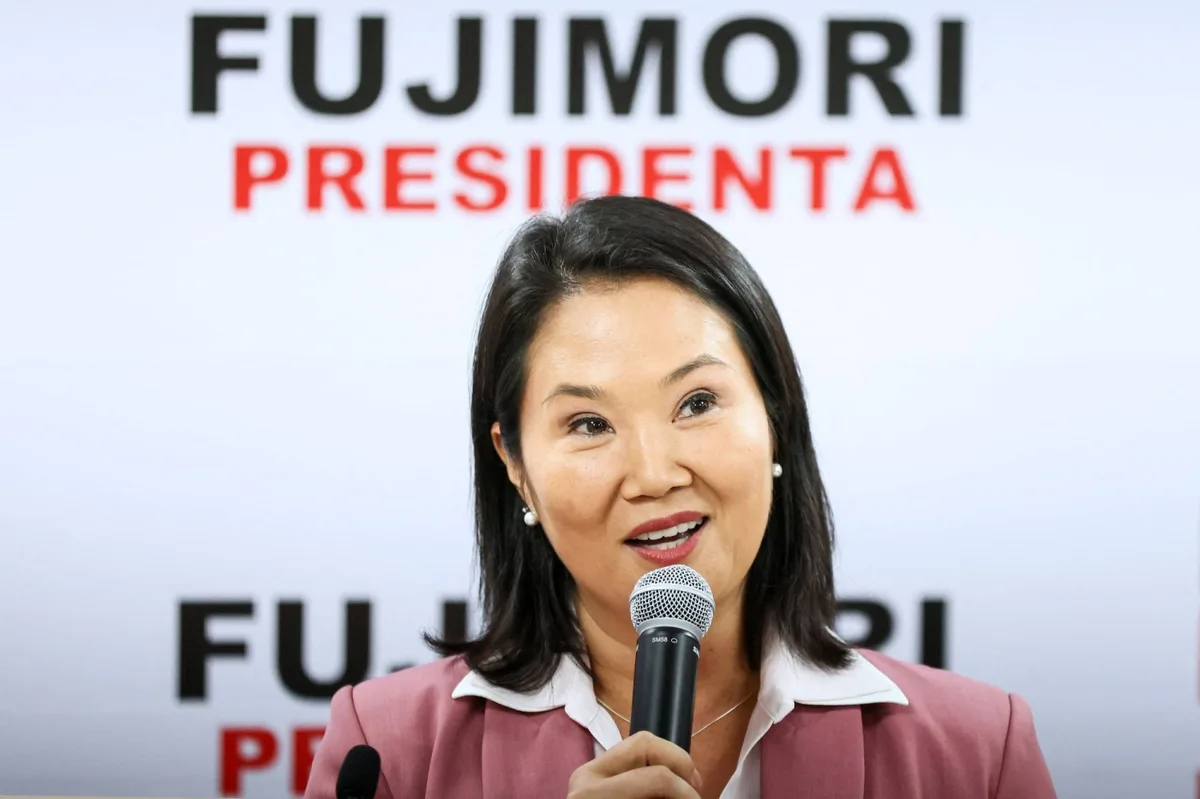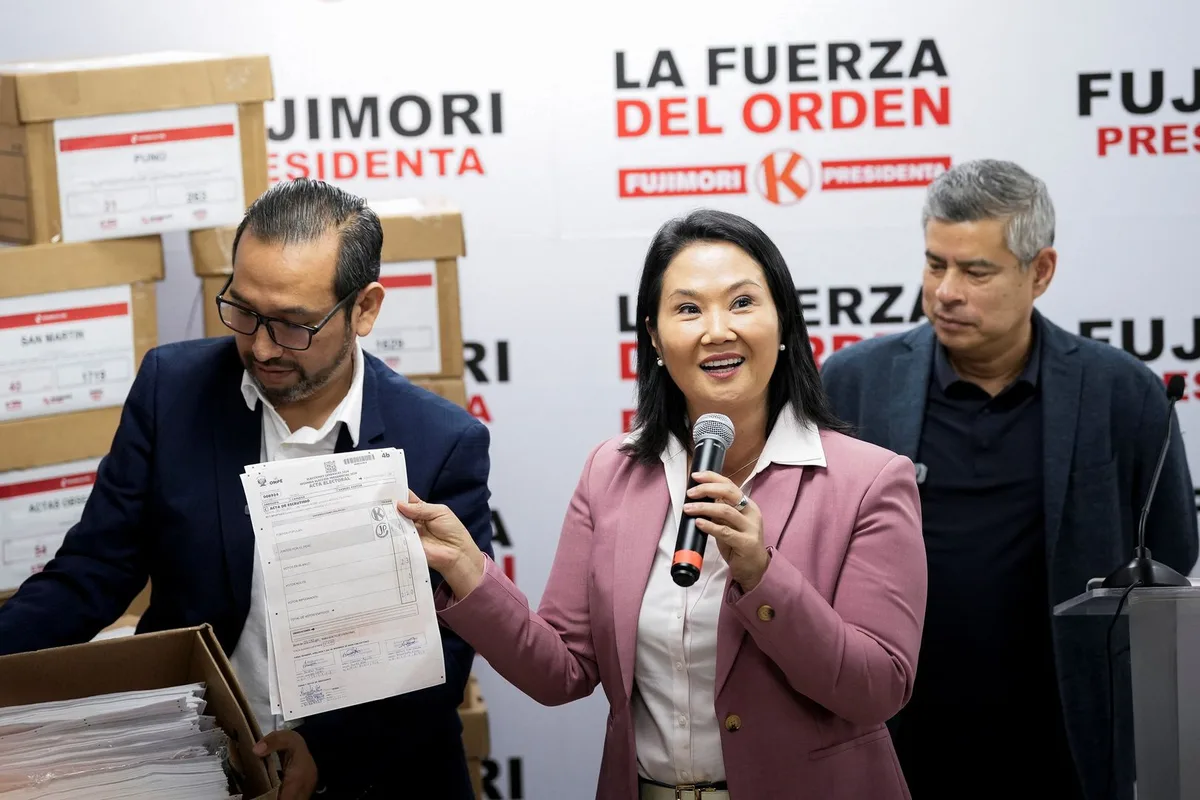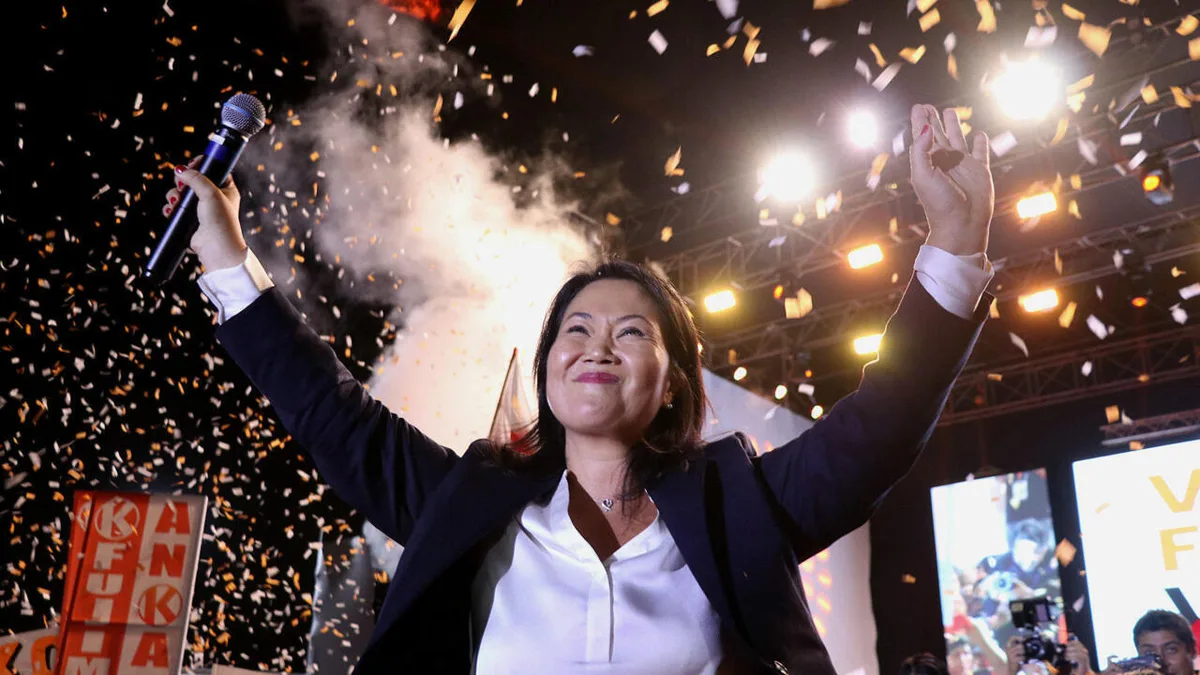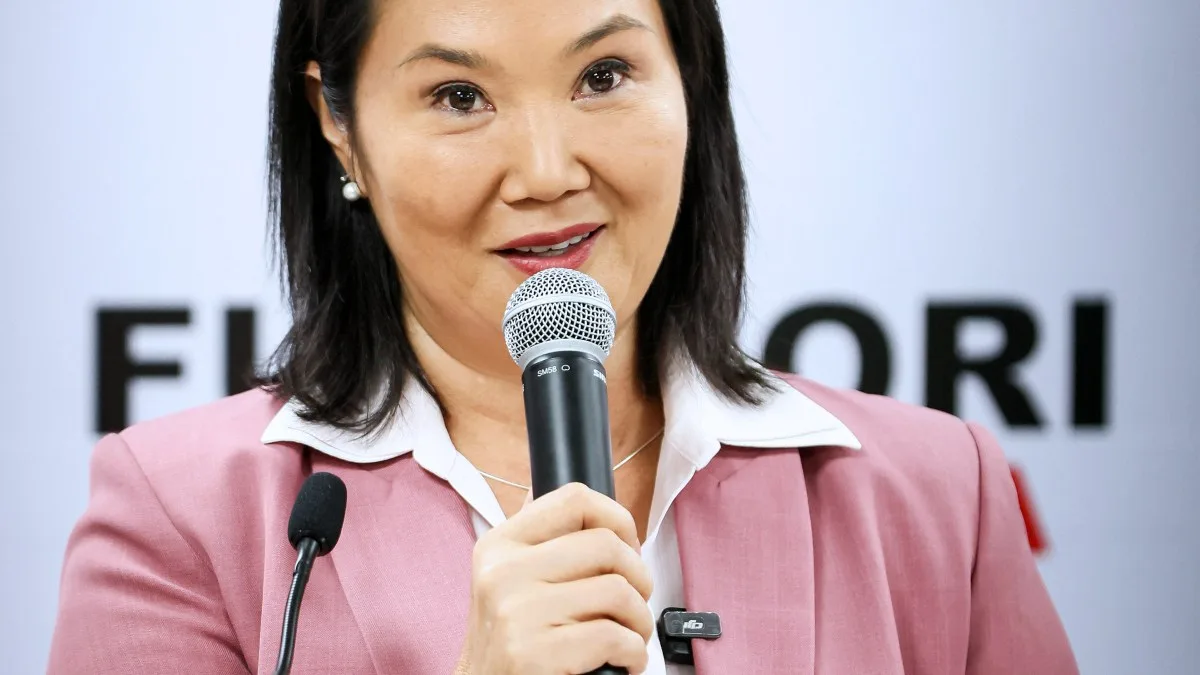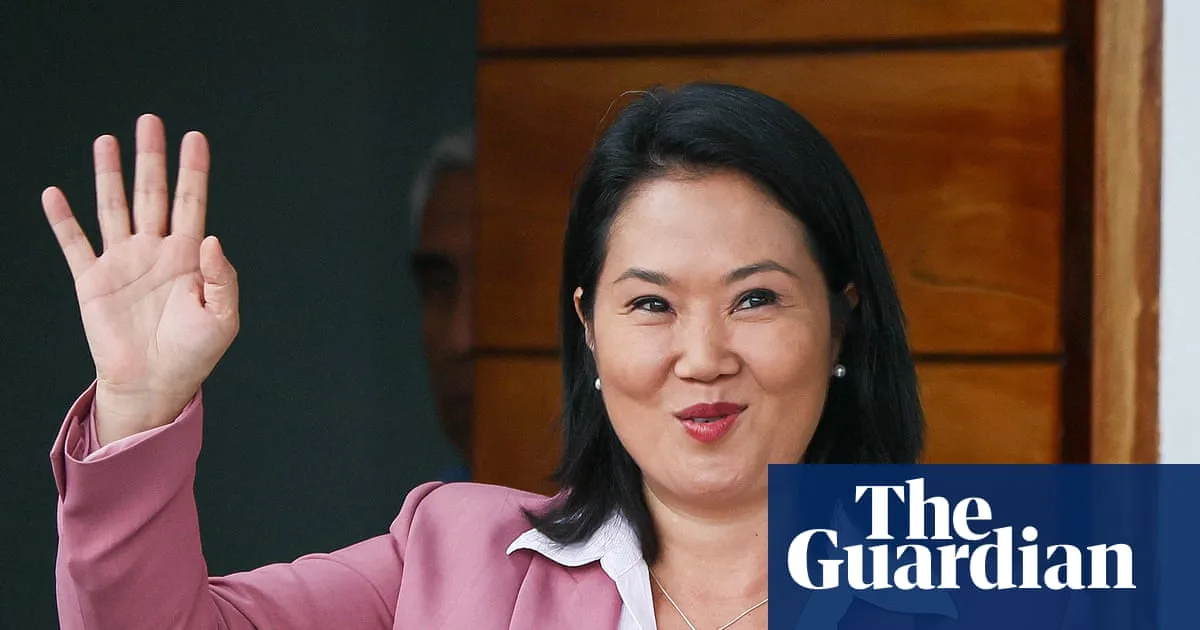
Keiko Fujimori won Peru’s presidential runoff election on June 7, 2026, by a margin of fewer than 50,000 votes against left-wing candidate Roberto Sanchez, according to official results released after weeks of vote tallying and ballot reviews [1, 2]. Fujimori garnered approximately 50.13% of the vote—about 9.22 million ballots—while Sanchez received around 49.86%, roughly 9.17 million votes, in a contest with over 18 million votes cast nationwide [2, 3, 4].
Peru’s National Office of Electoral Processes (ONPE) completed the final vote count and the review of contested ballots between June 29 and 30, clearing the way for the National Jury of Elections (JNE) to announce the official winner on July 3 [1, 2, 3]. The tight margin, estimated at about 49,641 to 50,000 votes, has fueled tensions between the candidates [1, 2].
Fujimori, 51, is the daughter of former president Alberto Fujimori, whose authoritarian tenure ended amid corruption and human rights abuse convictions [1, 5]. She previously lost three presidential runoff elections in earlier campaigns [1, 6]. Throughout the campaign, she pledged to restore "order and hope" and apply a tough approach to rising crime, echoing her father's legacy [1, 7, 5]. "We are getting closer and closer to embarking on a path of order and hope for all Peruvians," Fujimori said after the results were announced [1, 3].
Roberto Sanchez rejected the results, alleging administrative irregularities in the overseas vote count without presenting evidence and refusing to recognize Fujimori's win [1, 5, 2]. He has called for protests and plans to file legal appeals to block her official proclamation [2, 3]. "I will not recognise a government headed by Keiko Fujimori," Sanchez declared [1].
The U.S. State Department congratulated Fujimori on her victory and expressed willingness to work closely with her administration on security, trade, and investment matters [8].
Keiko Fujimori is scheduled to assume the presidency on July 28, 2026, beginning a five-year term at the helm of a country facing significant political instability, having seen eight to nine presidents in the last decade [1, 5, 2].