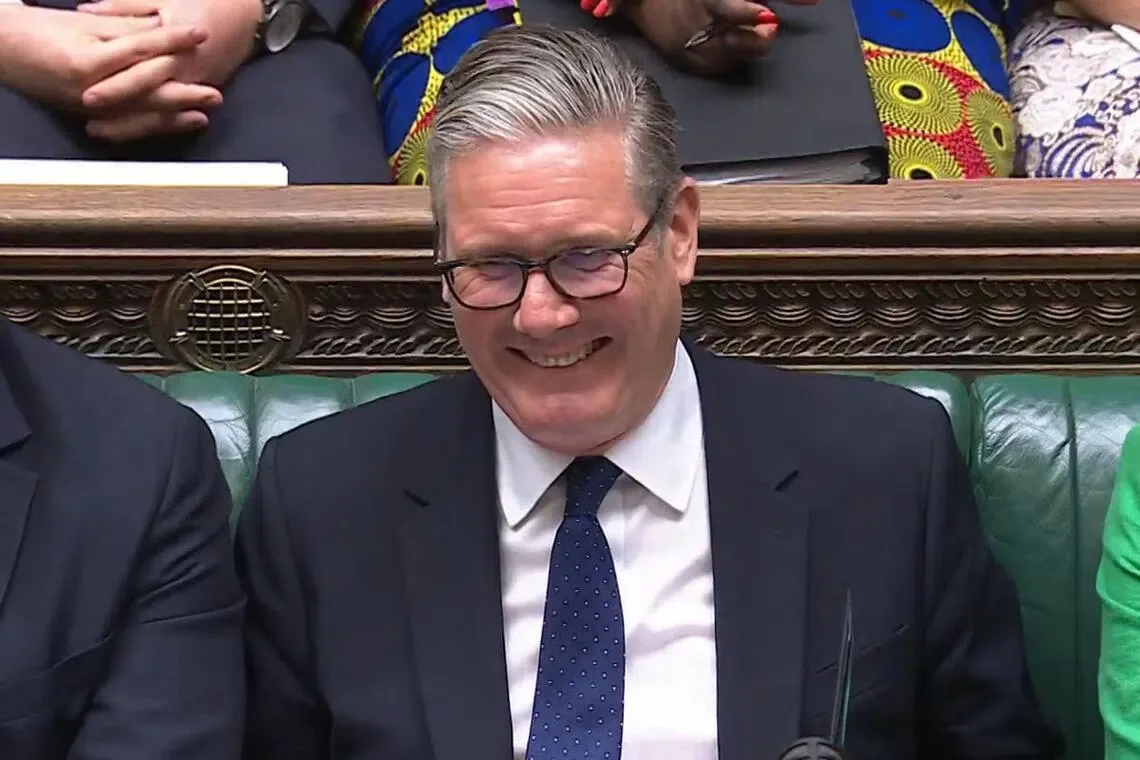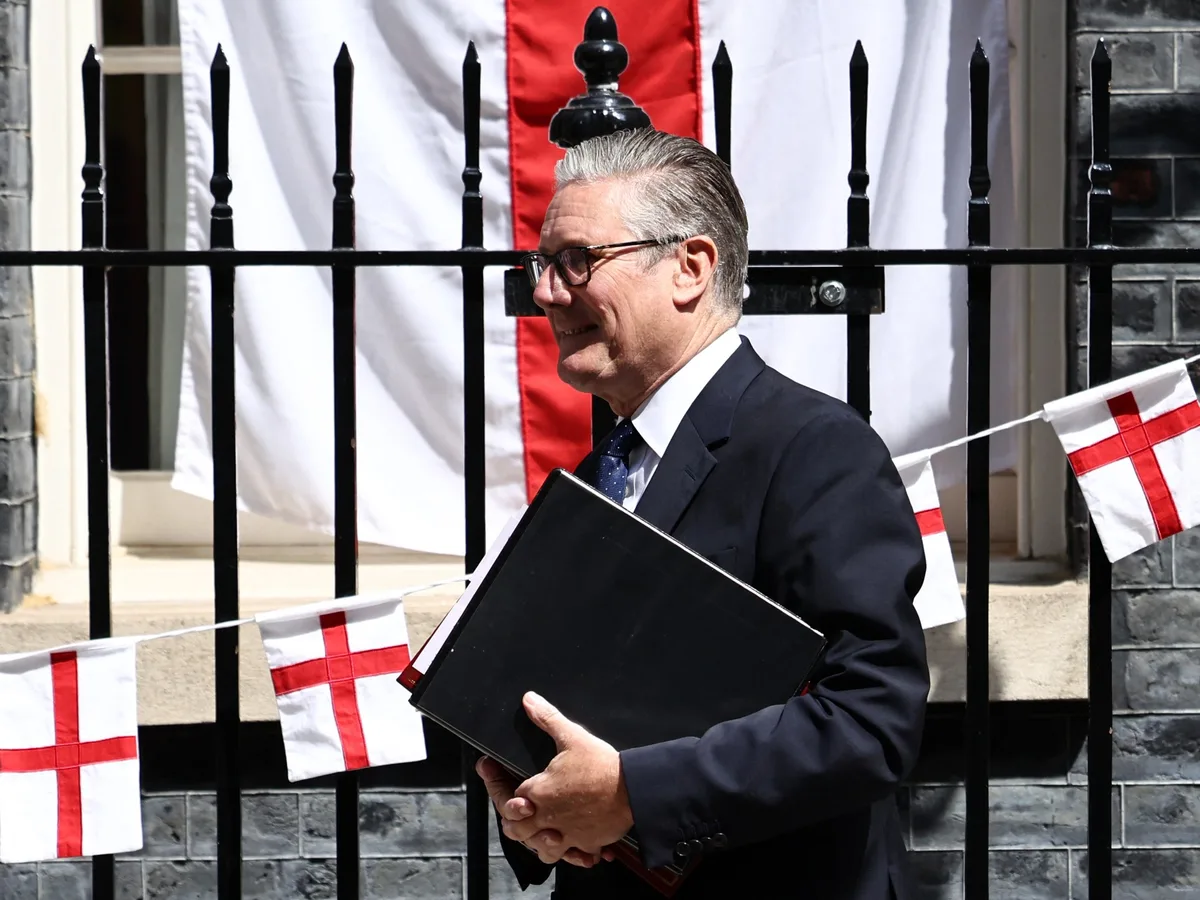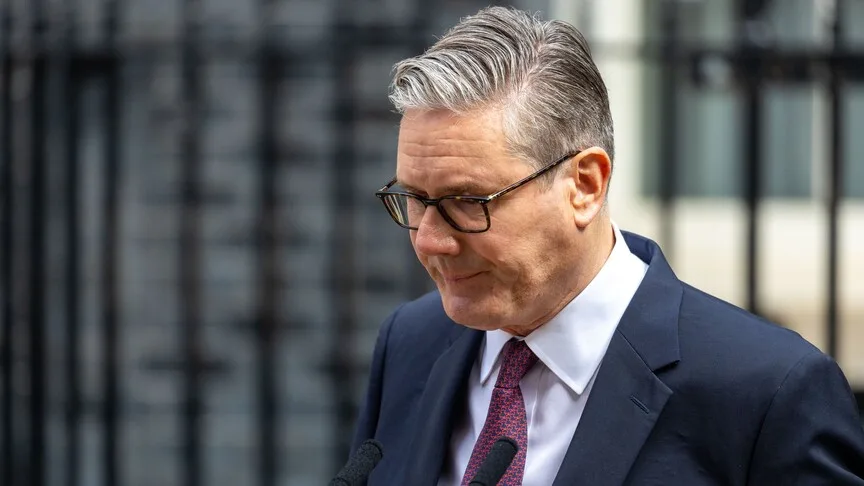
Keir Starmer announced his resignation as UK Prime Minister in June 2026, ending his two-year tenure amid scandals and mounting pressure to step down [1, 2, 3]. On July 15, Starmer made his final appearance at Prime Minister's Questions in the House of Commons, receiving thanks from MPs across party lines. He pledged his "wholehearted support" for successor Andy Burnham, saying, "I want this Labour government to be a success. I want our country to be a success" [1]. Starmer also said, "Every prime minister knows when they take up the torch, that the day will come when they have to pass it on. That day has come for me. This is the end of my political journey" [3].
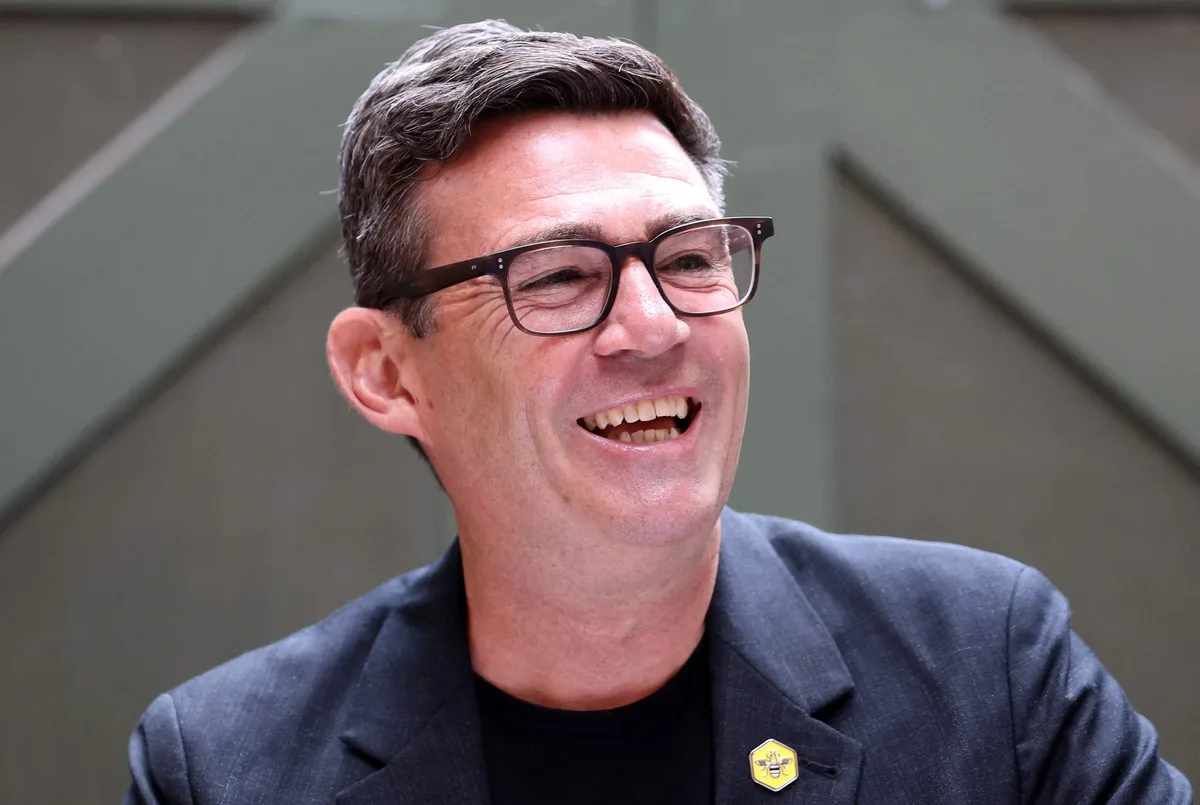
Andy Burnham, backed by a majority of Labour MPs and major trade unions, is set to become Labour leader on July 17 and UK Prime Minister on July 20, 2026 [1, 2]. Labour controls 403 of the 650 seats in the House of Commons, ensuring Burnham’s smooth succession [1, 2]. Opposition Conservative leader Kemi Badenoch cautioned that a leadership change is not a "silver bullet" for the country’s challenges, warning that "solving the fundamental problems in this country will require difficult decisions" [1, 2, 3].
In the final days of his premiership, Starmer finalized several political actions, including the nationalization of British Steel after the passage of the steel industry nationalization bill. The company was previously owned by the Chinese firm Jingye. Starmer called British Steel "part of the fabric of our nation and a cornerstone of Britain’s industrial strength," adding that the decision "secures the future of steelmaking in the UK, protects skilled jobs and safeguards a vital national capability" [4].
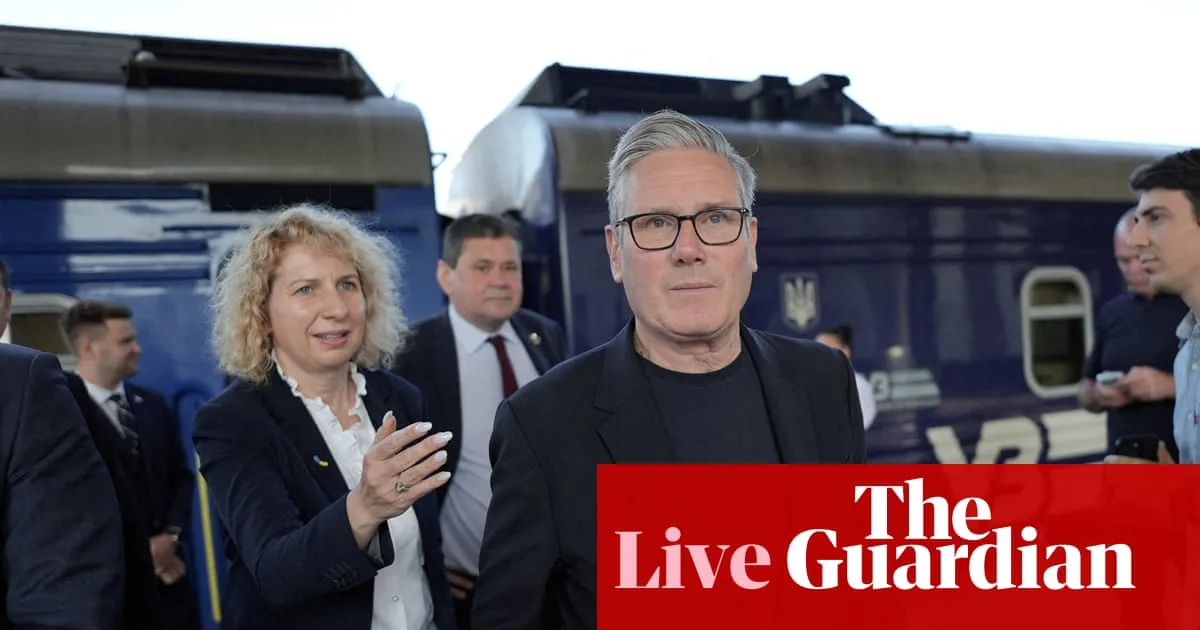
On July 16, 2026, the day after his last Commons appearance, Starmer visited Kyiv, Ukraine, to meet President Volodymyr Zelenskyy [4]. Political speculation suggests Burnham plans to appoint Shabana Mahmood as Chancellor, replacing Ed Miliband [4].
Andy Burnham is expected to be sworn in as UK Prime Minister on July 20, 2026, marking the official transition of power following Starmer’s departure [1, 4, 2].