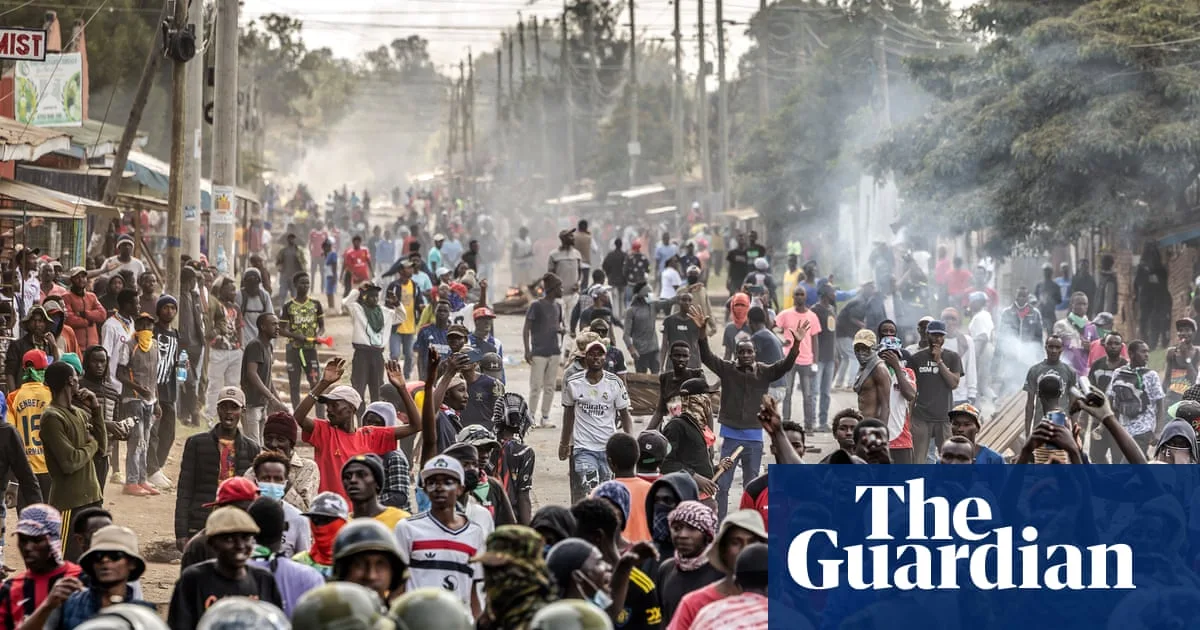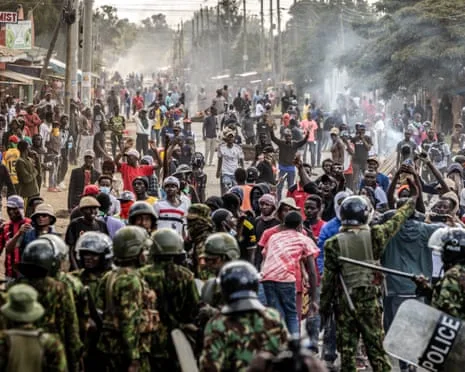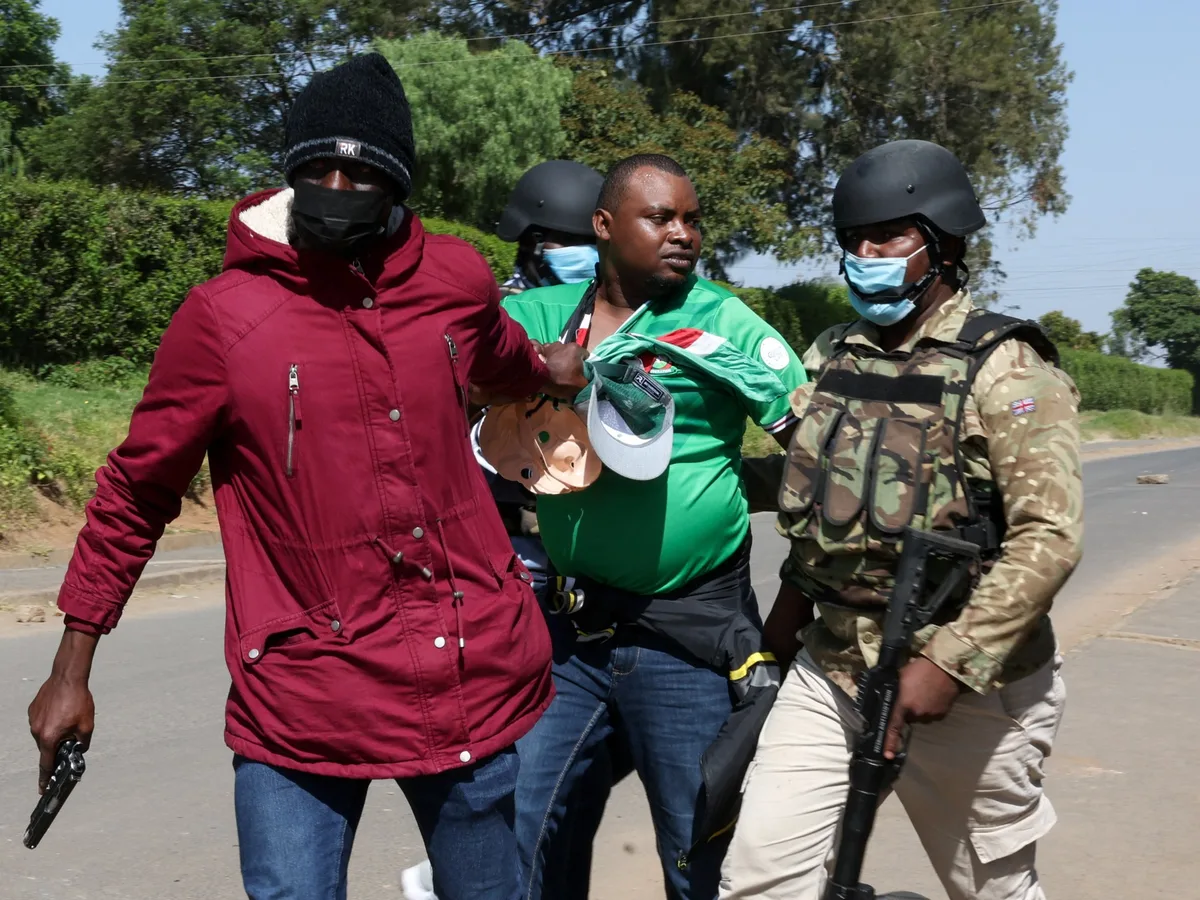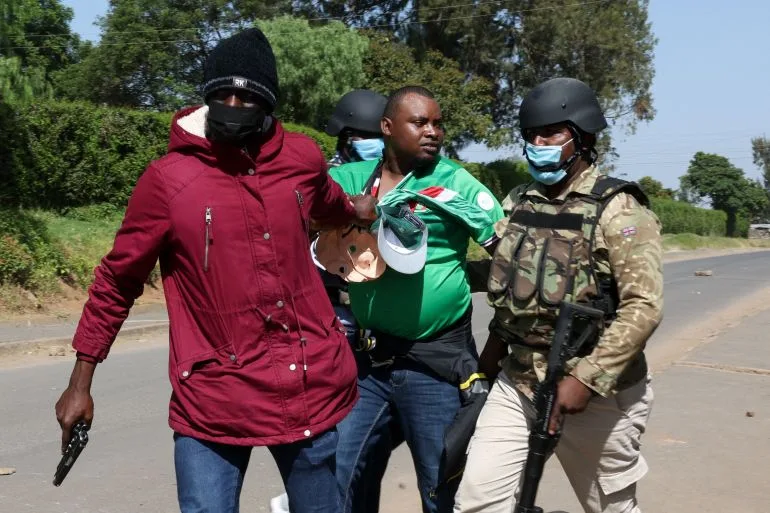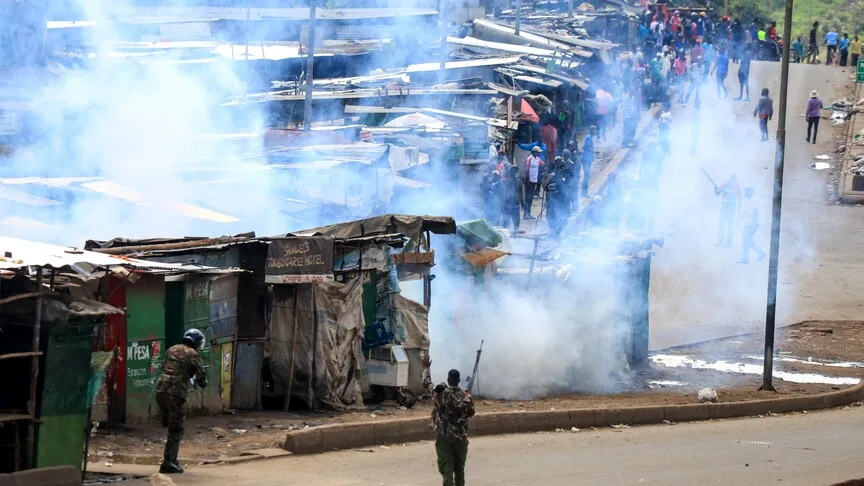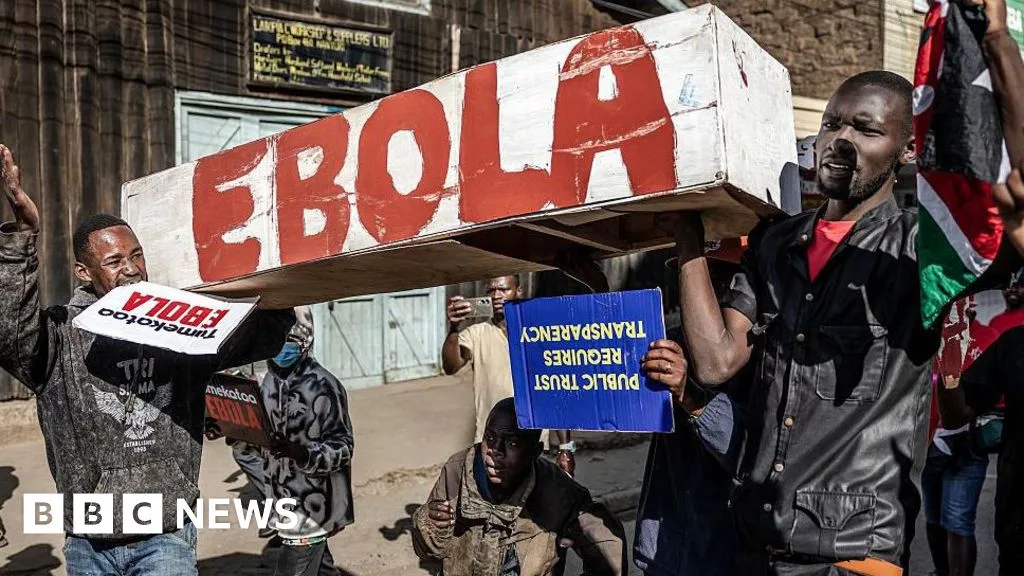
Kenyan police used tear gas and made arrests on June 9 to break up protests against a planned US Ebola quarantine centre near Laikipia Air Base in Nanyuki, about 200 km north of Nairobi [1, 2, 3, 4]. Protesters carried coffins marked "Ebola," waved Kenyan flags, and demanded the plan be stopped amid fears of cross-border infection and local safety risks [1, 2, 3]. One man was shot in the head and injured during the clashes [2, 3]. Two people died in earlier demonstrations this month [2, 3, 4].
The 50-bed facility is intended for US citizens exposed to the Ebola outbreak in the eastern Democratic Republic of the Congo (DRC) and is planned to be staffed by about 30 US medical personnel [1, 2]. The outbreak, caused by the rare Bundibugyo Ebola strain, has led to more than 500 confirmed cases and around 90 deaths in the DRC, with additional cases and deaths reported in Uganda [1, 2, 3]. Kenya has no known Ebola cases [1, 2, 3]. The World Health Organization declared the outbreak a public health emergency of international concern [2, 3].
President William Ruto defended the US plan, saying he received a request from Washington to establish the centre and calling refusal "inhuman." He acknowledged Kenya’s long-standing ties and aid support from the US [1, 2]. However, local leaders such as Laikipia Senator John Kinyua expressed frustration that they were not consulted before construction began, citing transparency concerns [4]. Protester Priscilla Imani said, "My message is this, Laikipia is not a dumping site and our voices must be heard" [1].
A Nairobi court temporarily blocked construction and government approval of the quarantine centre in late May, but work has continued despite the order [2, 4]. The US government remains optimistic that objections can be resolved [1, 3, 4].
The next court hearing on the facility is scheduled for June 23 [2].