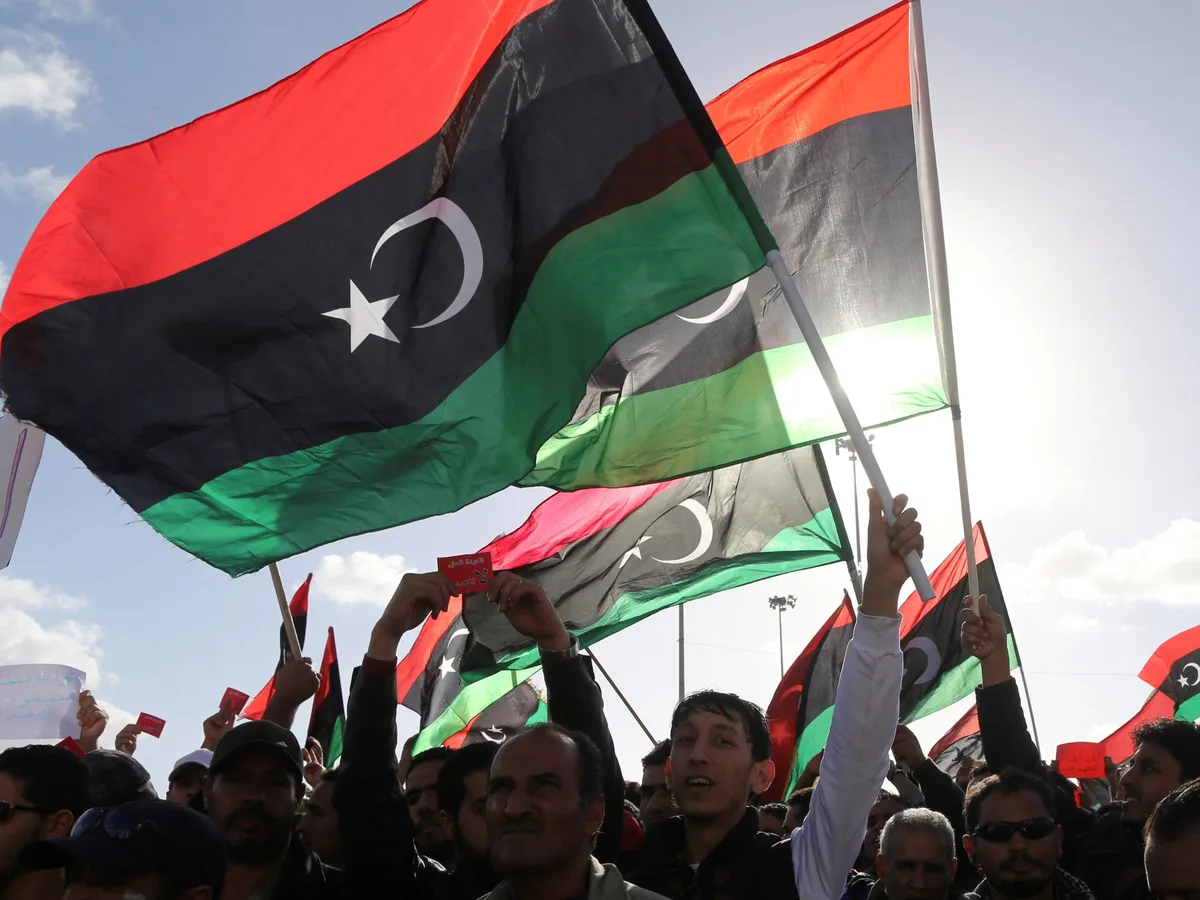
Representatives of Libya's main rival political parties signed an agreement on August 30, 2026, to hold legislative and presidential elections within 24 months under a single executive authority and unified national institutions. The deal was signed at the United Nations Support Mission in Libya (UNSMIL) headquarters in Tripoli after months of talks in Rome, Tunis, and other meetings [1, 2, 3, 4, 5, 6].
The agreement follows initial discussions by a "4+4 committee," which consists of four representatives each from the House of Representatives and the High Council of State, along with input from the Government of National Unity and the Libyan National Army. This committee signed an initial draft agreement on August 20 in Tunis, paving the way for the final accord in Tripoli ten days later [1, 2, 5].
Key provisions include restructuring the High National Elections Commission and reviewing election laws as crucial steps to ensure credible elections. If the House of Representatives and High Council of State fail to ratify the agreement within one month, it will automatically be adopted nationally with backing from the UN Security Council [1, 2, 7, 5]. Walid Ellafi of the 4+4 committee emphasized that "legislative and presidential elections should be held within a period not exceeding 24 months under a single executive authority and unified national institutions" [1].
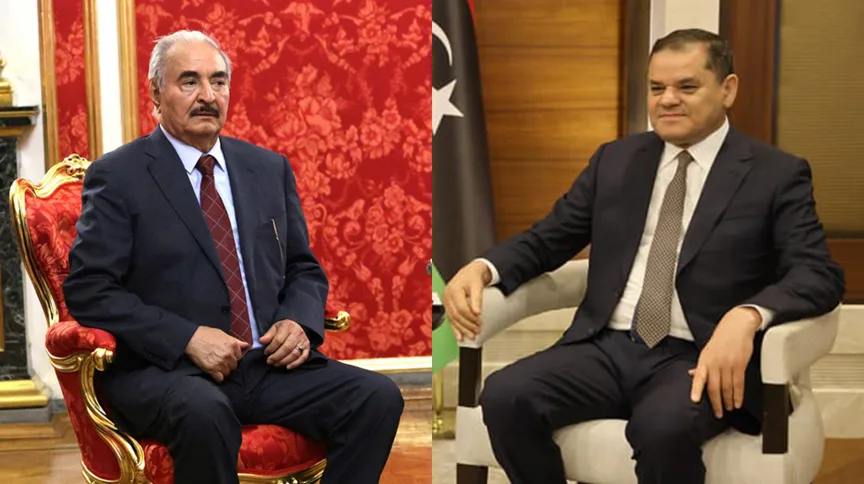
Libya has been divided since 2014 into eastern and western factions. The Government of National Unity, based in Tripoli in the west, opposes the eastern Libyan National Army led by Khalifa Haftar, which supports a separate administration. Earlier attempts at holding elections have stalled, including a planned presidential vote in December 2021 postponed repeatedly due to disputes over candidate eligibility [1, 2, 3, 4, 6].
Prime Minister Abdul Hamid Dbeibeh welcomed the agreement calling it "an important step that reinforces the path... based on ending transitional phases and moving toward elections." He added, "Our vision is clear: the decision should rest with the Libyan people through elections that end the state of division and give all institutions their true legitimacy" [5]. Haftar described the signing as "progress in addressing issues that remained unresolved for years and hindered the Libyan people’s determination to move toward holding presidential and parliamentary elections" [5].
The 4+4 committee plans to work with UNSMIL to develop a framework within one month for implementing the agreement, including oversight and follow-up on all related matters [1]. If ratification stalls, the constitutional framework will proceed with UN Security Council support.
The Libyan factions must now move forward with ratifying and implementing the agreement to hold the elections within two years, aiming to end more than a decade of division.