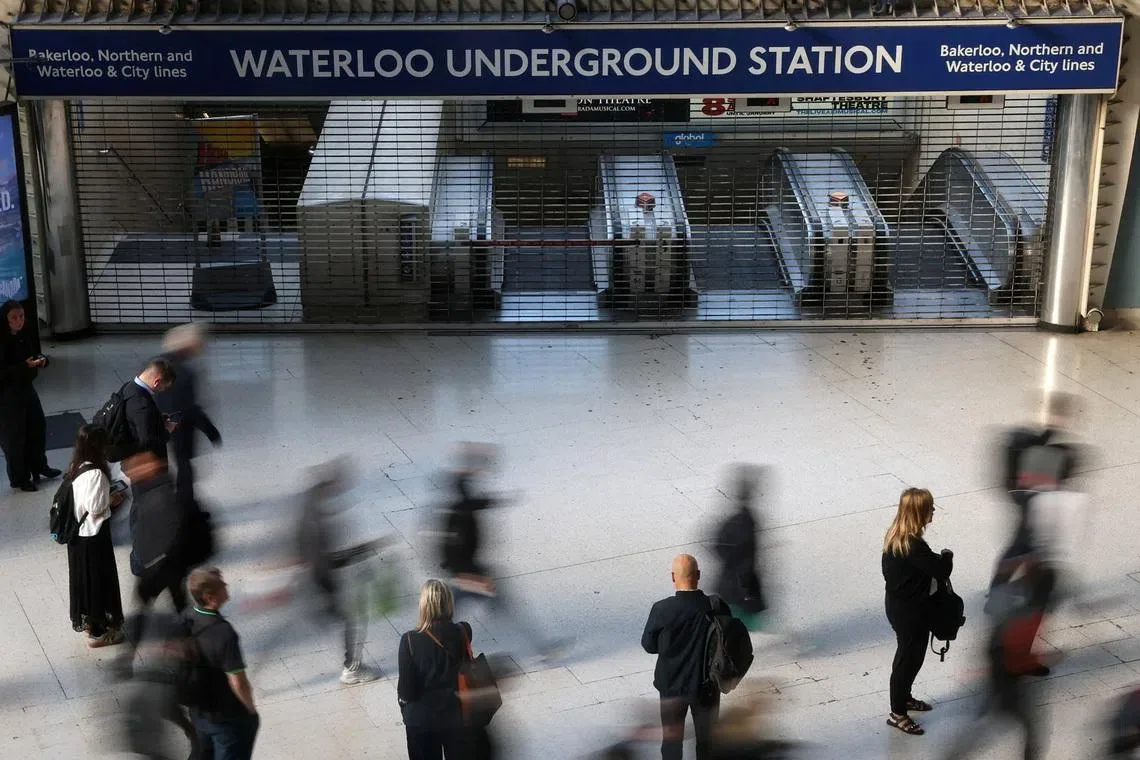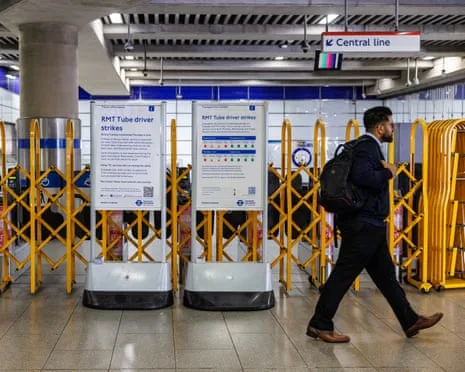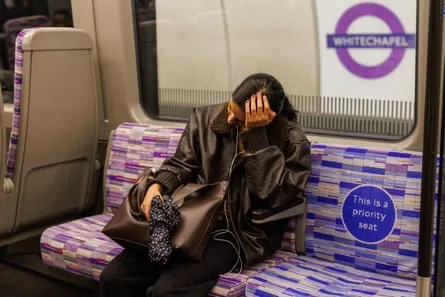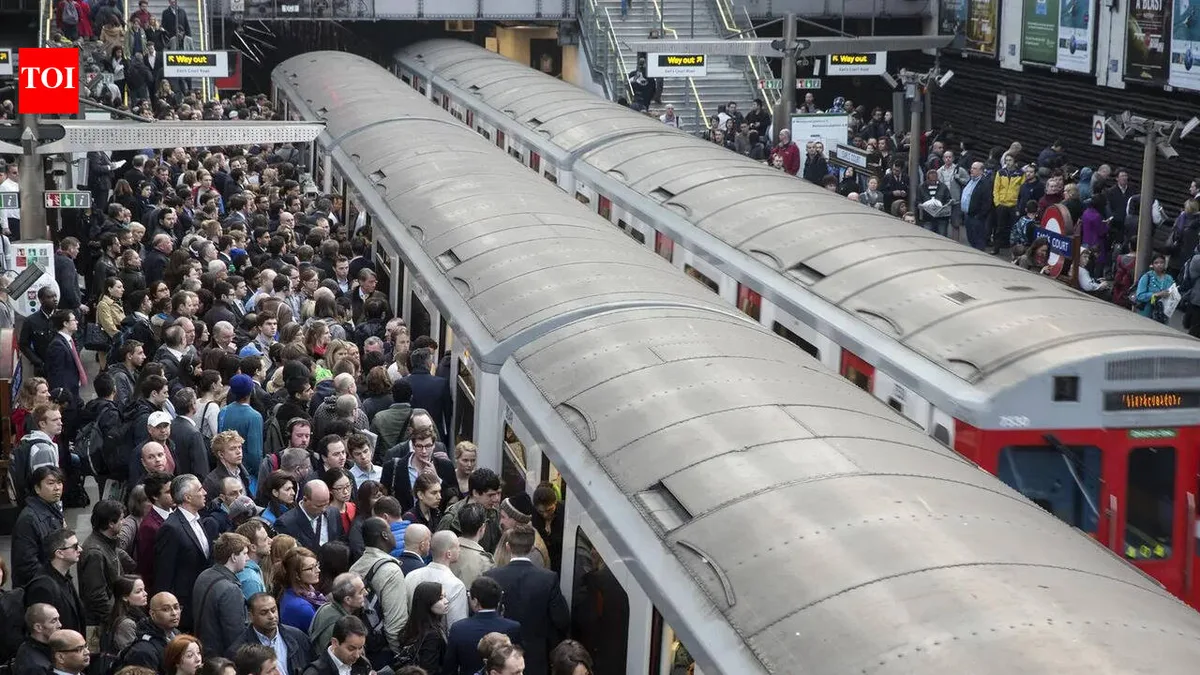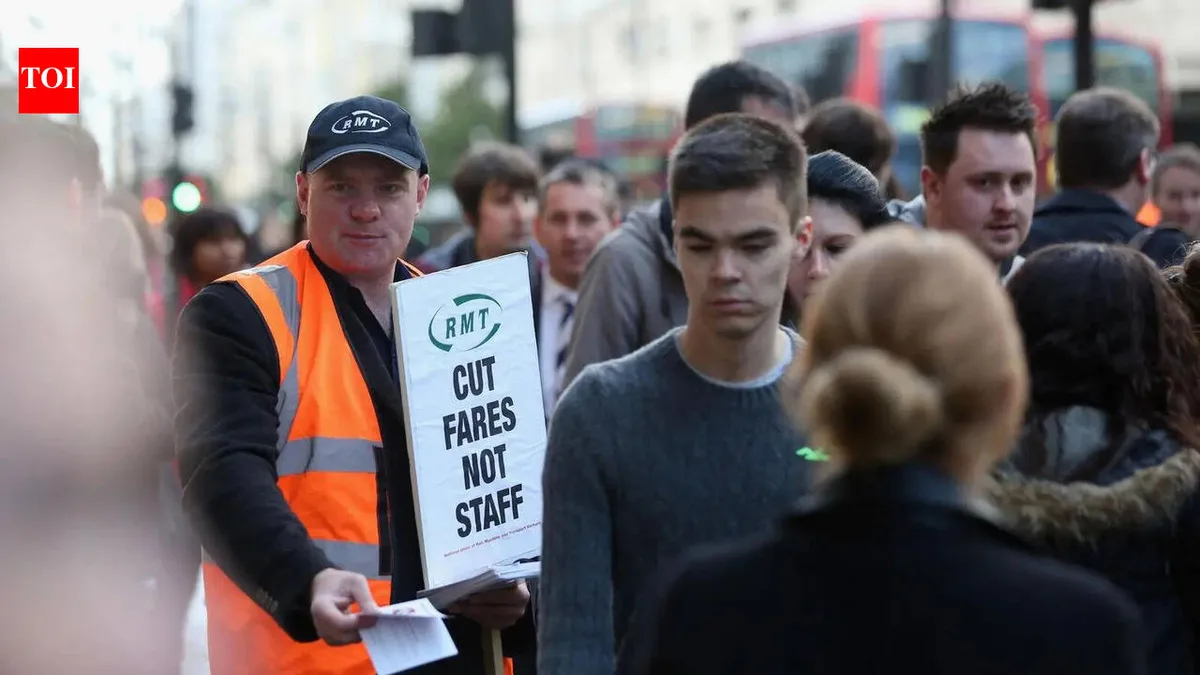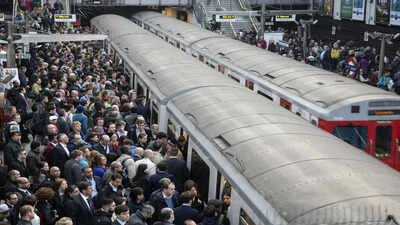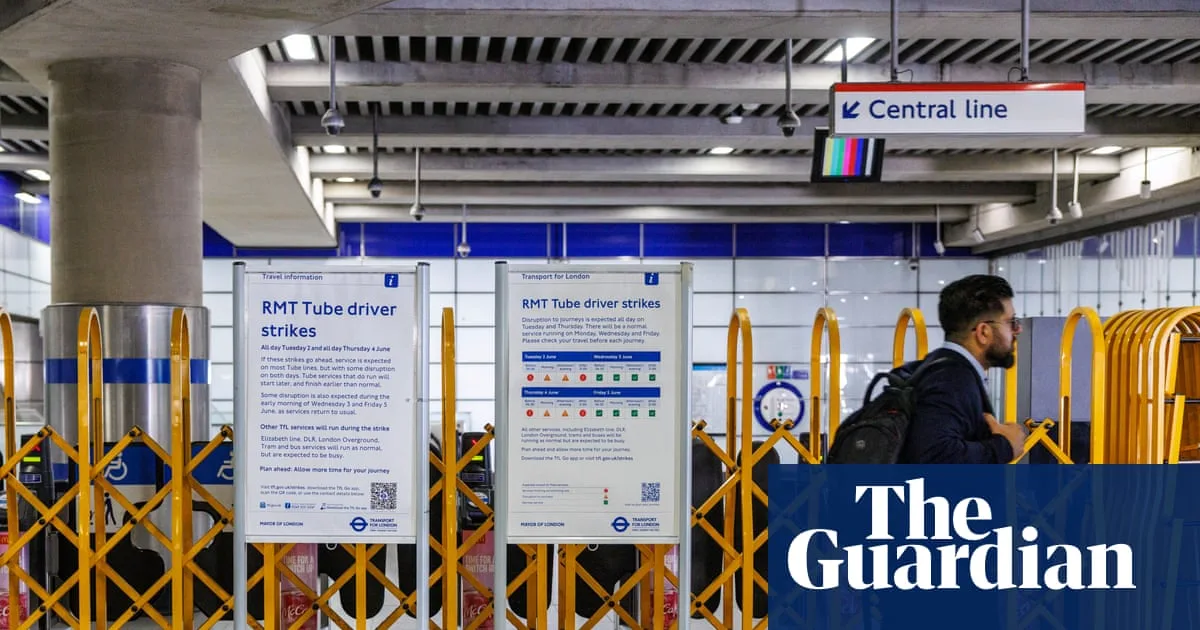
London Underground drivers represented by the RMT union launched a 24-hour strike on June 2, 2026, severely disrupting Tube services across several lines in London [1, 2, 3]. The Circle and Piccadilly lines had no service, with parts of the Metropolitan and Central lines also closed or running minimal trains amid the industrial action [1, 3]. Despite the walkout, about 60% of Tube drivers reported for work, allowing partial service on many routes, including the Jubilee line which operated 90% of its scheduled kilometers [2]. Tube journeys fell by an estimated 41% during the strike day [2]. Disrupted service caused longer queues and travel frustration during the morning rush hour [1, 3].
The strike targets proposed changes by Transport for London (TfL) to allow drivers the option to work a compressed four-day week with longer shifts [1, 2, 4, 3]. The RMT union opposes the plan, citing concerns that longer shifts will increase fatigue and pose safety risks. An RMT spokesperson said, "RMT remains available for meaningful talks, but London Underground cannot push ahead with changes to drivers’ working conditions while refusing to properly address legitimate safety and workplace concerns" [1]. TfL maintains the changes would be voluntary and help improve reliability. A TfL spokesperson said, "We continue to urge the RMT to work with us to resolve their questions on the proposed four-day week" and thanked customers for their patience during the disruptions [2].
The Aslef union, which represents over half of London Underground drivers, accepted TfL's proposals and did not join the strike [1, 2]. Other parts of London's transit network, including the Elizabeth line, London Overground, Docklands Light Railway, National Rail, and buses, continued operating but experienced heavier passenger loads due to the Tube disruption [1, 2, 3].
Negotiations between RMT and TfL at the advisory body Acas ended without agreement on June 1, with no further talks planned [2, 4]. The strike follows earlier walkouts in April and September 2025. Planned strikes for May and mid-June 2026 were canceled after negotiations [1]. A second 24-hour strike is scheduled for June 4 unless a last-minute settlement is reached [1, 2, 3].
Financial sector workers in the City of London may reduce commuting on strike days, affecting hospitality businesses dependent on weekday visitors [1]. The situation remains dynamic as union and TfL officials prepare for further talks before the next scheduled strike on June 4.