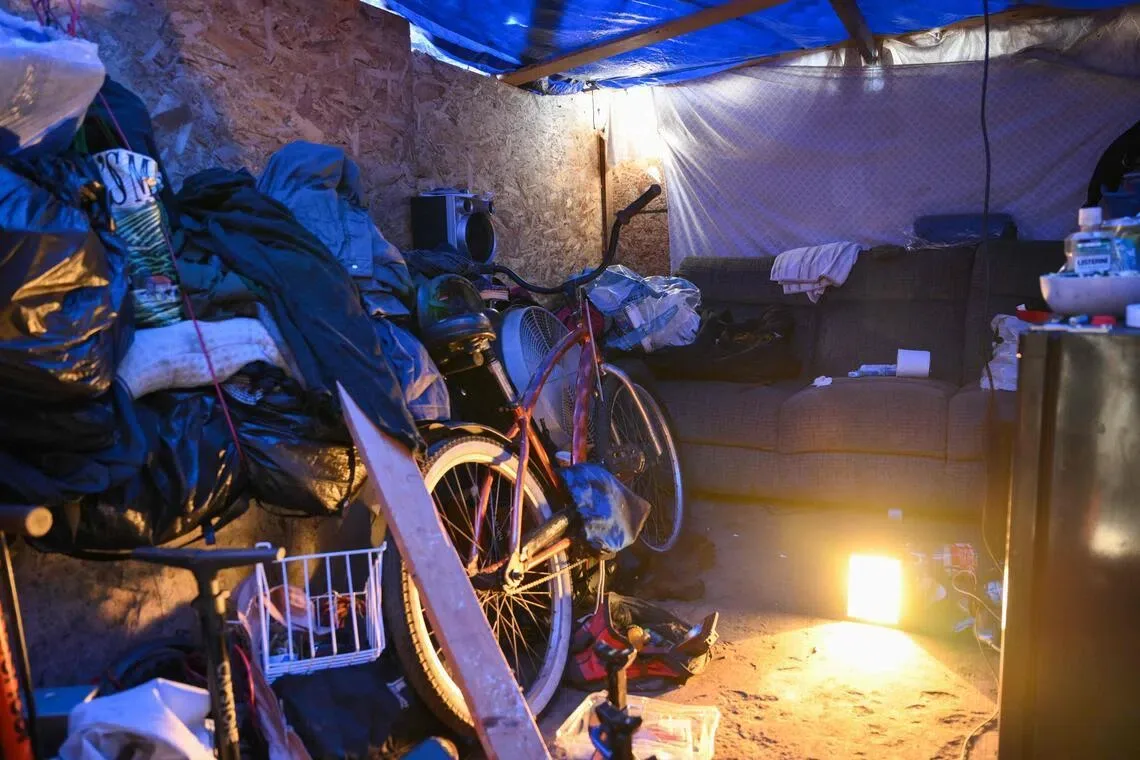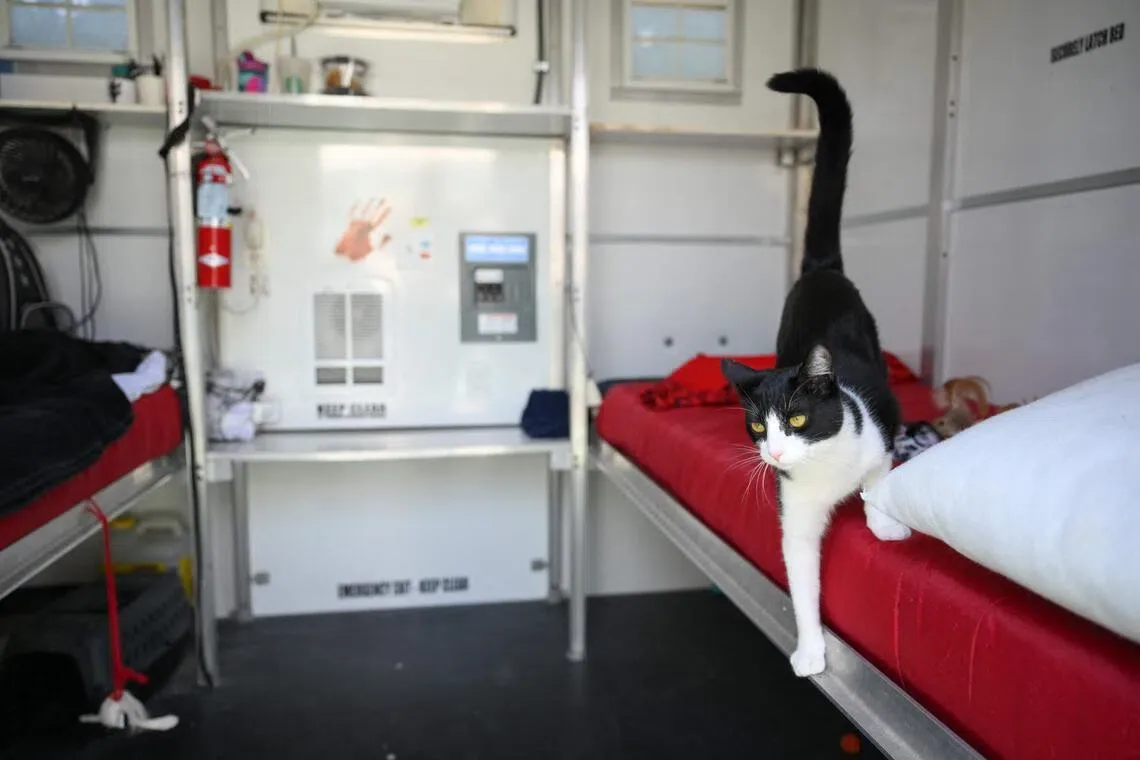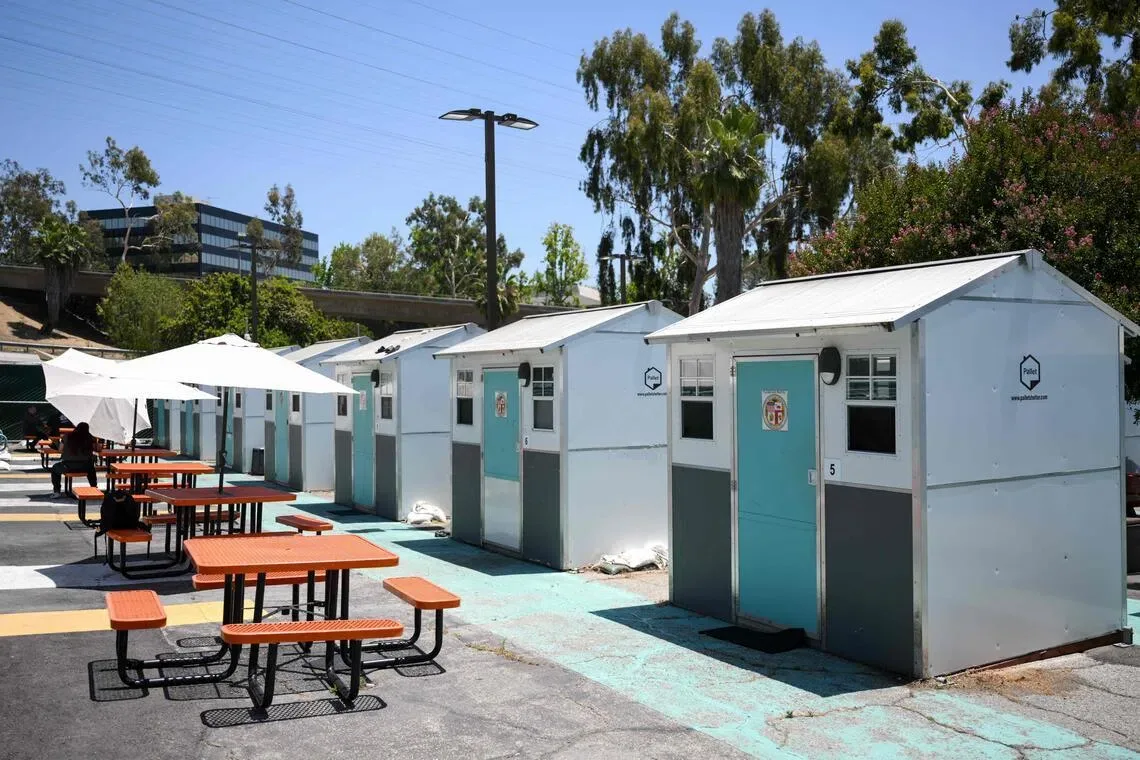
Michael Gilpin, a formerly homeless man, has lived in a 6 square meter (65 square feet) prefabricated tiny home in Los Angeles for several months as part of the city's efforts to reduce homelessness ahead of the 2026 World Cup [1, 2, 3]. Gilpin said, "It’s better than the streets, hands down. I don’t have to deal with cockroaches" [1].
Los Angeles County has an official homeless population of about 72,000 people, with roughly 47,000 sleeping on the street [1, 4, 3]. Despite spending hundreds of millions of dollars on programs including tiny homes and hotel beds, advocates warn there are not enough beds or shelters. Armando Covarrubias, a homelessness advocate, said, "Unfortunately, there’s not enough beds, not enough shelters" [1, 3]. Some parts of the city have 4 to 5 times more homeless people than available beds [1, 4, 3].
A 2025 census recorded a 17.5% drop in street homelessness over the previous two years, marking the most sustained decline since the city began counting 20 years ago [1, 3]. Democratic Mayor Karen Bass, who is midway through her three-year term, has made tackling homelessness a key priority [1, 3].
Visitors to Los Angeles often notice the sharp contrast between extreme wealth and visible homelessness, including extensive tent encampments and many people with untreated mental health issues [1, 3]. The city is under increased scrutiny as it prepares to host eight 2026 World Cup games starting later this year [1, 3]. The international spotlight will grow further ahead of the 2028 Olympics, which Los Angeles will also host [1, 3].