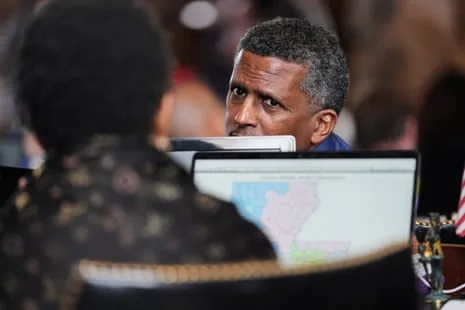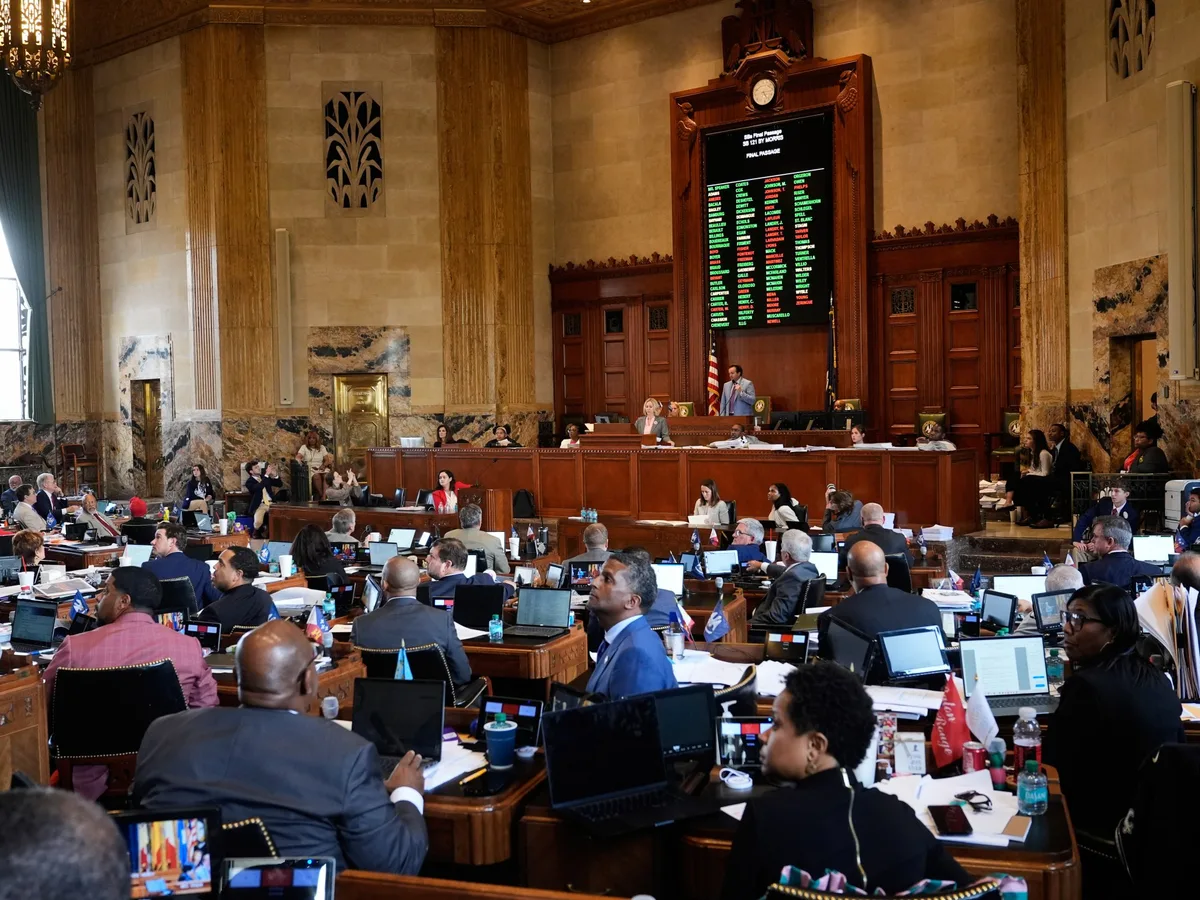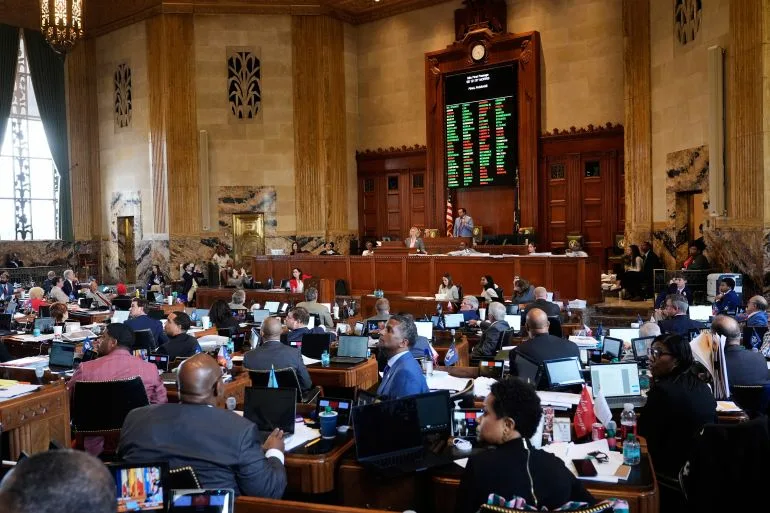
Louisiana Republicans approved a new congressional map on May 29, 2026, removing one of the state's majority-Black congressional districts and shifting political power in their favor [1, 2]. The eliminated district was represented by Black Democrat Cleo Fields [1, 2]. The new map is expected to increase Republican control to five of the state's six seats from the previous 4-2 Republican-Democrat split [1, 2]. The Louisiana state Senate passed the map in a 28-10 vote on May 29 [2].
Governor Jeff Landry, a Republican, is expected to sign the measure into law [1, 2]. This follows a late April 2026 U.S. Supreme Court ruling in Louisiana v. Callais that struck down the prior map for including two majority-Black districts, finding it to be an illegal racial gerrymander [1, 2]. The Supreme Court ruled 6-3 and weakened Section 2 of the Voting Rights Act by requiring plaintiffs to prove intentional discrimination in redistricting cases [1, 2].
In response to the ruling, Governor Landry declared a state of emergency in late April to cancel and reschedule the congressional primary elections [1]. Louisiana is one of several Southern Republican-led states aggressively redrawing maps after the ruling to add Republican-leaning districts [1, 2].
The new map has provoked controversy. The Louisiana chapter of the American Civil Liberties Union said the plan "does exactly what it was designed to do: consolidate white political power by cracking Black communities apart and drowning their votes in Republican-dominated districts" [1]. Democratic state Senator Royce Duplessis criticized the map, saying Louisiana is participating in a "vicious, vicious race to the bottom" with these redistricting efforts [2]. Democrats also oppose the map as a racial gerrymander to pack Black Democratic voters into fewer districts [2].
The next step awaits Governor Landry's expected signature to finalize the new congressional boundaries before upcoming elections [1, 2].