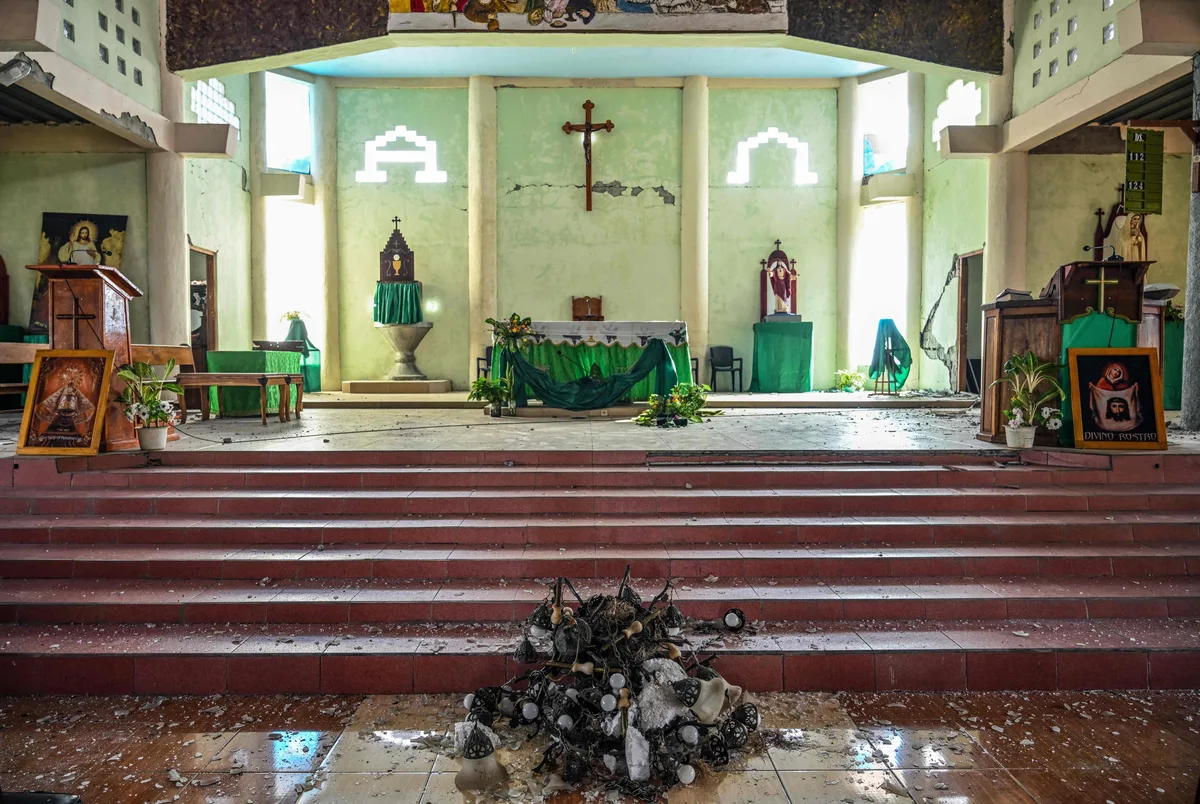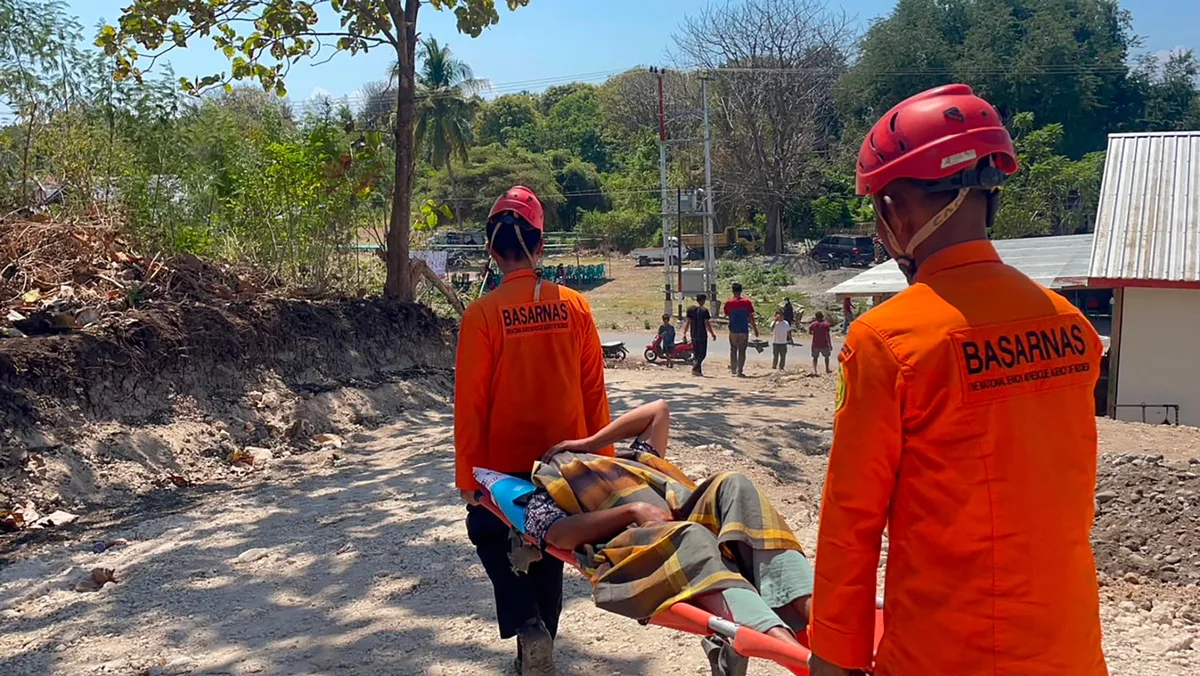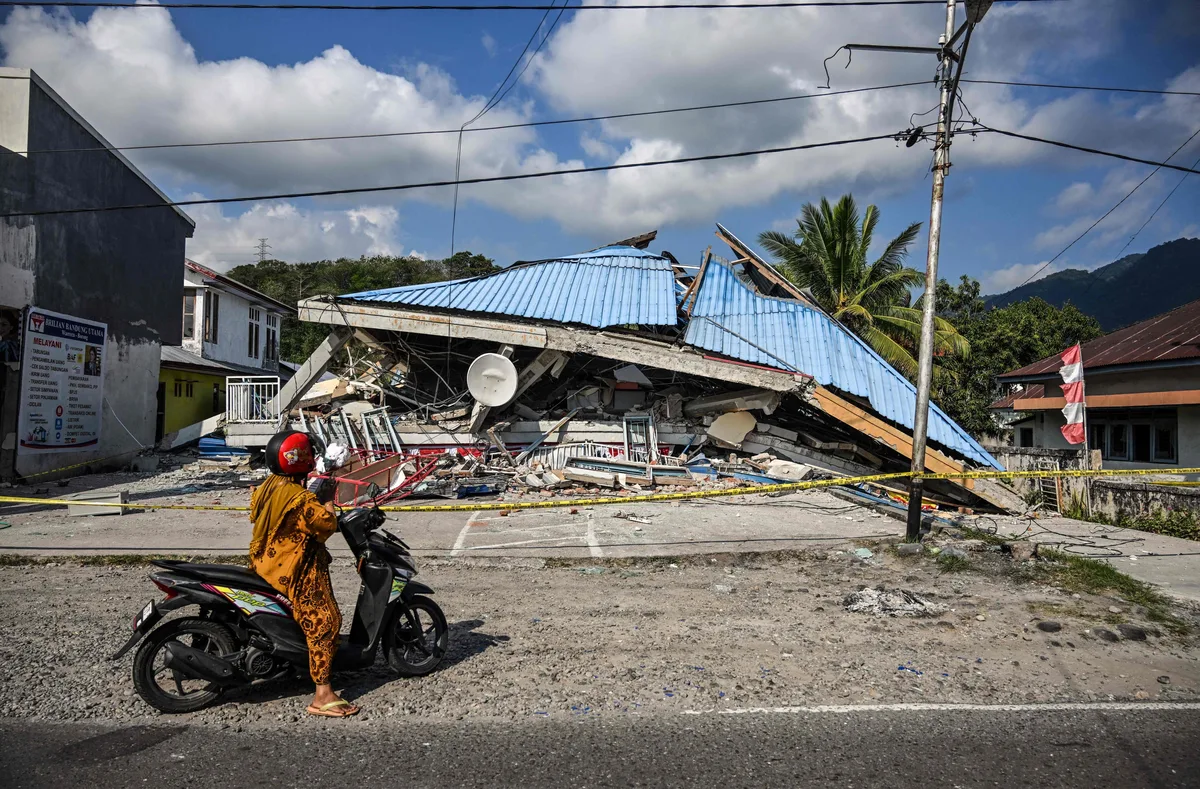
A magnitude 5.9 aftershock hit Flores Island in Indonesia early Monday, adding to the devastation caused by a 7.7 earthquake that struck the region three days earlier [1, 2]. The aftershock depth is reported at around 10 km according to the German Research Centre for Geosciences (GFZ), though the USGS estimates 35 km [3, 2]. Authorities continue search and rescue operations amid ongoing power outages and communication disruptions [1, 2].
The initial 7.7 magnitude quake on August 15 affected six regencies on Flores Island and caused severe destruction across East Nusa Tenggara province [1, 3, 2]. Over 900 homes were destroyed and more than 450 damaged, with at least 241 homes affected in the Flores region alone [1, 2]. The disaster displaced about 6,000 people who have sought refuge in areas including Sikka, Manggarai, and Nagekeo [1, 2].
The death toll from the main quake has risen to at least 53, according to official reports, surpassing earlier figures of more than 35 [1]. The Indonesian government declared a 14-day emergency response status to help coordinate relief efforts [2].
"We have cleared most landslides and reopened roads to previously isolated villages, although communication disruptions and power outages continue to hamper search efforts," said Fathur Rahman, head of the search-and-rescue office in Maumere [1]. Fuel and liquefied petroleum gas supplies have been restored across Flores to support recovery operations [2].
Search teams continued their work on August 16 despite challenges from landslides and damaged infrastructure [1, 2]. The aftershock on August 17 underscores the region’s geological volatility and the ongoing risks for residents and responders [1, 2]. The emergency response period remains in effect as authorities assess further impacts and prioritize relief distribution [2].