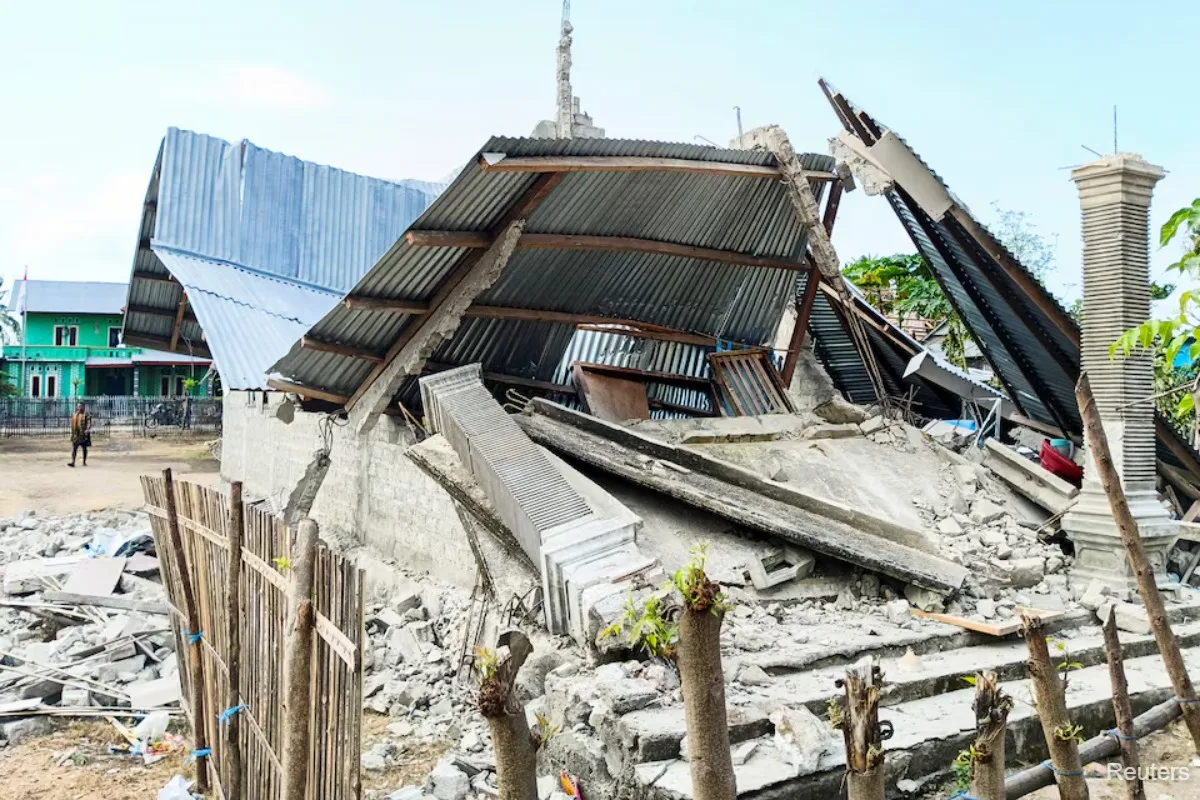
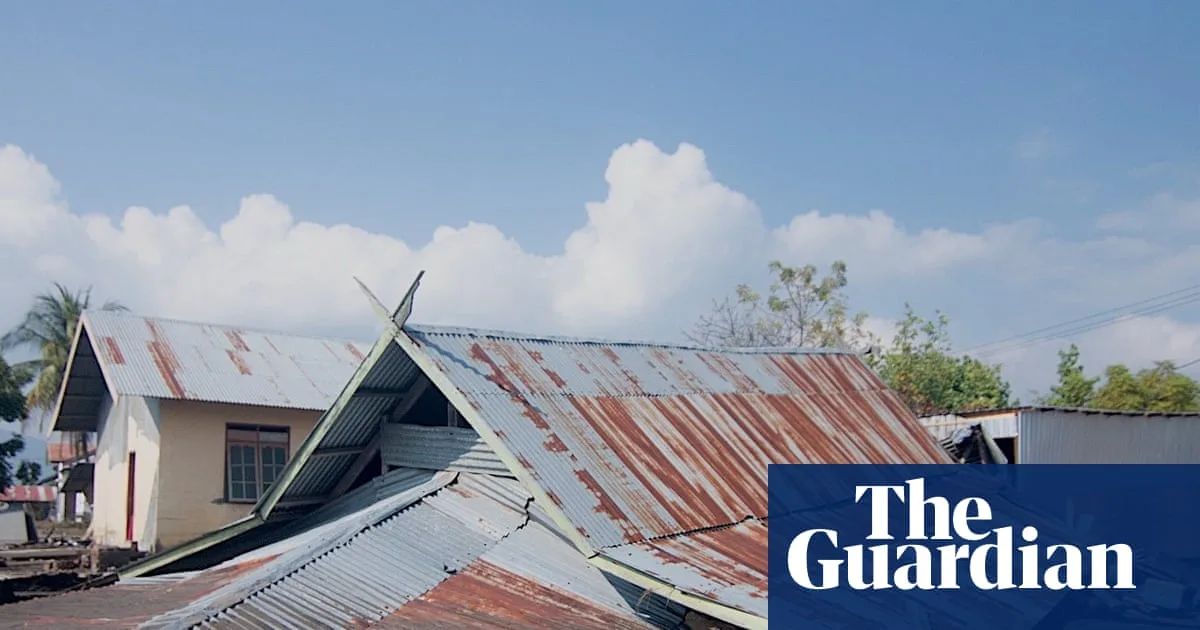
A powerful magnitude 7.7 earthquake hit about 68 km north-northwest of Ende, East Nusa Tenggara province, Indonesia, at 5:58 a.m. local time on August 15, 2026. The quake reached a depth of roughly 10 kilometers, causing severe destruction across multiple regencies including Manggarai, East Manggarai, Sikka, Ngada, Ende, and Nagekeo [1, 2, 3].
At least 68 people have died, a figure revised upward from initial counts of 47 to 51 over the previous days. More than 200 people were injured, including about 36 seriously and 77 with minor injuries [2, 4]. Thousands have been displaced, with approximately 5,000 forced into temporary shelters. In Sikka regency alone, over 3,300 residents fled or took refuge in sports arenas, fearing aftershocks [1, 2, 3, 4].
The earthquake destroyed more than 900 homes and damaged about 450 others across the affected areas. In Nagekeo regency, 157 houses were destroyed and nearly 200 damaged. At least 167 public facilities such as schools, health centers, and churches also sustained damage [1, 3]. The quake triggered landslides that blocked roads including the crucial Trans-Flores Highway, isolating several villages and hampering rescue efforts, especially in Nagekeo [1, 2, 3].
Residents reported terrifying shaking. Anastasia Imad described it as “so intense that my house nearly collapsed” and said they feared aftershocks while sleeping. Nona said, “There were 13 of us inside the house, and we all ran to save ourselves.” Simon Subandi told reporters, “Almost all of Sikka’s residents didn’t dare stay indoors, so they slept on a porch or a tent outside” [1, 3]. Abdul Mutas recalled fleeing as tides rose, saying, “I only brought my body.”
Authorities have recorded at least 341 aftershocks, with nearly 1,600 shaking East Nusa Tenggara through August 17. Power outages affected about 20 petrol stations and other infrastructure. More than 3,500 military and police officers have been deployed to assist rescue operations and secure affected areas [2, 4]. Helicopters and vessels are being used to distribute food, water, blankets, and medicine to those stranded or displaced [1, 3].
This earthquake is Indonesia’s deadliest since a 2022 quake in West Java. Rescue teams continue to face challenges from blocked roads, landslides, and disrupted communications in remote areas. Relief efforts are ongoing as aftershocks persist.
Authorities continue monitoring seismic activity, with aftershock risk expected to remain high in the coming days [4].