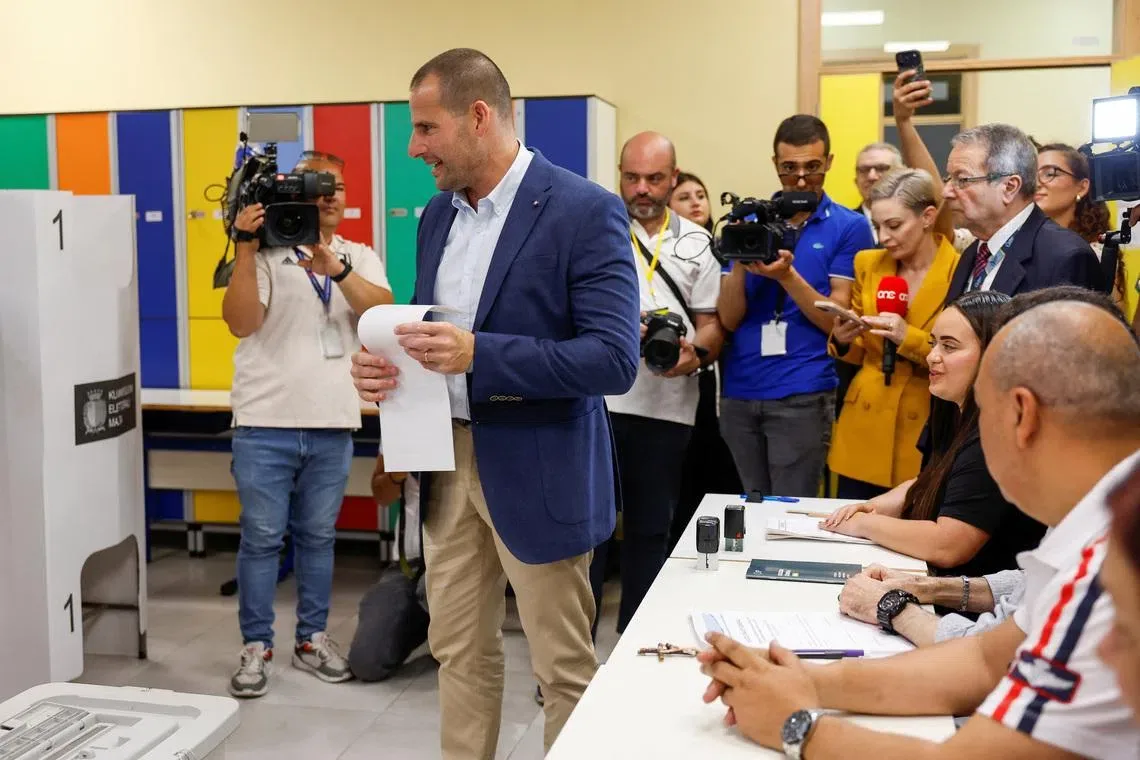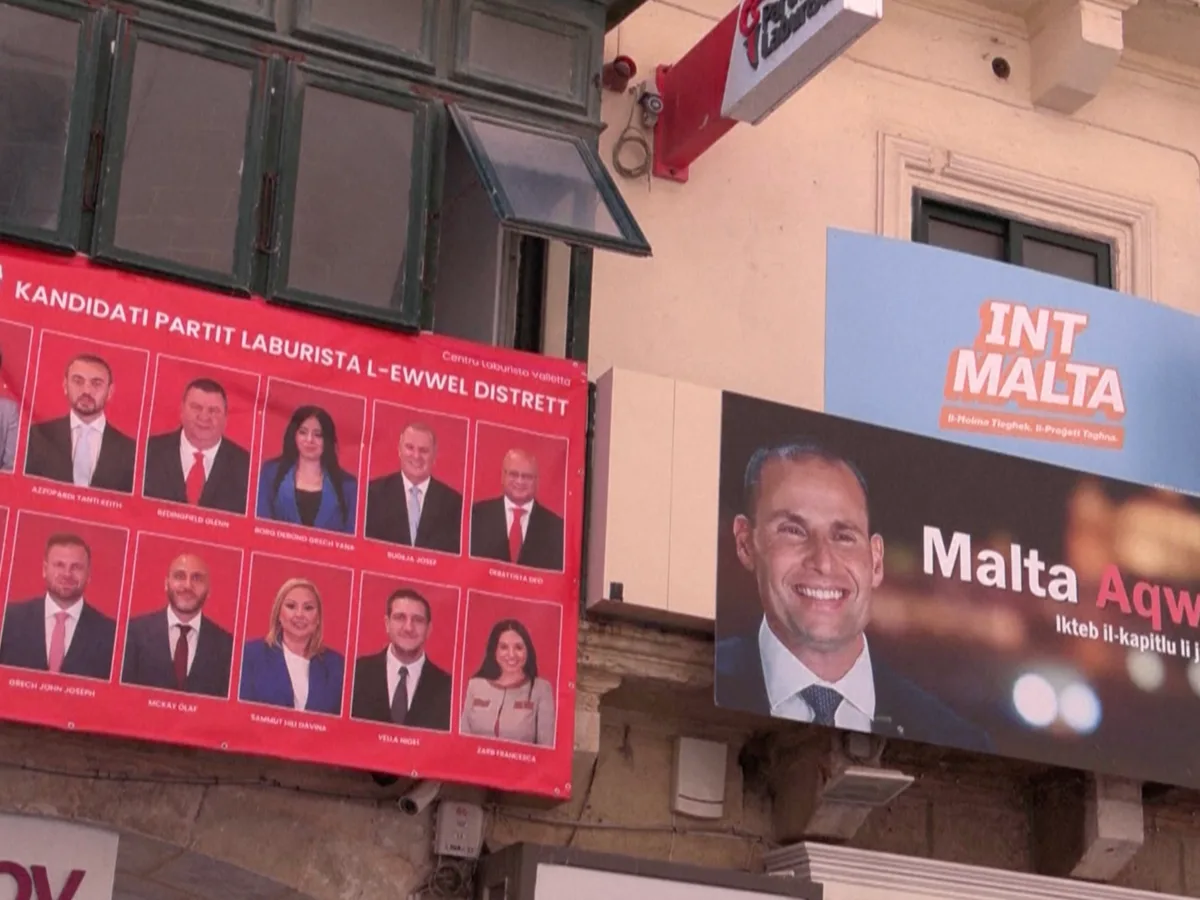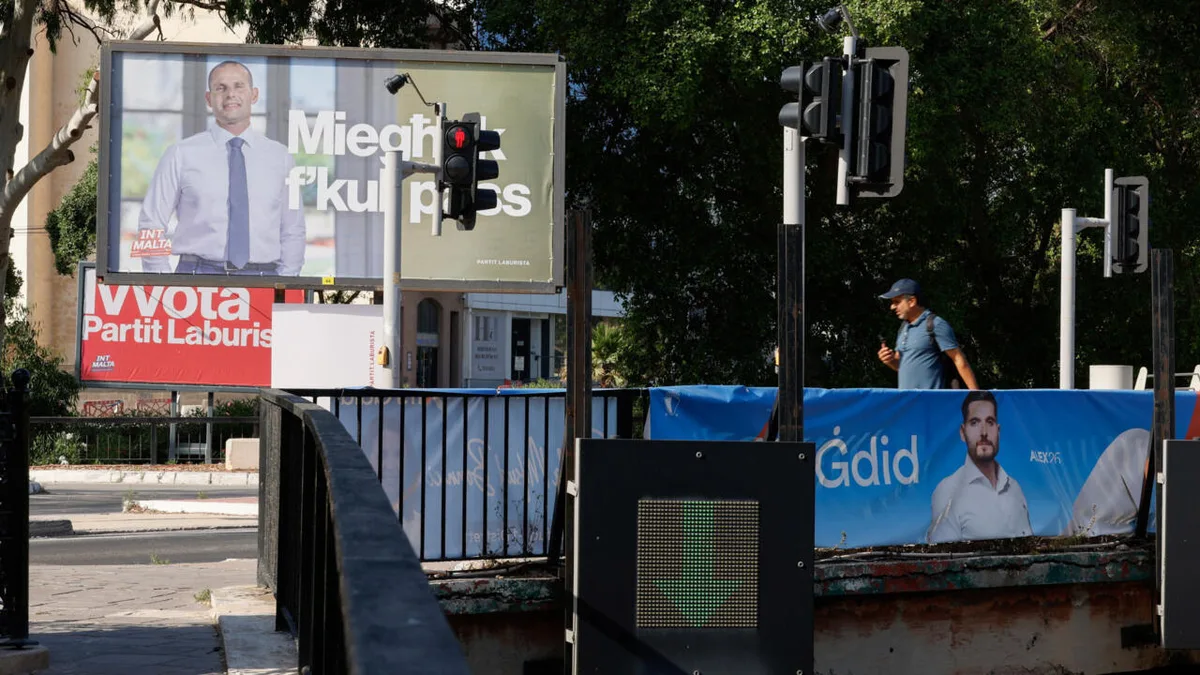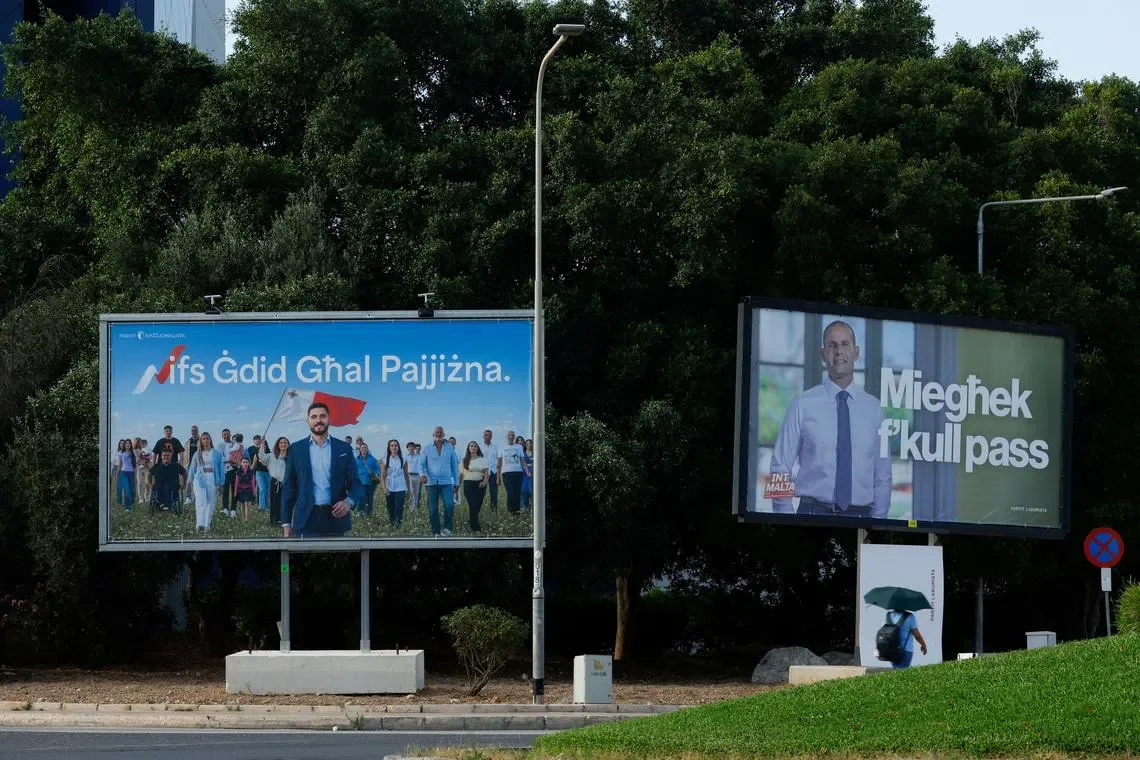
Malta held snap parliamentary elections on May 30, 2026, called a year early by Prime Minister Robert Abela amid geopolitical uncertainties linked to the Middle East conflict [1, 2, 3, 4, 5]. The ruling Labour Party, favored in opinion polls to secure a fourth consecutive term, faced the centrist Nationalist Party led by 30-year-old Alex Borg, a lawyer and former 'Mr World Malta' pageant winner [1, 6, 2, 3, 4, 5, 7, 8, 9].
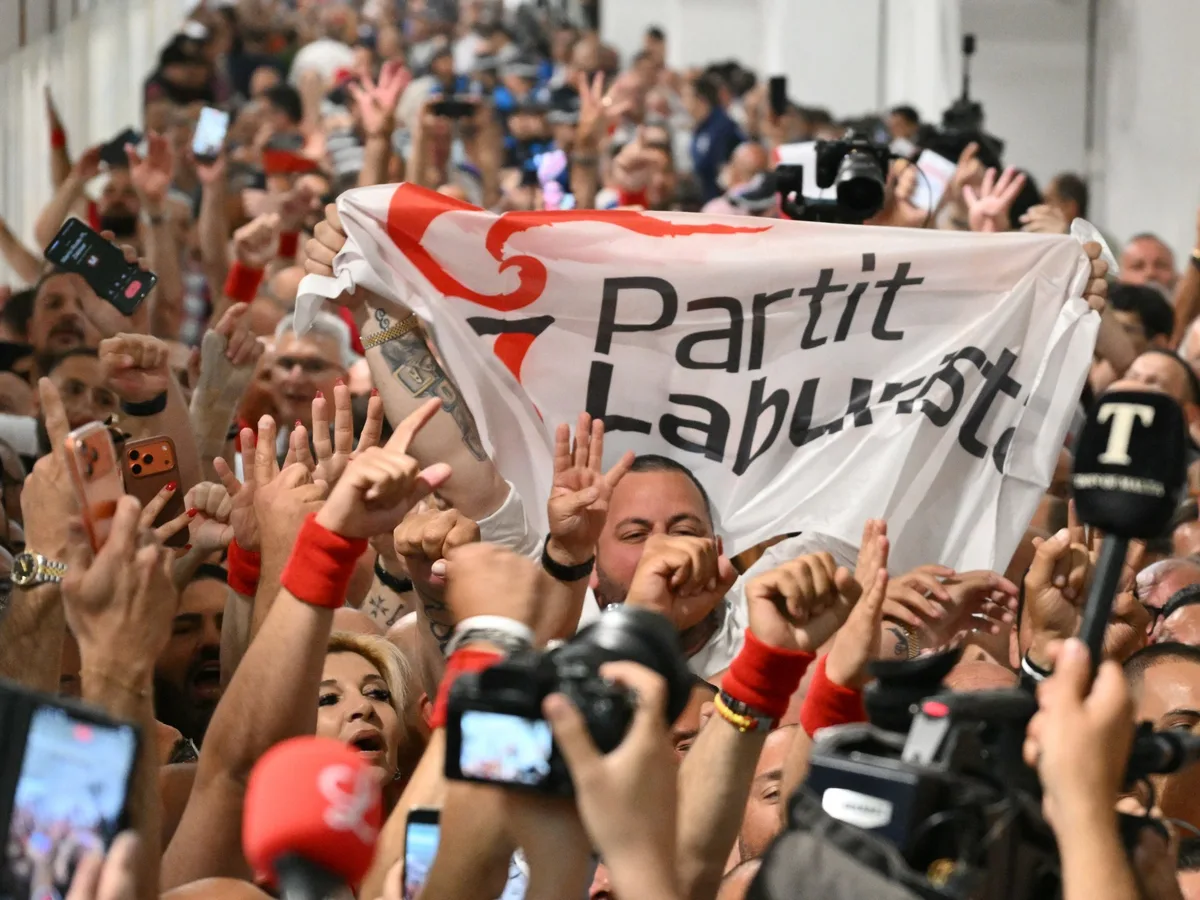
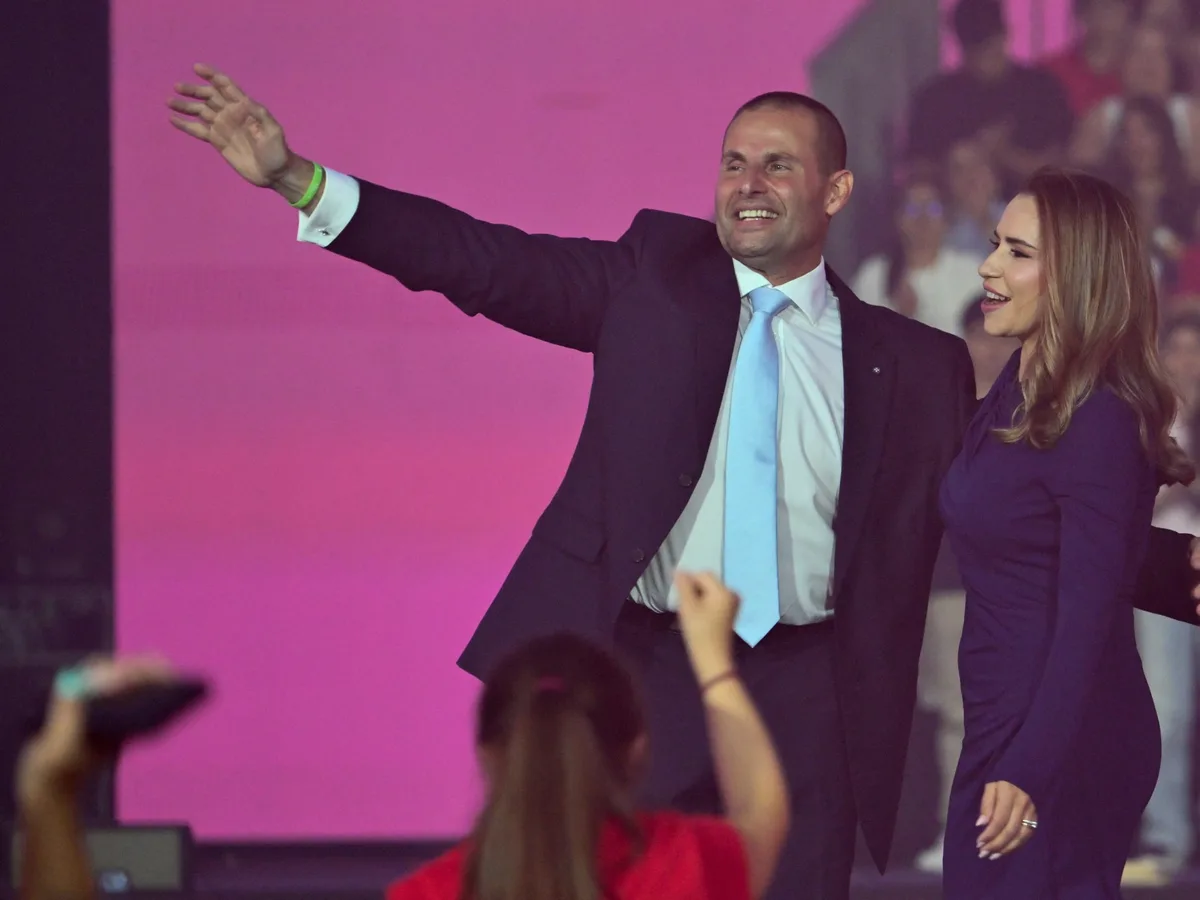
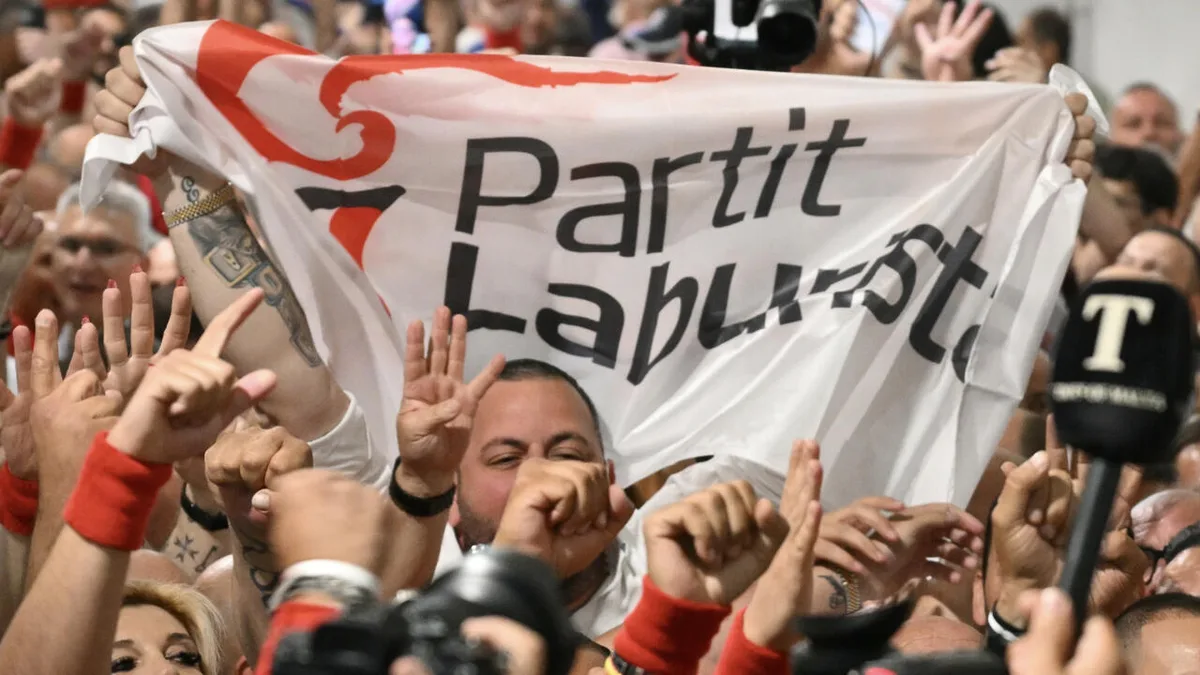
Voter turnout reached 87.4%, slightly higher than in the 2022 election [6, 7, 10, 11]. Preliminary results announced on May 31 showed the Labour Party winning a comfortable parliamentary majority, though some sources indicated a narrower margin than in 2022 [6, 7, 8, 9, 10, 11]. One source reported Labour secured approximately 52% of the vote against the Nationalist Party's 45% [12]. Labour leader Robert Abela said, "This is a victory of all the people based on the programme we presented for all the people" and called to "maintain the spirit of national unity and move the country forward together" [6].
The Nationalist Party conceded but said it had managed to reduce Labour's majority, according to party General Secretary Charles Bonello [6]. Opposition leader Alex Borg urged Maltese voters to support change [9]. Labour supporters expressed enthusiasm, with Margaret Camilleri saying she was "thrilled they've made history" after voting Labour since childhood [8].
Abela has led the Labour Party since 2020, succeeding Joseph Muscat who resigned during the political crisis following the 2017 murder of journalist Daphne Caruana Galizia [6, 4, 7, 8, 9]. Malta, the smallest and most densely populated EU country with roughly 550,000 people in 316 square kilometers, has seen steady economic growth of 4% in 2025, low inflation, and virtually full employment [1, 2, 3, 7, 8, 9, 12]. The election campaign focused on Malta's economic strength and stability amid global inflation and energy concerns linked to the Middle East conflict [1, 2, 4, 7, 8, 9]. Other election issues included rising rents, overcrowding, pressures on health services, a construction boom, and corruption concerns, though corruption was not a major campaign topic [1, 3, 4, 7, 8, 9].
Preliminary official results on May 31 confirmed Labour's win and a record fourth consecutive term, with Abela stating, "Today, we have written a new chapter in history together" [12]. Robert Abela is expected to be sworn in for the new term on June 1, 2026 [6, 10, 11].