A 21-foot skiff ran out of fuel between Petersburg and Juneau, Alaska, on August 3, 2026, and called the US Coast Guard for help around 9:30 p.m. local time [1, 2, 3]. The Coast Guard determined the vessel was not in distress and issued a voluntary marine assistance request [4, 1, 2].
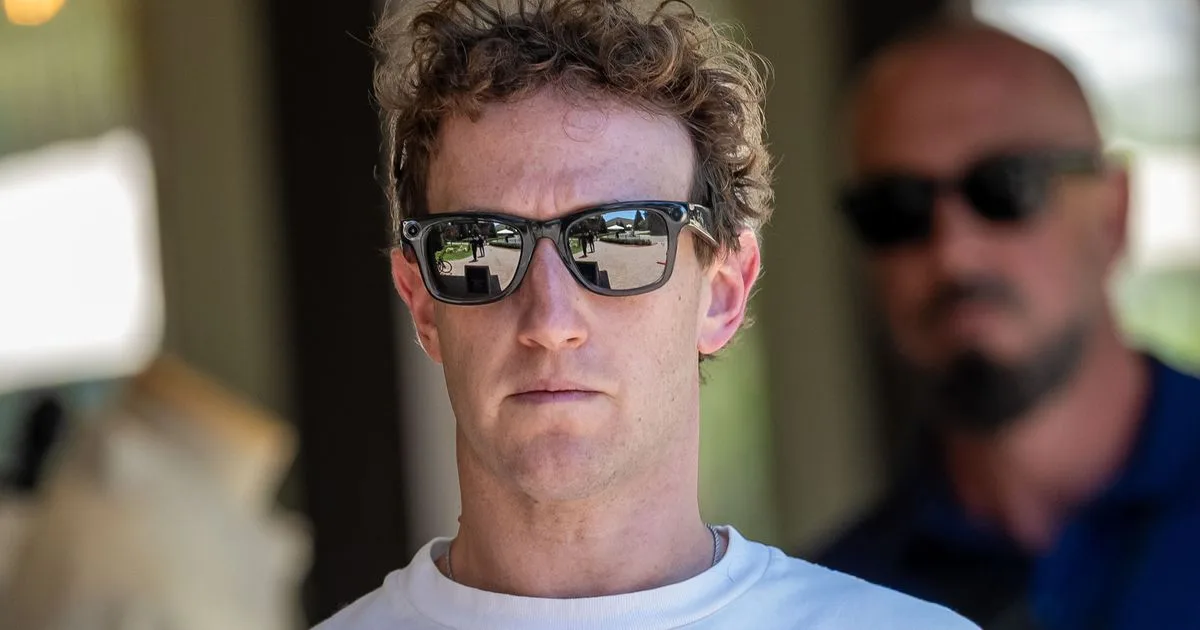
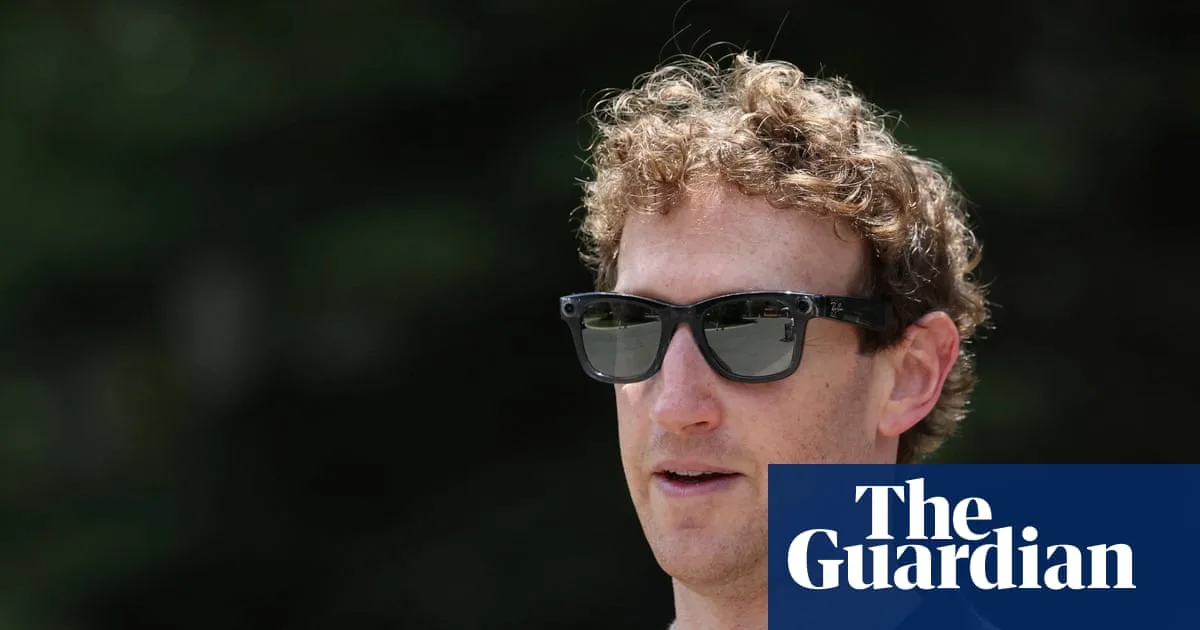
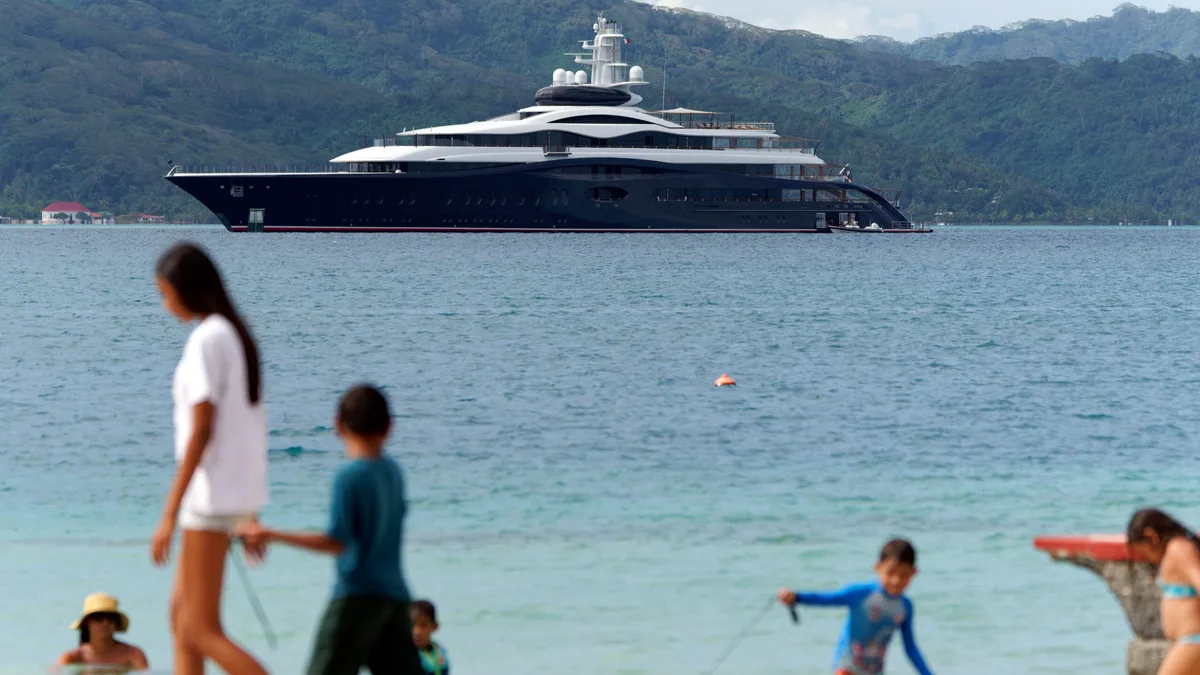
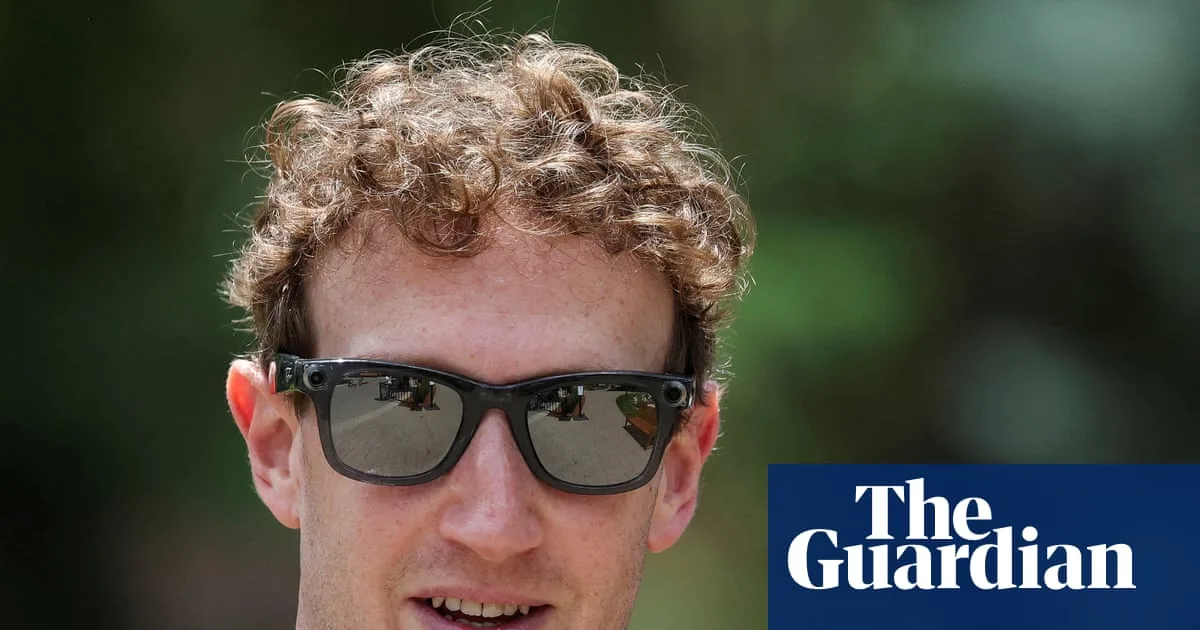
The $300 million, 387-foot yacht Launchpad, owned by Mark Zuckerberg, was closer to the stranded skiff than the responding small cruise ship Wilderness Legacy operated by UnCruise Adventures [5, 6, 1, 2]. Despite this, Wilderness Legacy responded to the call, towed the skiff to Farragut Bay, and refueled it [5, 4, 1, 2].
Passengers aboard Wilderness Legacy reacted negatively after their captain announced that Zuckerberg’s yacht had been closer but had not assisted. Michael Love, a passenger, said, "There was near unanimous booing when the captain announced this." He added, "Frankly, if I was Mark Zuckerberg I would be absolutely ecstatic at a chance to do something helpful for someone in need and maybe get some good PR out of it." Following the announcement, the passengers erupted in "near-unanimous booing" [5, 6, 7, 2].
Zuckerberg and his family were not on board Launchpad during the incident [5, 4, 7, 2]. The yacht crew did not hear the call for assistance because it was on a different radio channel than the one they were monitoring. By the time the crew became aware of the situation, the Wilderness Legacy was already assisting the skiff [5, 4, 7, 2].
Under maritime law, vessels are generally required to respond to distress calls, but since the Coast Guard found the skiff was not officially in distress, aid was voluntary in this case [1, 7].
The skiff had issued its call near Point Highland, Alaska, at 9:32 p.m., with the Coast Guard releasing a voluntary assistance request 24 minutes later. Wilderness Legacy responded the same evening [1, 2, 5].
Zuckerberg’s yacht Launchpad remains in the vicinity of southern Alaska waters. The Coast Guard continues monitoring marine radio channels for safety notifications in the area.