A measles outbreak in Bangladesh has killed more than 500 children since mid-March 2026, with the death toll reaching 528 by May 24 [1, 2, 3, 4, 5, 6]. Most of the affected children are aged between six months and five years [1, 2, 3, 4].
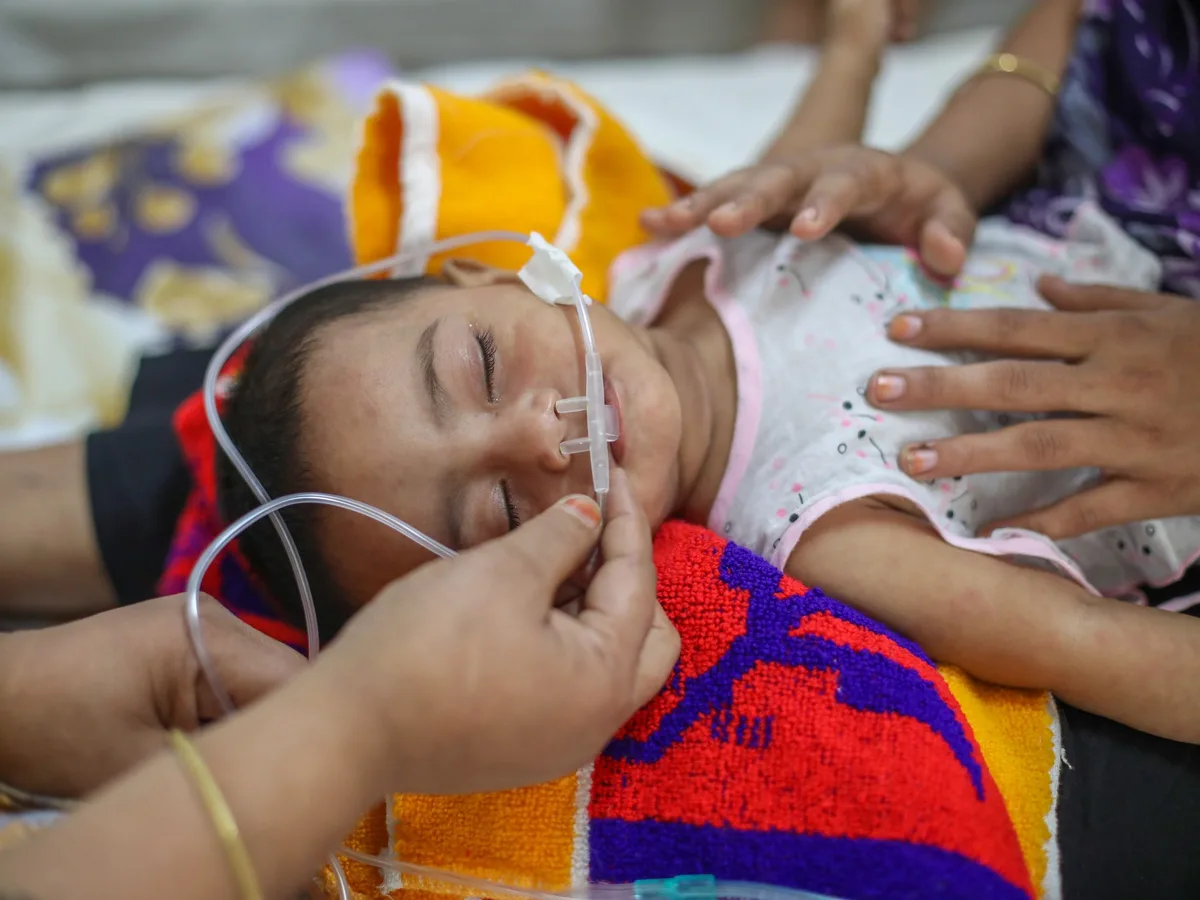
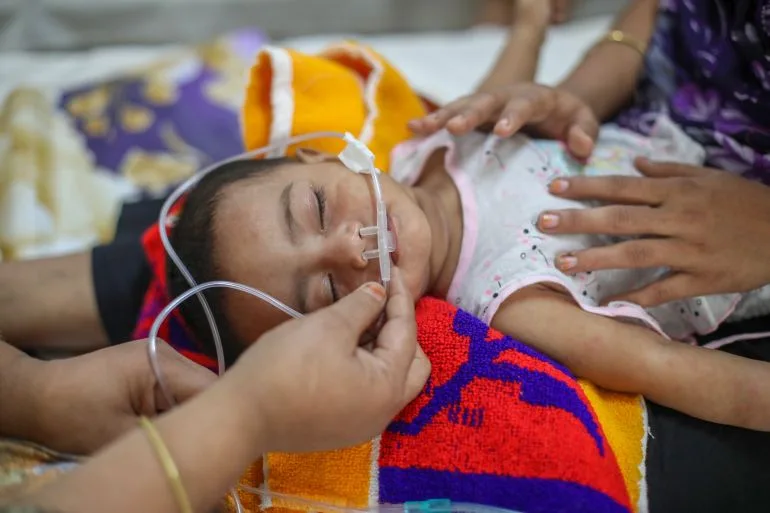
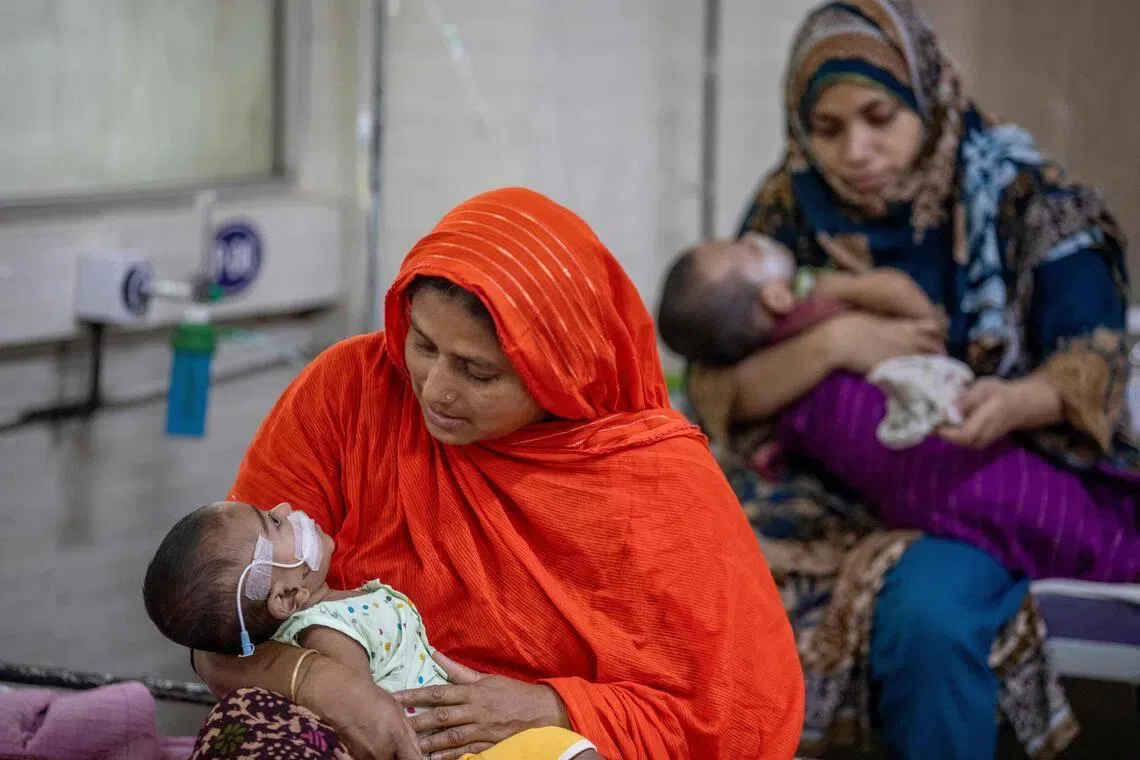
Hospitals in the capital Dhaka are overwhelmed, struggling with limited intensive care beds despite setting up dedicated wards for measles patients [1, 2, 3, 4]. Dr. Ainul Islam Khan, a paediatrician, said many children arrive critically ill with respiratory distress and infections in the eyes, throat, and lungs. He added, "Though measles is highly contagious, a healthy baby with no complications can survive with minimal medication. Here, most children came to the hospital with respiratory distress and infections in the eyes, throat and lungs" [1].
Many of the deaths involve malnourished children from low-income families who missed routine vaccinations or have weakened immunity [1, 2, 3, 4, 5, 6]. Measles is highly contagious with no specific treatment, and complications include brain swelling and severe respiratory problems [1, 2, 3, 4, 5, 6].
Bangladesh’s health officials started recording measles-linked deaths on March 15, 2026, amid a growing outbreak [1, 2, 3, 4, 5, 6]. UNICEF reported on May 20 that immunisation gaps worsened by a 2024 uprising that toppled the government contributed to vaccine shortages and delays, leaving many children unprotected [1, 2, 3, 4]. The 2024 unrest disrupted routine immunisation programs nationwide [1, 2, 3, 4, 5, 6].
By May 22, total suspected infections exceeded 68,800 with nearly 499 deaths reported. Two days later the death toll rose to 528, with over 72,400 infections recorded since mid-March [5, 6]. Between May 23 and 24 alone, 16 children died from measles or measles-like symptoms, with 1,434 new infections reported [6]. Confirmed measles deaths stood at 86, while the rest were suspected cases [6].
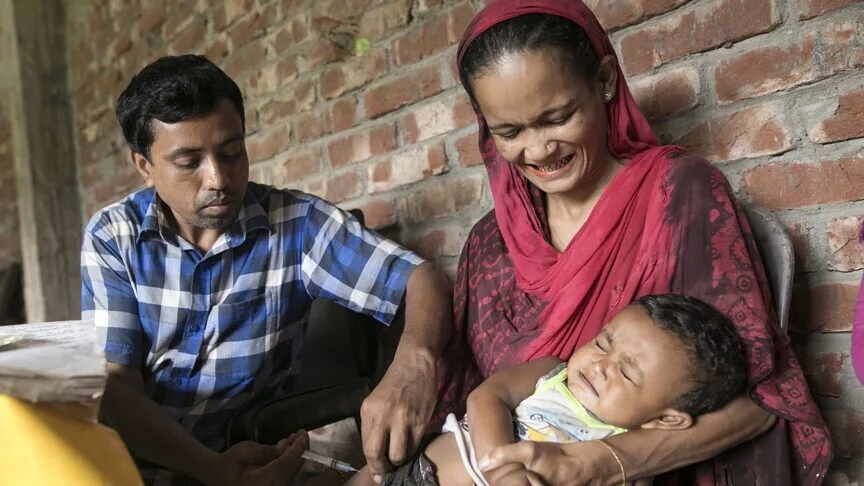
To curb the outbreak, the Bangladesh government launched a mass vaccination campaign aiming to inoculate 18 million children. UNICEF country chief Rana Flowers said, "The campaign has now reached 18 million children. We need to boost vaccination programmes and increase funding for health facilities, surveillance and data systems in the future" [1, 2, 3, 4, 5, 6].
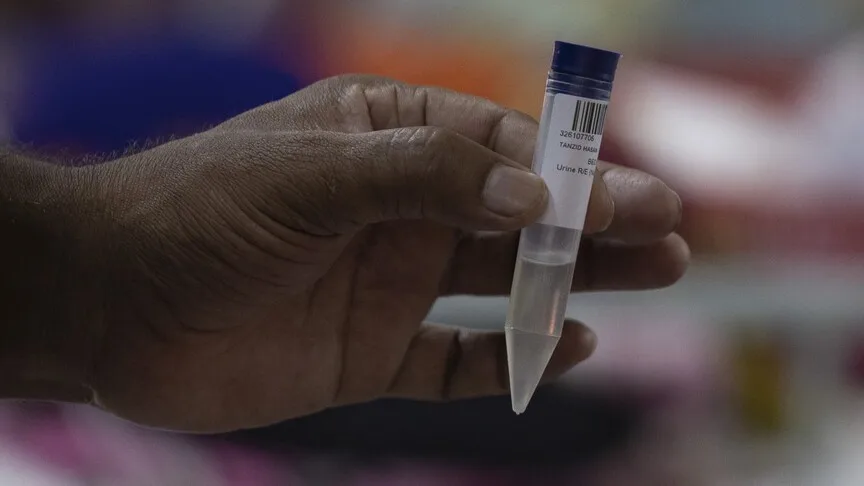
Bangladesh continues to face challenges confirming infections quickly due to shortages of testing kits, complicating response efforts [5, 6]. The population at risk totals around 175 million people [4, 5, 6].
Health authorities continue expanding vaccination coverage and strengthening hospital care to manage new cases as the outbreak evolves.